













Questionnaire

Get client input, collect project details, and set expectations ahead of—or during—any project.


“
”

October 11, 2026

Best practices for using offboarding guide templates
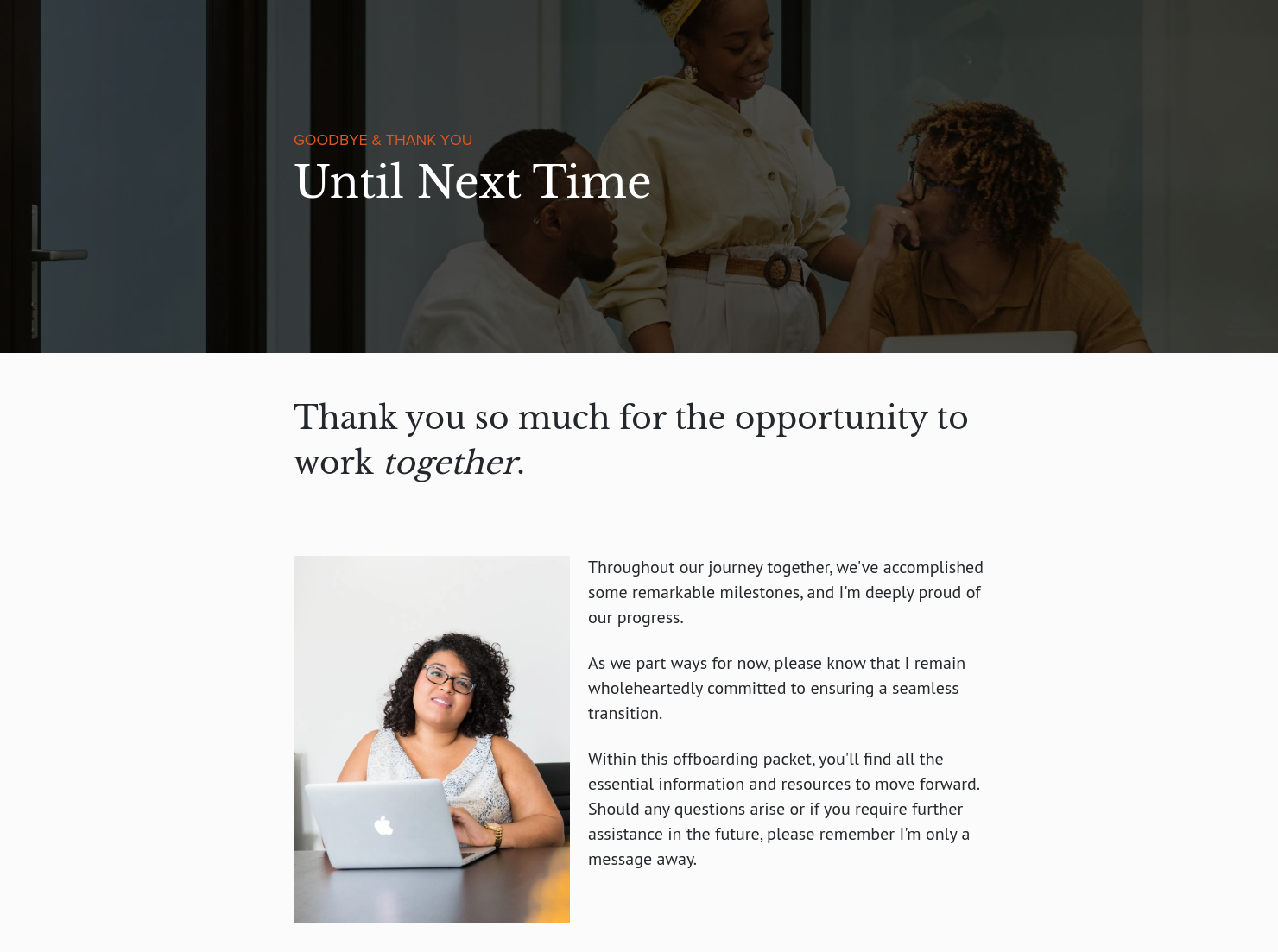
An offboarding guide helps independent professionals wrap up a project with clarity and professionalism. It summarizes completed work, shares final deliverables, collects feedback, and outlines next steps so projects end on a positive, organized note.
For independent professionals, the final stage of a project is just as important as the first. A clear offboarding guide helps ensure that projects wrap up smoothly, deliverables are shared properly, and clients know what to expect after the work is complete.
Without a structured offboarding process, important steps can be missed. An offboarding checklist helps businesses:
- Confirm final deliverables and project outcomes
- Collect valuable client feedback
- Request testimonials or referrals
- Share next steps or future service options
- Maintain a professional client experience through the final interaction
Whether used for client offboarding or adapted from an employee offboarding checklist, a structured guide helps service providers close projects confidently while strengthening client relationships.
A well-structured offboarding guide helps ensure that both the business and the client clearly understand how a project concludes. A thoughtful offboarding checklist keeps the final steps organized, prevents missed tasks, and helps maintain a positive client experience even after the work is finished.
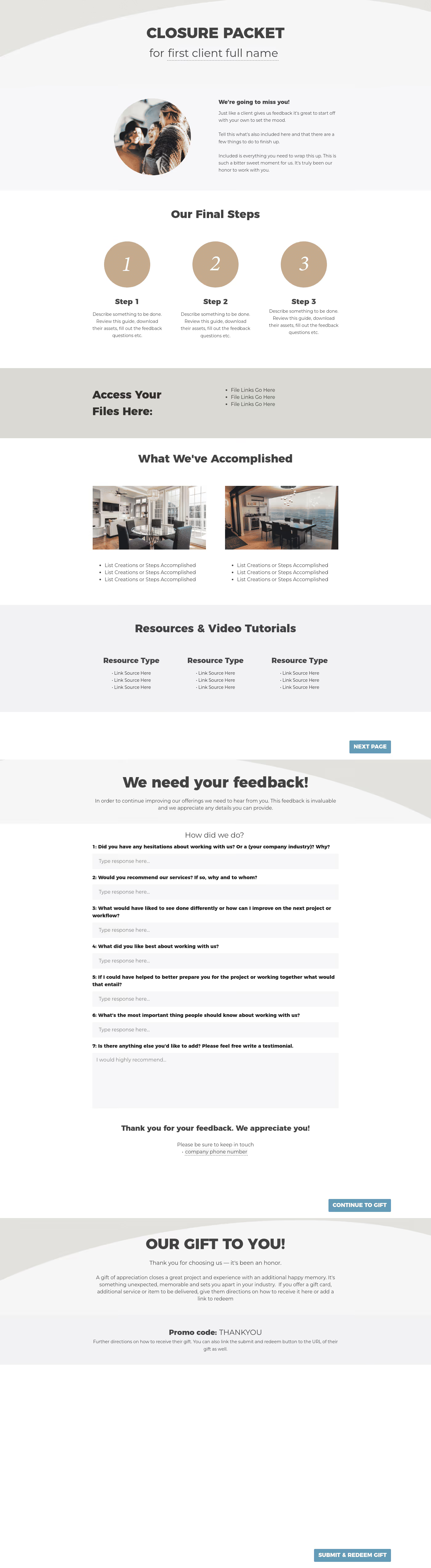
Core elements of a professional offboarding guide typically include:
- Business and client information for clear project records
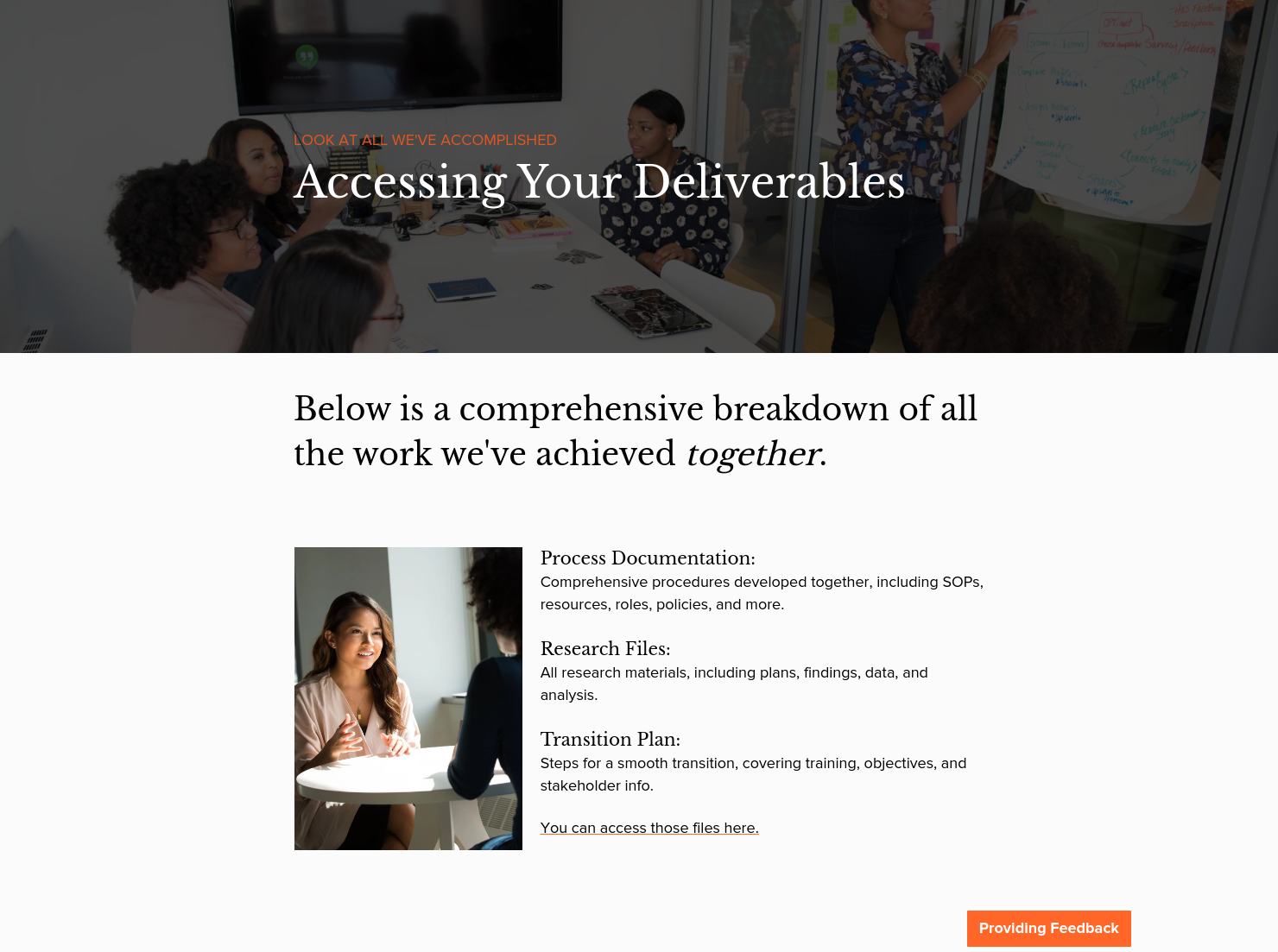
- Summary of project deliverables and completed work
- Access to final files, assets, or documentation
- Final invoice or payment instructions
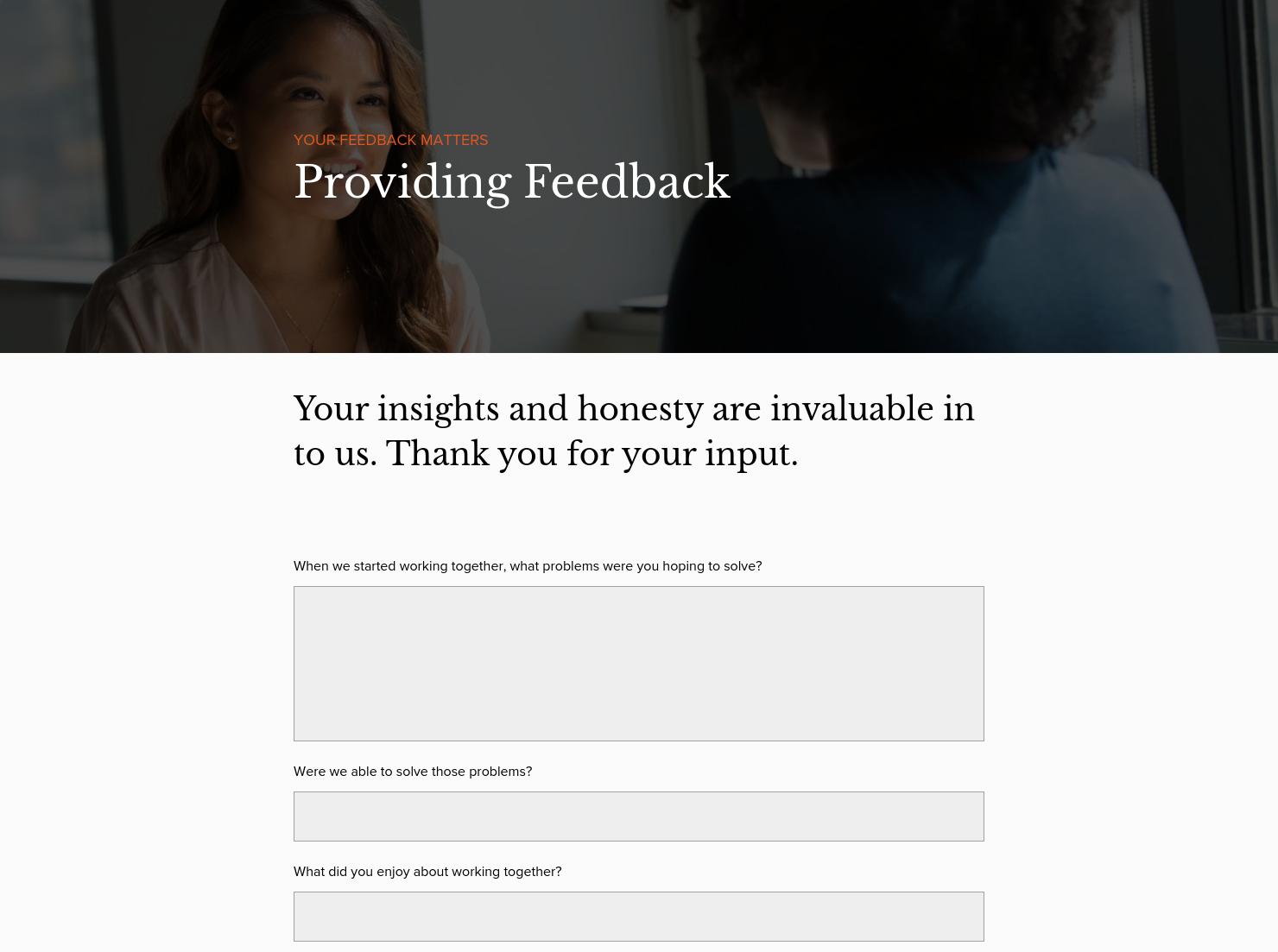
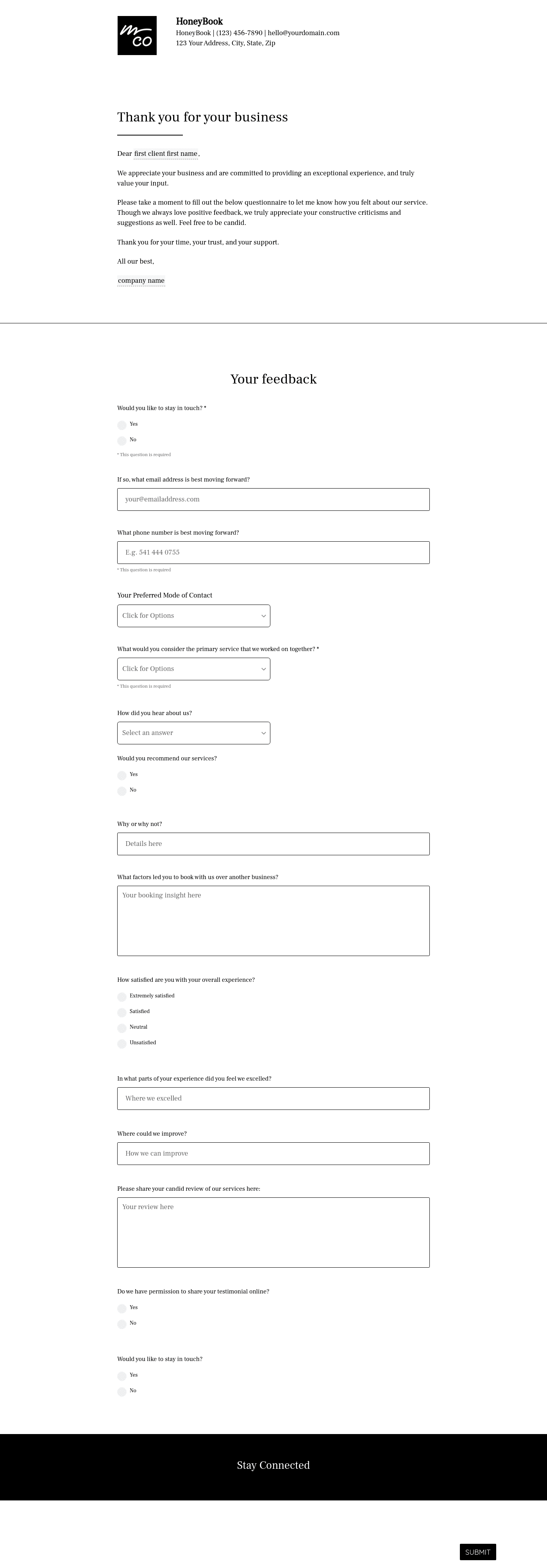
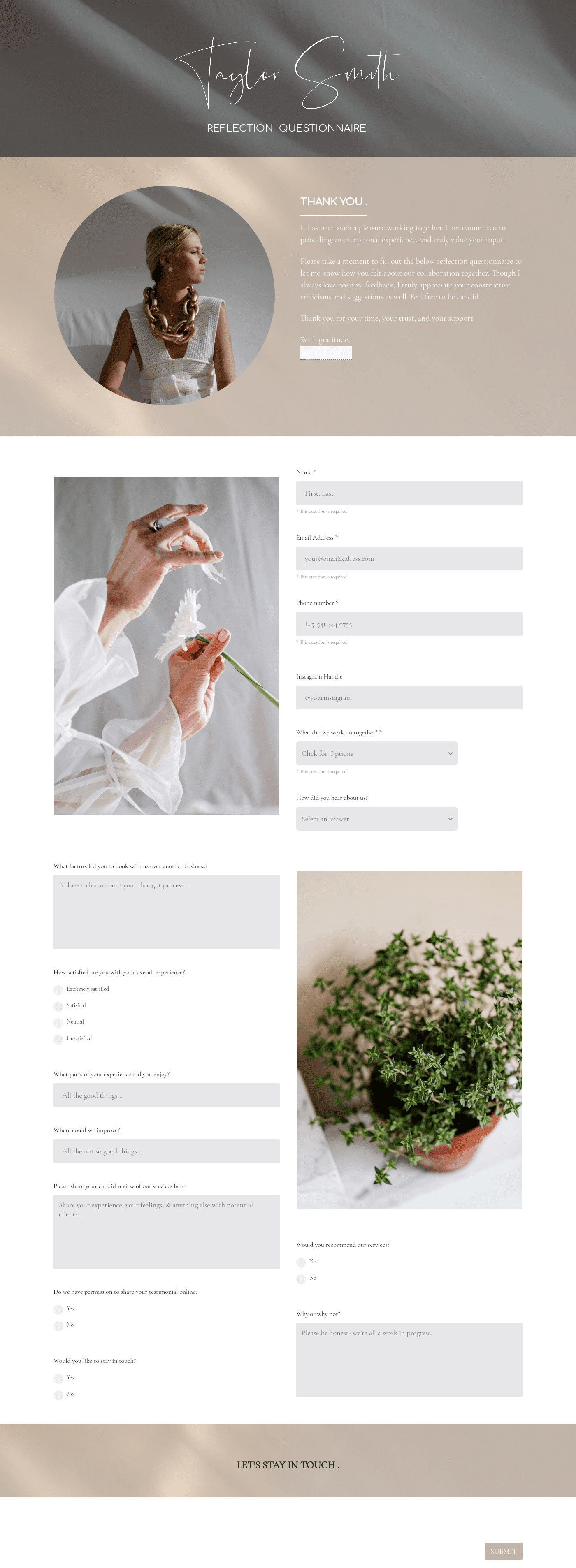
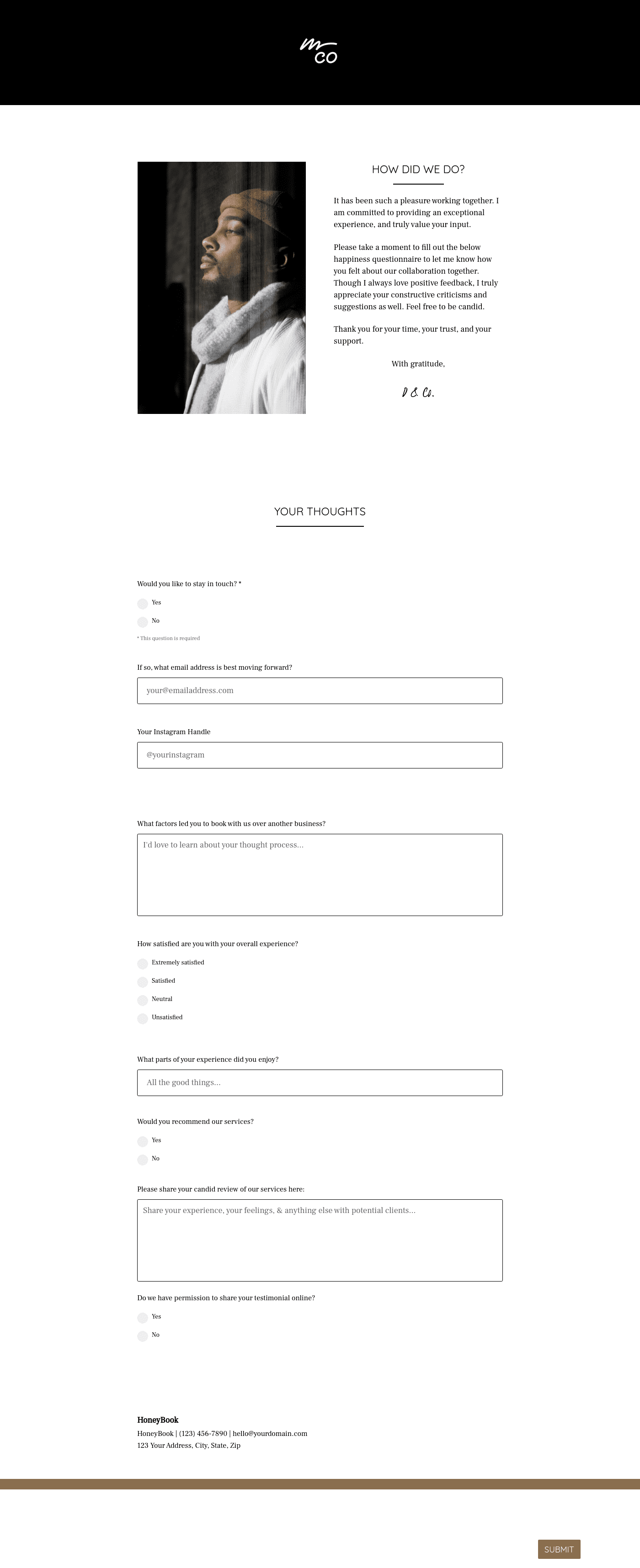
- Feedback questionnaires or surveys
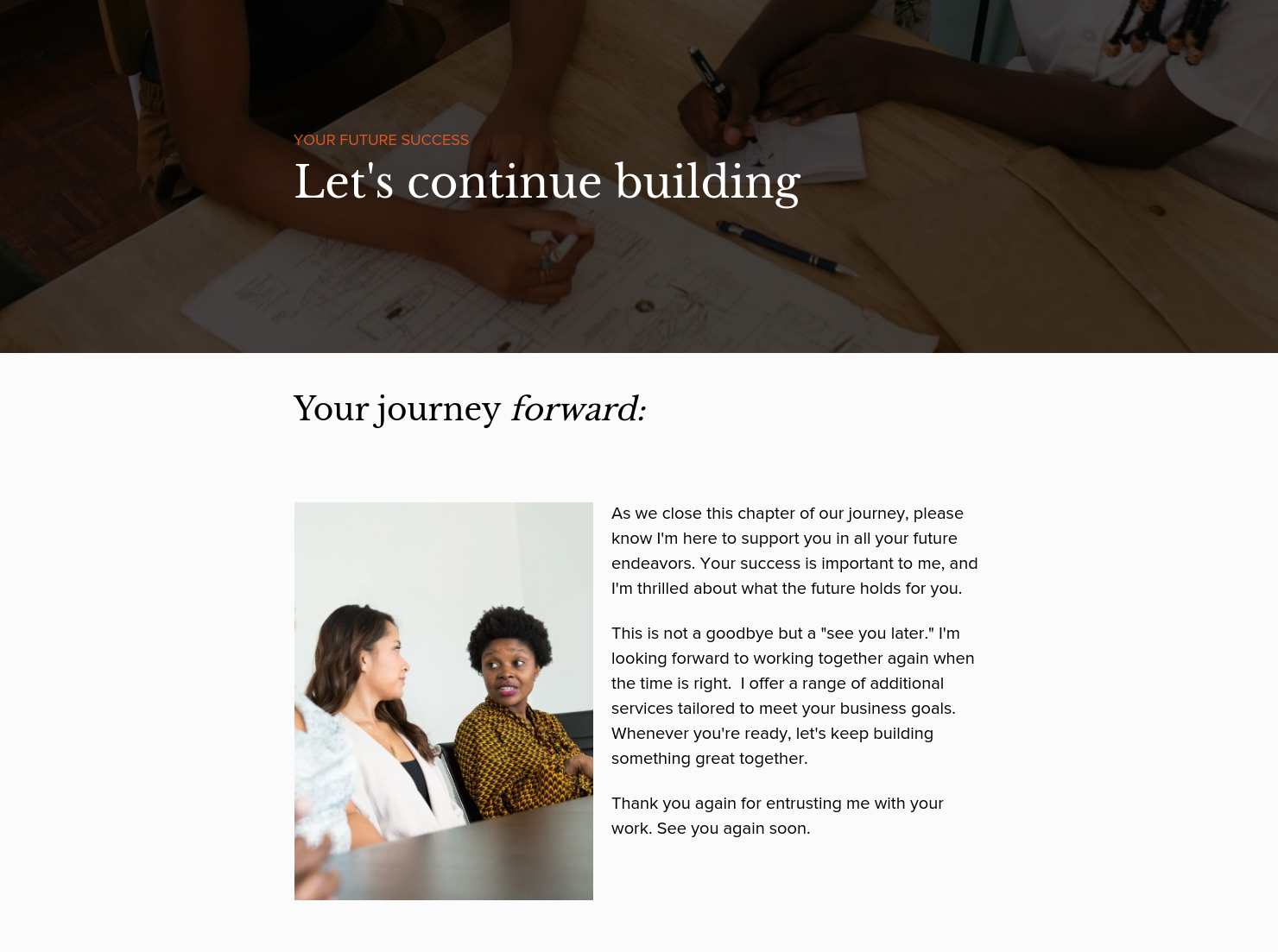
- Next steps or opportunities for future work
By bringing these elements together into a single offboarding guide template, businesses can wrap up projects in a structured, professional way while maintaining strong client relationships.
For independent professionals, an effective offboarding guide should be clear, organized, and easy for clients to navigate. The goal is to wrap up a project thoughtfully and professionally while ensuring clients know exactly what happens next.
A strong offboarding guide walks clients through the final stage of a project step by step. It may include deliverables, payment reminders, and a feedback questionnaire. When these elements appear in one offboarding checklist, clients can review everything without searching through emails or multiple documents.
Customization also plays an important role. Businesses can personalize their offboarding guide template with their branding, tone, and service details to reflect their overall client experience. When done well, an offboarding guide helps reinforce trust, encourage testimonials, and create opportunities for future collaboration.
An offboarding guide template is most useful when a project is coming to a close, and both the business and the client need a clear, organized way to wrap up the work. Instead of managing final deliverables, feedback requests, and follow-up communication across multiple emails or documents, a structured offboarding guide brings everything together in one place.
This template can be especially helpful when:
- Completing a client project and sharing final deliverables
- Requesting feedback or testimonials from clients
- Sending final invoices or confirming that payments are complete
- Summarizing project outcomes or key results
- Outlining next steps or opportunities for future collaboration
Using an offboarding checklist helps independent professionals close projects smoothly and leave clients with a clear, positive final experience.
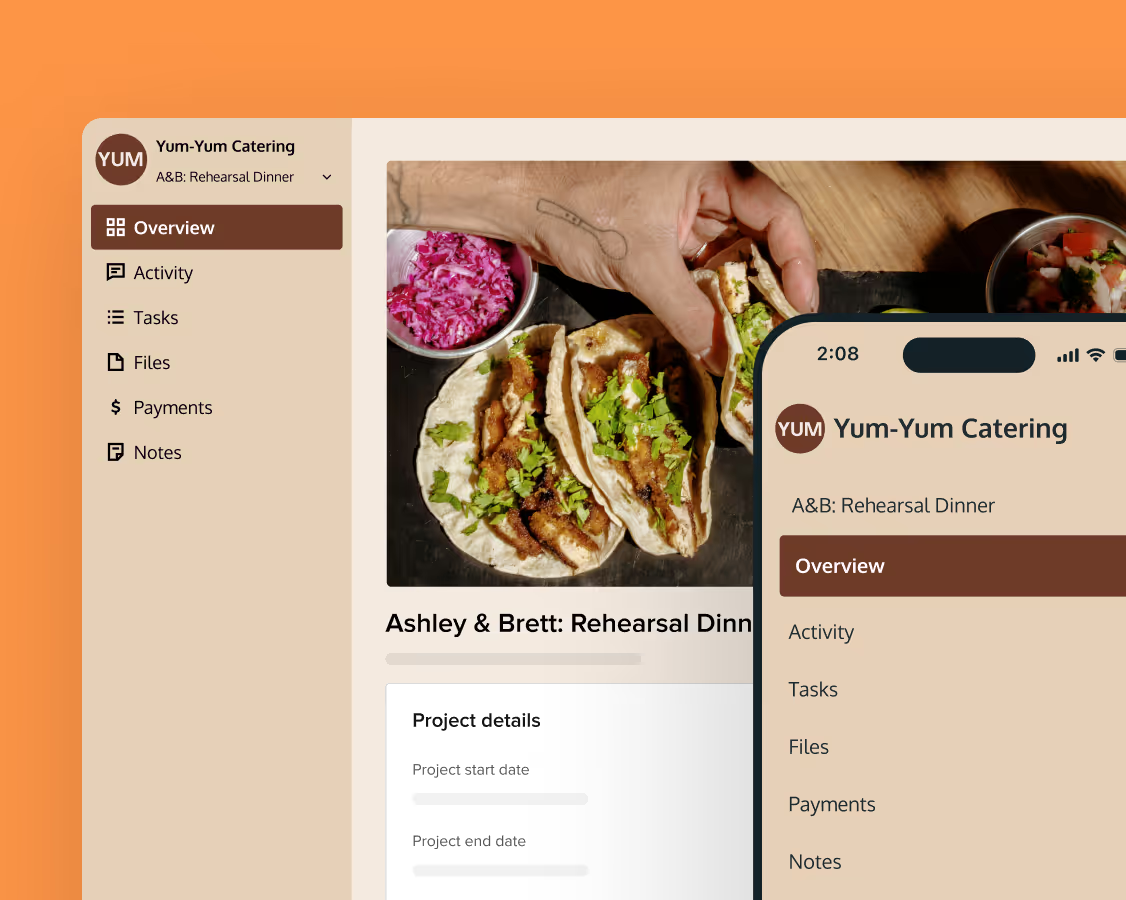
Catering has a lot of moving parts, and the menu sits in the center. If your catering menu is scattered across emails, texts, and screenshots, mistakes show up at the worst time.
A structured menu template helps in practical ways.
- Builds client trust and a professional first impression.
- Speeds approvals by making choices simple.
- Reduces payment disputes by documenting totals and terms.
- Saves time by cutting back and forth.
That means fewer surprises for clients and fewer fire drills for you.
FAQs
Below are quick answers to common questions from caterers building a catering menu that clients can approve with confidence.
An offboarding guide is a document used at the end of a project to help wrap up the client relationship in a clear and organized way. It can include final deliverables, project summaries, feedback requests, and next steps to ensure both parties close the project with clarity.
A structured offboarding process helps businesses maintain professionalism and leave a positive final impression. Whether it’s client offboarding or employee offboarding, clear documentation and communication help reduce confusion, gather useful feedback, and strengthen long-term relationships.
HoneyBook templates are designed to streamline the steps from inquiry to booking, so businesses can deliver a professional client experience while saving time on repetitive tasks. By organizing documents, communication, and workflows in one place, templates help independent professionals stay organized and focus more on their work and clients. Learn more about HoneyBook files and templates.
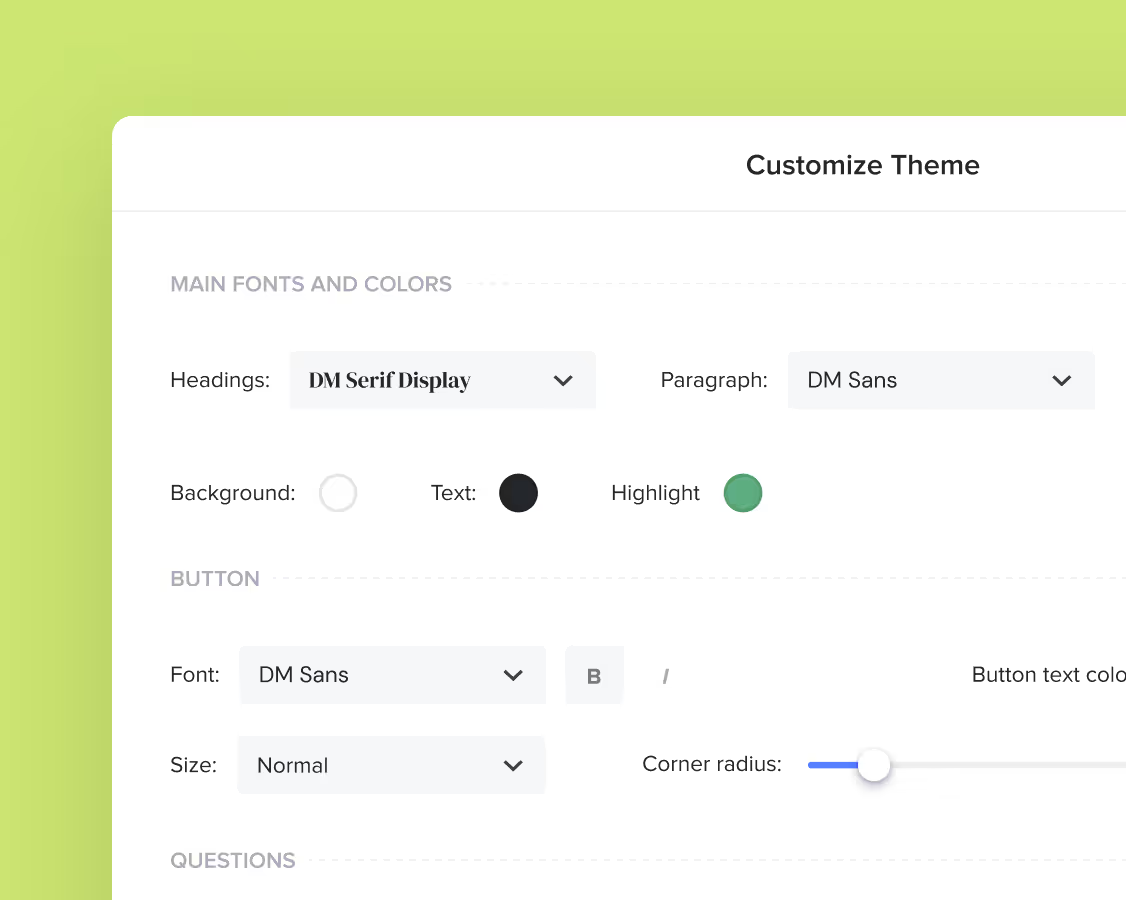
Yes. HoneyBook templates can be customized to reflect a business’s brand and workflow. Users can adjust fonts, colors, images, pricing tables, contract language, and messaging so each template aligns with their visual identity and client experience.
Yes. With the HoneyBook mobile app, users can create, customize, send, and manage templates and Smart Files from anywhere. This makes it easier to respond to inquiries, share documents, and keep projects moving, whether working from a desk or on the go.
Related templates
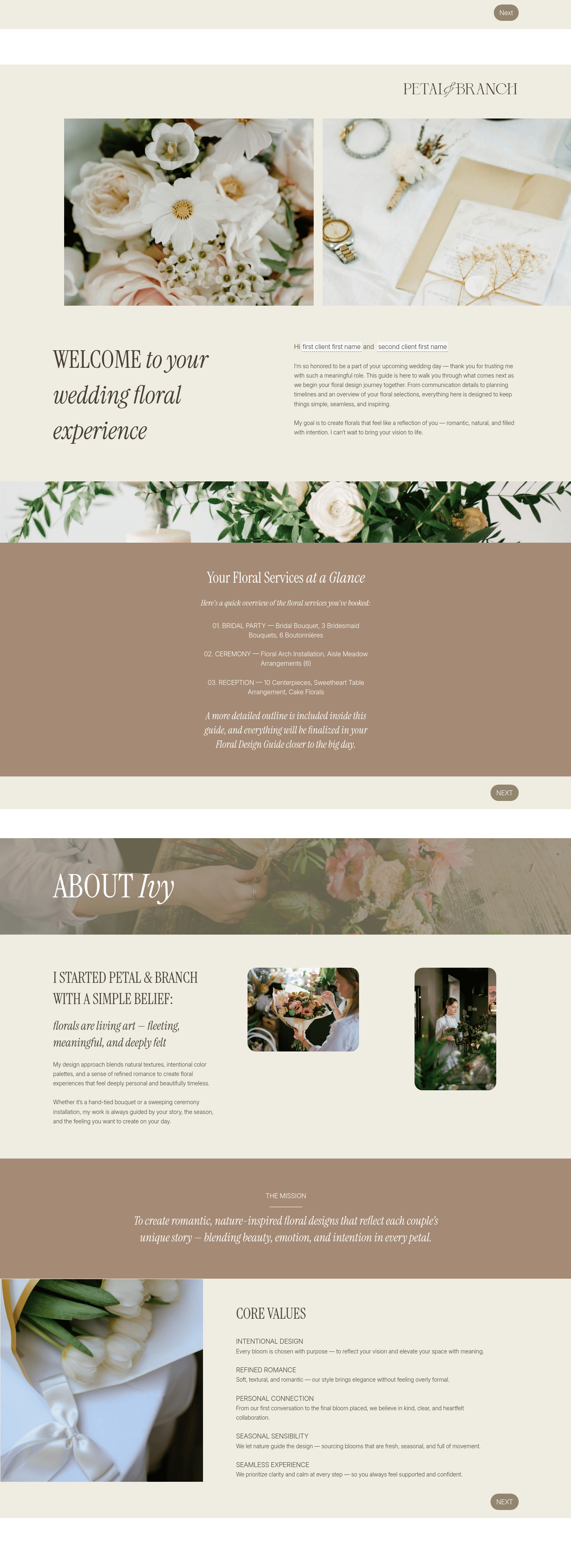
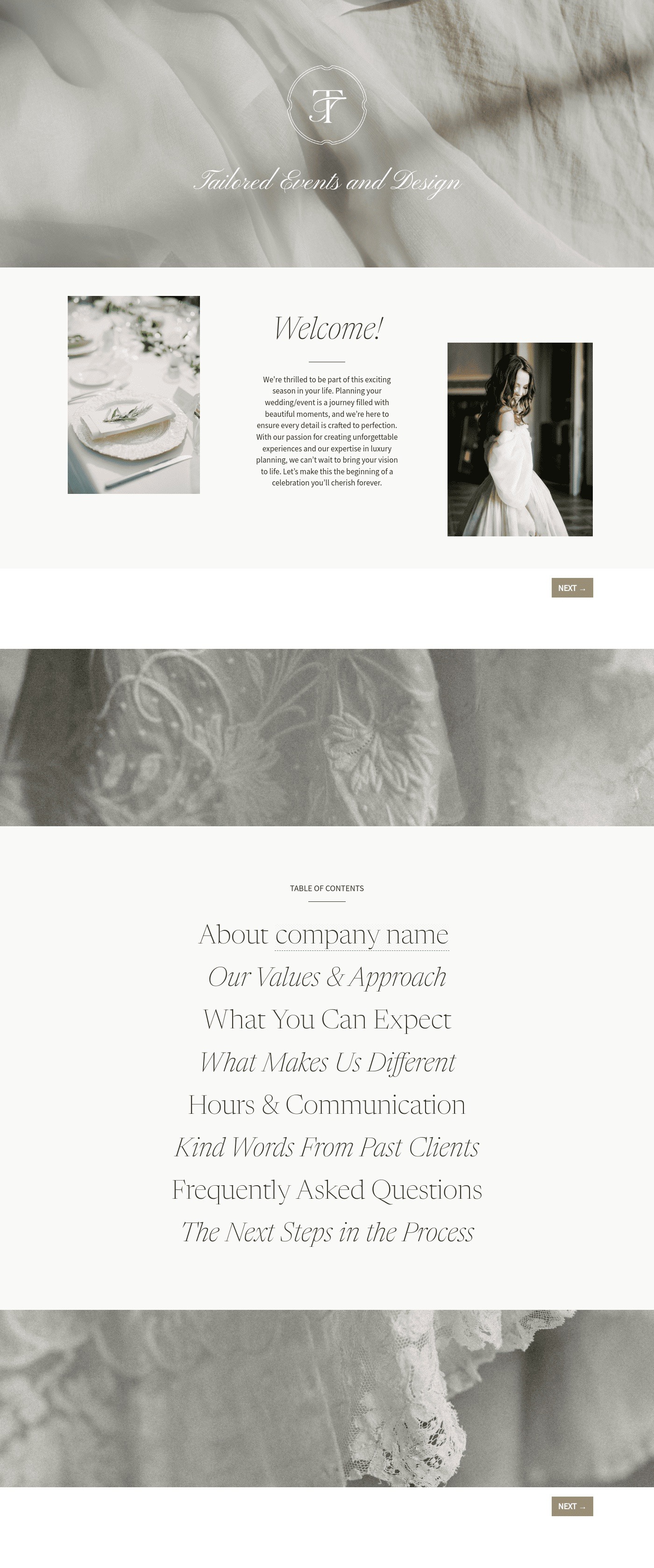
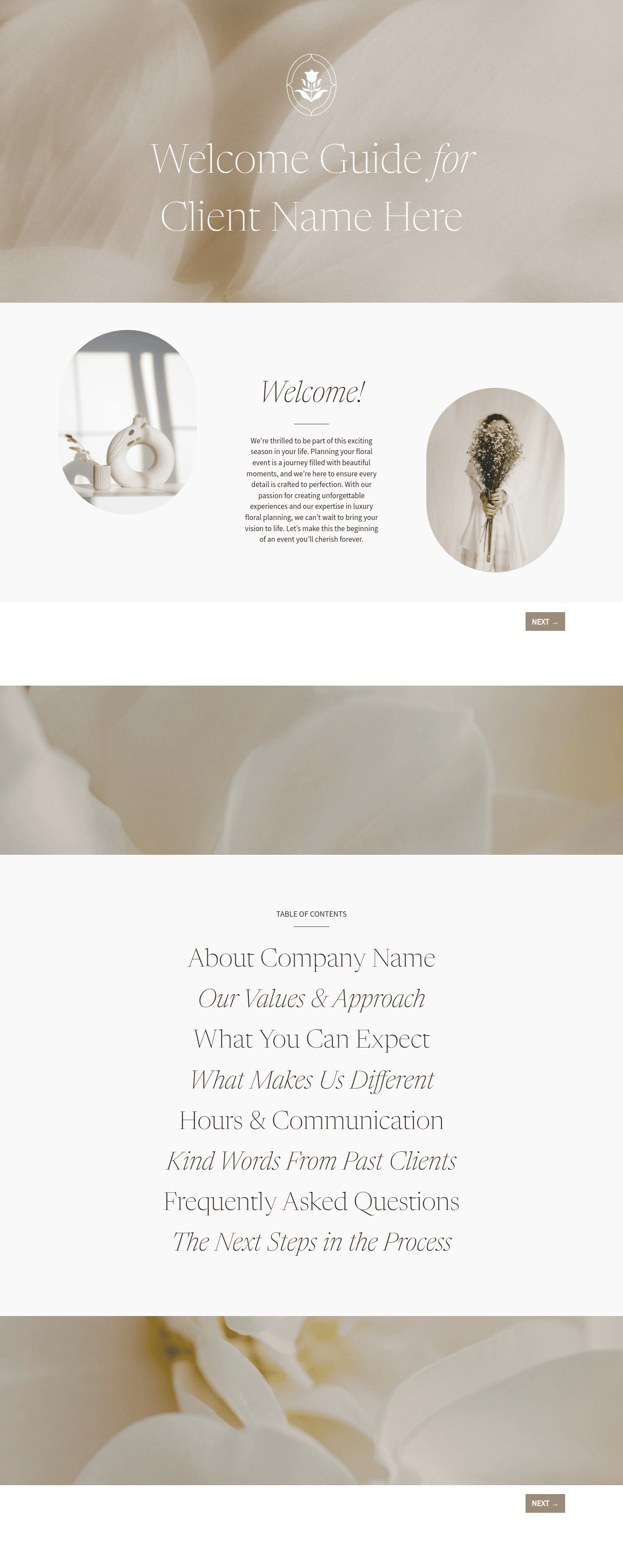

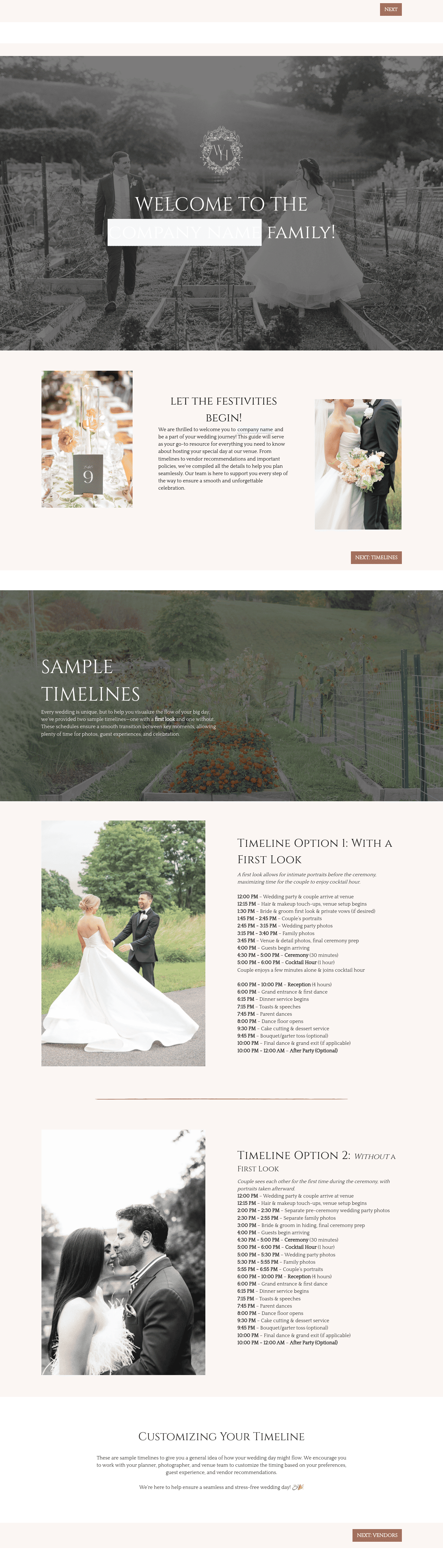



Related Templates



Make it your own
Fully customize the template to fit your needs. Quickly apply your company branding with just a few clicks.
Share with clients
Create exceptional client experiences through HoneyBook’s dedicated client portal, allowing them to read, review, and take action from any device.
Reuse and scale
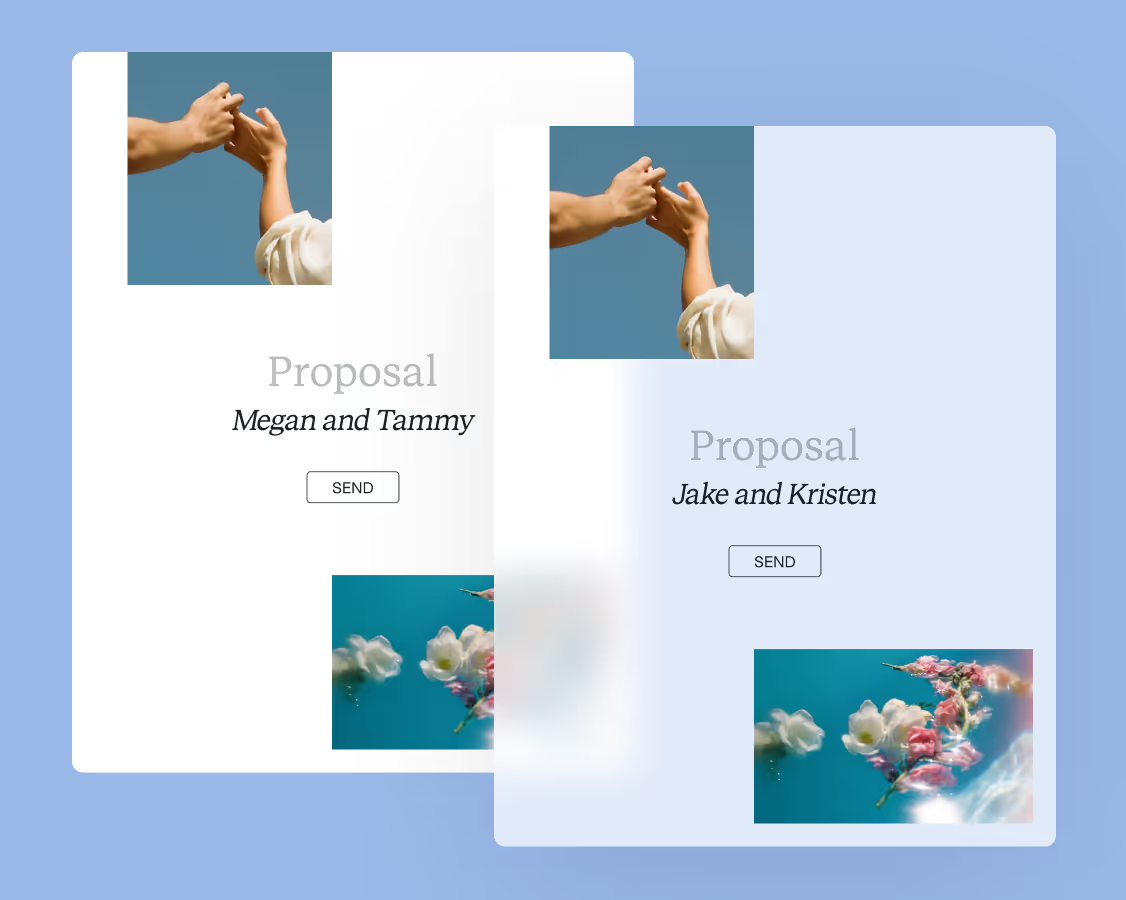
Use your customized files with different clients again and again to save time and make managing client interactions that much easier.
Join the 100,000+ businesses growing with HoneyBook.