






How Sheli Built a Wedding Venue Business from the Ground Up with HoneyBook
Start a Trial
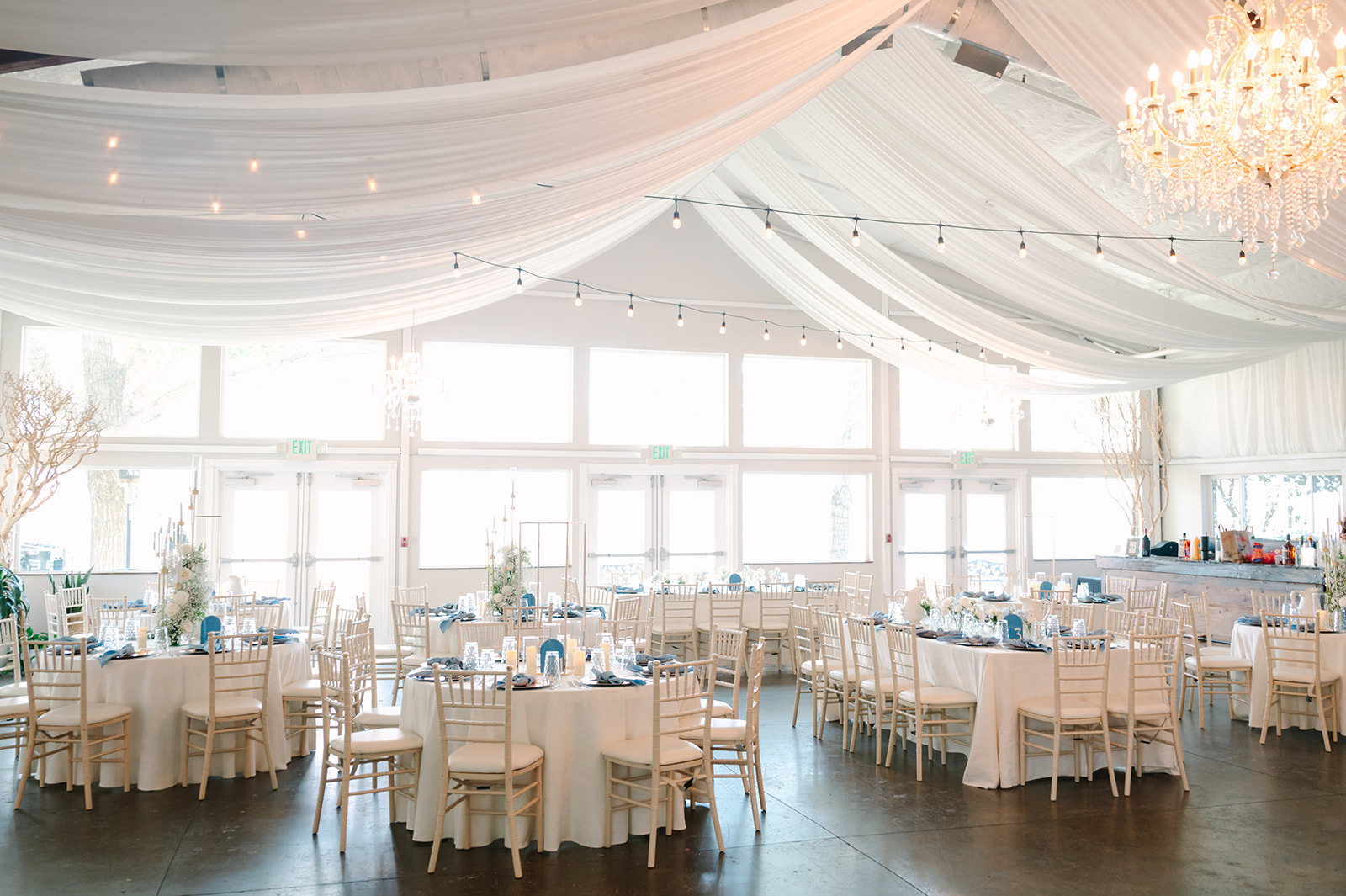
Sheli W. bought a wedding venue as a fixer-upper: a venue with a strong location, but very manual operations behind it. She'd spent years in early-stage tech, including founding and COO-level roles, before deciding to buy an existing business rather than start one from scratch. Wedding venues, she found while researching options, have some of the best unit economics in hospitality with the added excitement of being able to positively impact people's lives.
"There was no tech stack," Sheli says. "The prior owner ran everything on email and text. It was very manual and time-consuming."
Day one: build the infrastructure
Sheli and her husband moved out to oversee the turnaround, working long days for months on renovations, staffing, vendor contracts, and rebranding. Before any of that, she needed a system to run the business on.
"As soon as I acquired it, I knew I wanted to introduce a tech stack," she says. She tried a couple of general-purpose CRMs first and dropped them; they were built for a different kind of business and were unfit for weddings. HoneyBook, already used by a group of her preferred photographers and DJs, fit perfectly.
She set it up before the venue was even finished being renovated, selling the vision to book weddings months out using renderings of a space still under construction. Once bookings started coming in, HoneyBook held every contract and client relationship that followed.
Finding the right fit for her market
Early on, Sheli tested her pricing against what her couples actually wanted. She found that flexibility and value mattered more to her market than unlimited, higher tier options, so she built her packages around that insight, including an elopement package for couples planning on shorter timelines.
"I learned that this demographic really values flexibility and a great experience at a reasonable price. So I built packages around a more affordable wedding where couples could bring DIY add-ons, and leaned into CRM automation to keep our costs down."
The approach worked. Tour-to-booking conversion went from about 20% in the first six months to 35–40% once the renovation was finished.
The two workflows she relies on most
As the venue scaled, two things in HoneyBook ended up doing most of the day-to-day work for her:
- A welcome packet built as a Smart File in HoneyBook. After a couple signs, they get a packet covering logistics, timelines, vendor contacts, and FAQs, because, as Sheli puts it, "customers don't always read the contract in detail like they are reminded to." The Welcome Packet now answers roughly 80% of client questions before anyone has to ask.
- A vendor collaboration workspace. The venue sells all-inclusive packages, so a single event can involve eight vendors. Sheli uses the workspace as the one place everyone checks for tables, chairs, linens, and timelines, and trained her coordinator and outside vendors on it with recorded Loom walkthroughs.
"That's been a huge unlock," she says. "It really drives down my cost to serve."
18 months later
The venue now runs on a lean team: one part-time GM who also coordinates weddings, plus a handful of part-time event staff, all working out of HoneyBook. The seven-day-a-week grind of the first year has settled into a rhythm where Sheli visits quarterly and runs the rest remotely.
As she puts it:
"Without HoneyBook, things would be chaotic."
.png)
JonCarlo is a product marketing manager committed to helping venue owners and managers learn, grow, and adopt processes for streamlining their business.