


How the wedding content creator vs. videographer roles differ
Start a Trial
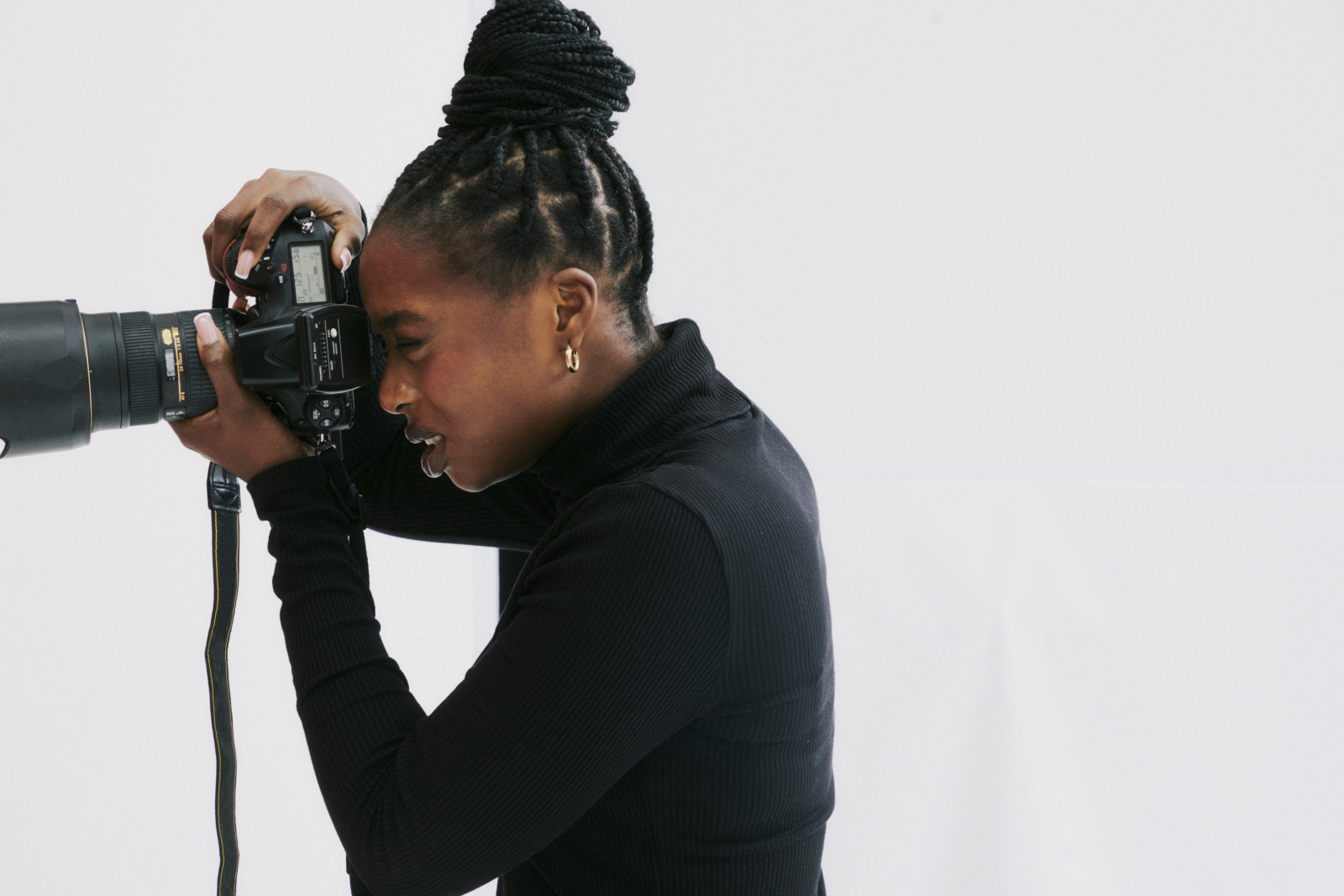
Pre-social media, long-form wedding videography was the norm, and newlyweds would receive a long stretch of footage from their big day. Now, some couples hire wedding content creators to receive ready-made clips for Instagram or TikTok. For video professionals, the distinction creates two primary career paths to choose from.
Videography focuses on creating cinema-quality wedding films, while content creation focuses on creating short-form videos catered to social media. Both are viable career paths, but one or the other may make the most sense for your skill set and long-term goals. To decide which route to pursue, compare the day-to-day workflows and career paths of a wedding content creator vs. a videographer.
What each role involves
Both wedding videography and content creation require technical and storytelling skills, but they work with different technology to create different deliverables. They also provide a different client experience.
Wedding content creators are responsible for creating trendy, social media-friendly clips for couples to share online. This role generally involves:
- Shooting vertical video: Content creators capture key moments throughout the ceremony and reception, typically using a smartphone camera.
- Capturing behind-the-scenes footage: Content creators are responsible for capturing relaxed or candid moments that a traditional videographer or photographer might miss.
- Editing reels: Content creators trim footage from the event into polished, shareable clips for TikTok and Instagram.
- Incorporating social media trends: Content creators who know what types of videos are trending can direct the couple and their guests if they want to participate.
- Delivering on a fast turnaround: Many couples want to post about their wedding shortly after it happens, so content creators often agree to edit and deliver footage quickly.
Acting as a wedding content creator doesn’t require much equipment. You need a smartphone with a high-resolution camera, a portable microphone, and editing software. However, you need to move fast and stay adaptable, as social media trends and client expectations can change quickly.
A wedding videographer typically aims to deliver a polished, professional video that couples can revisit for the rest of their lives. This role generally involves:
- Capturing the entire ceremony: Videographers are typically responsible for filming the entire ceremony, often from multiple angles.
- Capturing reception highlights: Videographers capture key moments during the reception, including speeches, first dances, cake cutting, and the final send-off.
- Creating cinematic highlight reels: Videographers use their editing skills to turn the event footage into a narrative video.
- Capturing professional audio: Videographers use professional microphones and audio equipment throughout the ceremony. They may add music and sound effects to the final video cut when appropriate.
While content creators tend to shoot vertically, videographers often capture horizontal video for a wider view of the event. Traditional wedding videography requires more advanced equipment, including high-resolution cameras, lenses, professional microphones, and tripods. It also requires detailed shot planning and technical editing skills.
Wedding content creator vs. videographer: Key differences
The biggest difference between a wedding content creator and a videographer is the type of videos they provide. One focuses on narrative, cinematic videos, while the other focuses on short-form social media content.
Here are some of the other notable differences between a wedding content creator and a wedding videographer.
Exact prices vary by market, the video professional’s experience level, and the extent of their services.
Wedding content creators and videographers aren’t direct competitors as they create different deliverables. In fact, many couples hire both a videographer and content creator for their big day. Some videographers and content creators even partner up to maximize their earning potential.
How each path affects your daily business operations
Understanding how a content creator workflow differs from a videographer’s can help you determine which path to pursue.
In general, a videographer’s workflow involves more technical planning, setup, and editing than a content creator’s. The content creator’s workflow is more fast-paced and relies on social media know-how.
Here are some other operational differences to be aware of:
- Pre-wedding consultations: Both types of professionals typically offer pre-wedding consultations. However, videography often requires more extensive planning, with multiple pre-event meetings and detailed client questionnaires.
- Equipment management: Videographers use professional gear, including cameras, lenses, microphones, and tripods, while content creators usually use a smartphone and portable microphone. This means videographers spend more time and money on equipment maintenance and transportation.
- Event presence: During a wedding, content creators are weaving through the crowd to capture candid moments, while videographers stay on the edge of the event to capture planned shots.
- Turnaround pressure: Content creators often agree to deliver footage and edited reels quickly, sometimes within 24 hours. Videographers usually have weeks or even months to deliver.
- Post-event tasks: Content creators often edit their work directly on their phones, while a videographer is more likely to conduct detailed color grading, audio mixing, and trimming to turn raw footage into an edited film. Both professionals need to follow up with clients and collect payment.
- File management: Videographers typically deal with much larger file formats than content creators do and need appropriate storage options.
Wedding content creation businesses can operate with just one person, although it can be helpful to have at least one more creator on site to capture more moments. Videographers often need to hire a larger team in order to expand their business and take on more clients, as the planning and editing process is more time-intensive.
How each path fits different business goals
When choosing which career path to follow, consider your long-term business goals, focusing on the following aspects:
- Pacing: Decide if you’d rather commit to fast-paced creative services as a content creator or would want to manage fewer high-ticket bookings as a videographer. With content creation, you’re more likely to manage a large volume of low- to mid-range bookings, and videography can allow you to scale your small business into a larger production studio.
- Brand image: The content creation route can allow you to develop a strong personal brand while videography can position your brand as a premium service provider.
- Up-front cost: If you don’t already own the required equipment for traditional wedding videography, content creation has a lower barrier to entry.
Regardless of which path you choose, it helps to be clear about your services, pricing, and specific offerings. Otherwise, clients may expect you to fill both content creation and videography roles. Clear contracts help set expectations and prevent scope creep before you start working.
How to choose the right business path for you
Both wedding videography and content creation are viable business models; you just need to choose the option that fits your skill set, preferred schedule, and long-term goals. Here’s what to consider as you make your decision:
- Editing tolerance: Videographers tend to spend more time on post-production editing than content creators. Consider what percentage of your workflow you want to spend on editing compared to other tasks like planning, shooting, and meeting with clients.
- Filming style: Consider whether you’d prefer filming short-form vertical video as a content creator or cinematic horizontal video for traditional videography.
- Audio skills: Videographers need more advanced audio skills than content creators, so consider your current abilities.
- Social media fluency: Content creators need to be comfortable on TikTok, Instagram, YouTube, and other social media platforms, while videographers focus more on timeless content that may never get shared. Ideally, content creators already have a strong social media presence of their own.
- Desired schedule: Videographers typically spend more time planning and editing each video than content creators. However, content creators have very short turnaround times after each event. Consider what type of schedule you prefer as your business grows.
How HoneyBook helps you manage clients on either path
Whether you’re a wedding content creator or videographer, HoneyBook helps you manage your entire client workflow.
With HoneyBook, you can track leads, create proposals and contracts, deliver work in branded client portals, send invoices, and collect payments, all in one convenient platform. HoneyBook also offers built-in automations, so you can allocate your time to creating compelling videos for your clients.
Try HoneyBook free today to manage your entire video business in one place.

Keep every client relationship organized.
Track leads, manage projects, and follow up at the right time, all from one place built for your business.
Try HoneyBook CRMFAQs
Can you be both a wedding content creator and a videographer?
Yes, some video professionals offer both traditional videography and content creation services. However, the specialties favor different tools and mindsets, so it can be tricky to balance both in one business model.
Is wedding content creation a sustainable full-time business?
Yes, wedding content creation can be a sustainable full-time business for professionals with strong video production and social media skills. Choosing a niche and marketing your service offerings to your target audience can help build your client base.
How does HoneyBook help wedding content creators and videographers manage clients?
HoneyBook helps content creators and videographers manage their businesses by tracking leads, creating proposals and contracts, managing invoices and payments, and providing AI features that boost efficiency.
Can a wedding content creator replace a traditional wedding videographer?
It depends. If you primarily want short clips for social media, a content creator can get the job done on their own. If you want a timeless cinematic highlight video, you need a traditional videographer as well.

HoneyBook's client relationships platform makes it easy for independent business owners to streamline their processes and create remarkable client experiences by combining essential tasks like an online contract, online invoice, client communication, online payment software, and more all in one place.