






Photography client questionnaire: Key questions and best practices
Start a Trial
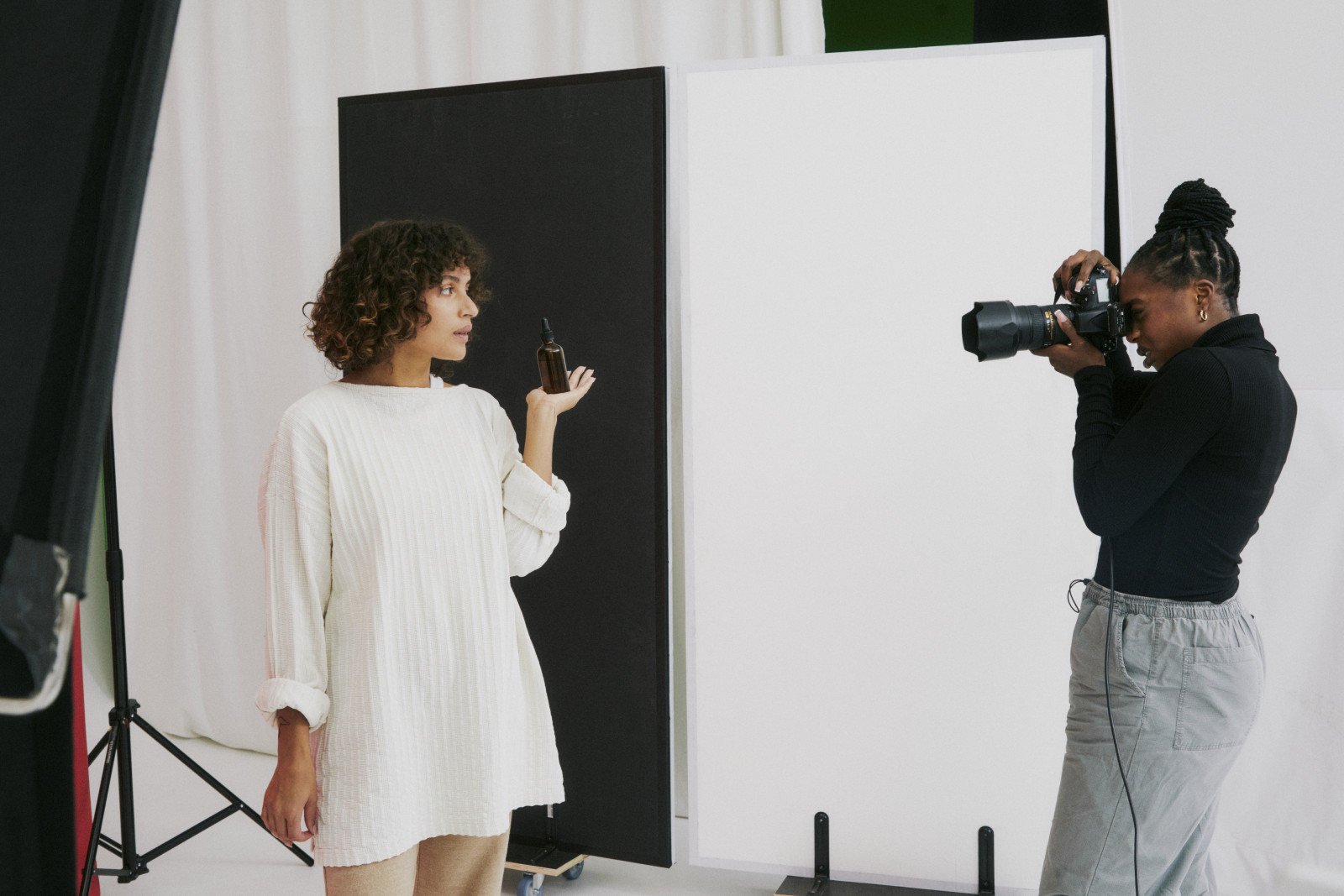
Walking into a photoshoot without knowing exactly what your client wants can turn the session into a guessing game.
A strong client onboarding process prevents that. Use a photography client questionnaire to capture client expectations upfront and map out the photoshoot’s creative direction—including locations, outfits, props, and key shots—long before you pick up the camera.
With these details, you can enter the shoot confident, focused, and ready to deliver exactly what the clients envision.
Explore what a photoshoot questionnaire is, why it matters, and the essential questions to ask about logistics, aesthetics, participants, and brand alignment for any type of session.
Why photographers need a standardized intake process
Having a standardized intake process removes guesswork and sets every session up for success. It captures client preferences and project context upfront, and gives studios a single point of reference for cross-team coordination.
Beyond gathering information to customize the session, the client questionnaire allows photographers to:
- Improve studio resource planning
- Smooth and simplify the onboarding process
- Create consistent studio experiences
- Nurture ongoing client relationships
- Document key details to avoid or resolve any disputes
Key questions to include in the photography client questionnaire
Customize photography questionnaire templates to the type of photoshoot you’re doing. For example, a questionnaire for a wedding session calls for questions about the couple’s unique story and key relationship moments.
But there are some questions that every questionnaire for photography clients should cover, no matter the session.
Here’s a curated list, organized into practical categories—logistics, aesthetics, participants, and brand alignment. Use it to put together a questionnaire that supports your photography business without overwhelming clients.

Onboard new clients with the right questions.
Use a ready-made questionnaire template to capture every detail you need before the project kicks off.
Explore questionnaire templatesLogistics and photo session details
Begin with the basics. Ask the client about the logistics of the photography session: when, where, and how the session will unfold to lock in the schedule, scope, and goals before moving into creative planning.
- What type of photoshoot are you looking for, and what dates and locations do you prefer?
- What is the primary objective or end goal for these photographs?
- Do you have a list of essential shots or specific moments that you want captured?
- Do we need a contingency plan for weather, location restrictions, or other unexpected changes?
Creative vision and aesthetic preferences
Understand the client’s creative vision by asking for specific descriptions and visual references. This eliminates guesswork and keeps the final shots true to the client’s preferences.
- What made you choose us as your photographer for this session?
- How would you define your aesthetic: minimalist, vintage, editorial, moody, whimsical, vibrant, or something else?
- Could you share up to five reference images or links that illustrate the mood or tone you want reflected in the images?
- Are there particular poses, editing styles, or visual approaches you want to explicitly avoid?
Participant profiles and special requirements
Before the shoot, confirm who will be participating and note any considerations that can help the session run smoothly, such as mobility limitations or individuals who feel nervous being photographed.
These questions help you prepare staging, gear, and overall creative approach in a way that keeps the experience comfortable for everyone.
- Who will be present for the shoot, and will any children or pets be involved?
- Are there any group dynamics or comfort levels around the camera that we should be mindful of?
- Are there any accessibility needs or physical constraints that require special consideration?
Brand alignment and final delivery
Confirm the requirements for final deliverables, including brand guidelines and preferred formats for web use or physical prints for albums.
- Are there existing brand guidelines or specific color palettes we need to align on?
- How do you intend to use or showcase the final high-resolution images?
- Is there anything else we should know as we prepare for the session?
How and when to send your photographer questionnaire
The best time to send the photography client questionnaire is immediately after a client books. This allows you to kick off onboarding without delay, giving both you and the client ample time to prepare for the photoshoot.
Ideally, integrate the questionnaire into your photography business workflows so it’s sent automatically.
Here’s an email template you can personalize to match your studio’s brand voice and requirements.
Once you receive answers from the client, start planning the photography session. Define the creative direction, including key shots and aesthetic choices, and assign setup tasks to your team (outfits, props, and backdrops). Get in touch with the client if you have any additional follow-up questions.
Tips to optimize your photography client questionnaire
Effective photography questionnaire templates simplify workflows and lead to better client experiences. Use these best practices to craft winning questionnaires:
- Tailor it to the type of photoshoot: Build a few different templates for your main services (e.g., weddings, family, and commercial) so you glean the right information for each session.
- Limit the number of questions: You don’t want to overwhelm clients with too many questions. Aim for a survey they can complete in under 10 minutes. Follow up on any answers later if needed.
- Leave some questions open-ended: Let clients explain their vision in their own voice. A mix of multiple-choice and open responses results in more accurate answers.
- Incorporate visual examples: The questionnaire doesn’t have to be all text. Add visual examples to clarify what the client does (and doesn’t) want in terms of styles or poses.
- Use conditional logic: Conditional logic keeps the questionnaire focused. Clients see only the questions that apply to them based on previous responses. For example, if they answer “yes” to a prompt, relevant follow-up questions appear automatically.
- Automate the process: Trigger the questionnaire (and reminders) to send automatically after a client books.
How photographers use HoneyBook to manage client questionnaires
Set the tone for a successful session by using a photography client questionnaire to capture every key detail upfront. When you understand the client’s vision and needs in advance, you can plan resources better and deliver final shots that match client expectations.
Custom templates make this process faster and easier. With HoneyBook, you can create beautiful, branded questionnaires and send them automatically as part of your onboarding process. HoneyBook cuts down the administrative overhead from workflows while keeping your brand experience intact.
Start your free trial today and see how smoothly your shoots can run.
FAQs
How long should a photography client questionnaire be?
Your questionnaire for photography clients should be thorough, but not overwhelming. Aim for no more than 15 questions. Mini-session questionnaires may be even shorter. Commercial or wedding photography may need a few additional questions to account for their complexity.
Do I need a different questionnaire for different photography session types?
Ideally, yes. Create a photography questionnaire template for each of your main services, such as weddings, maternity, and family, to capture the right level of detail for each type of shoot.
How can HoneyBook help me manage my photography client questionnaires?
HoneyBook lets you craft attractive questionnaires to send automatically after a client books a service (or another key action). Its large library of templates and conditional logic help you create questionnaires that feel personal to every photography client.

HoneyBook's client relationships platform makes it easy for independent business owners to streamline their processes and create remarkable client experiences by combining essential tasks like an online contract, online invoice, client communication, online payment software, and more all in one place.