












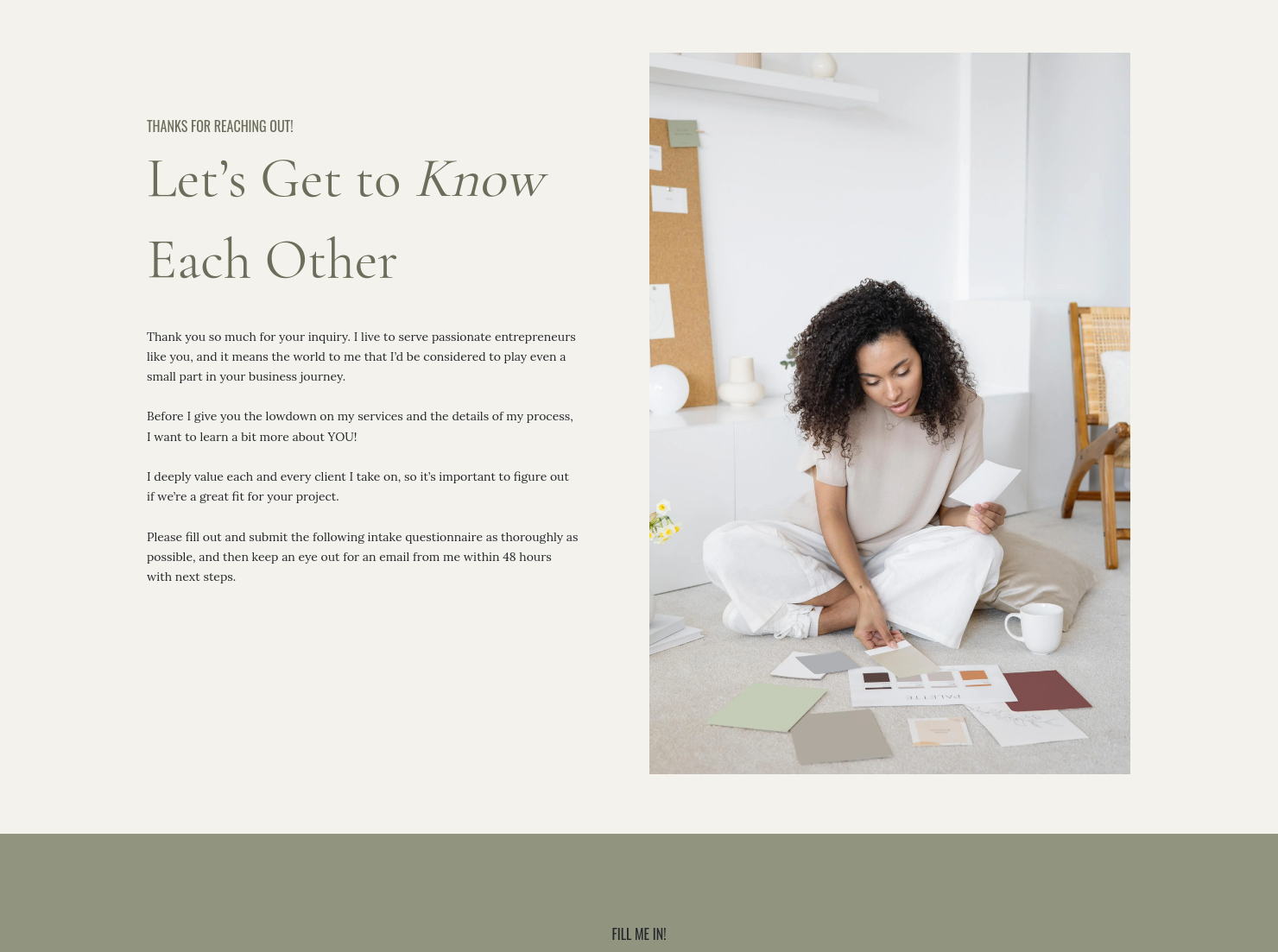

Questionnaire

Get client input, collect project details, and set expectations ahead of—or during—any project.


“
”

October 11, 2026

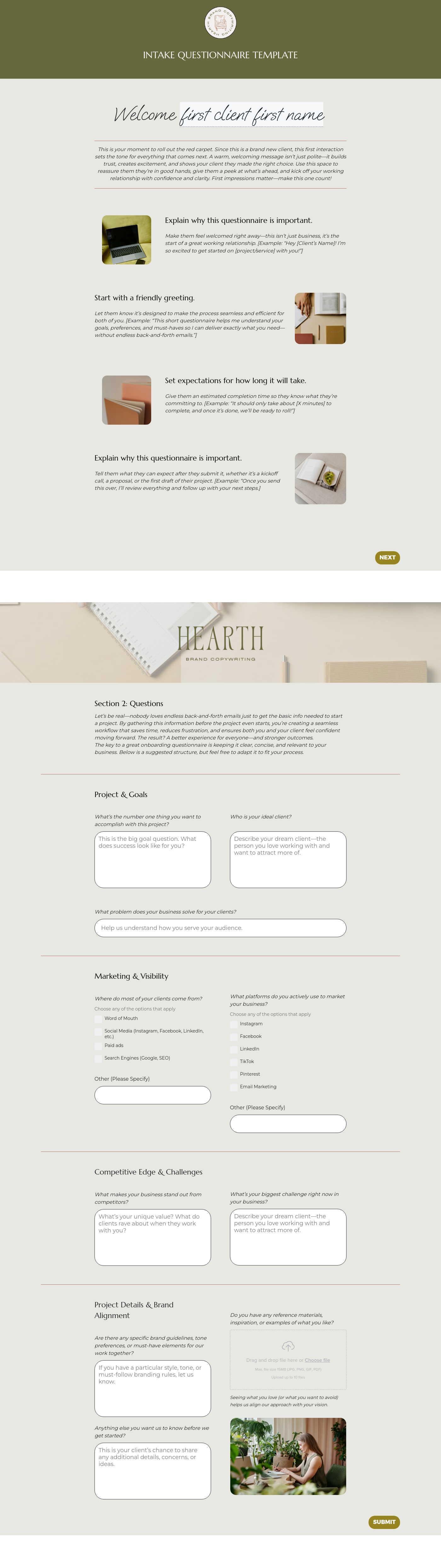
Best practices for using client intake questionnaire templates
One of the most valuable things you can do as a business owner is attract high-value clients. While lead generation can help you get clicks and subscribers, it's up to you to qualify those leads and ensure you're working with the right customer base. That's where a client intake questionnaire comes in handy. Intake sheets allow you to gather information and start your new relationship on the right foot.
No matter what kind of service-based business you run, your clients are your bottom line. So, it's imperative to know as much about them as possible before moving on with documents like contracts or service agreements. A client intake questionnaire helps your business in several ways, including:
- Showcases Professionalism - A sleek intake form puts your company's best foot forward.
- Gives You Better Insights - A client intake questionnaire puts you in the driver's seat, as you can determine when and how to proceed based on valuable information.
- Builds Stronger Client Relationships - The more you can get to know your client beforehand, the easier it is to deliver exceptional service and build a better reputation.
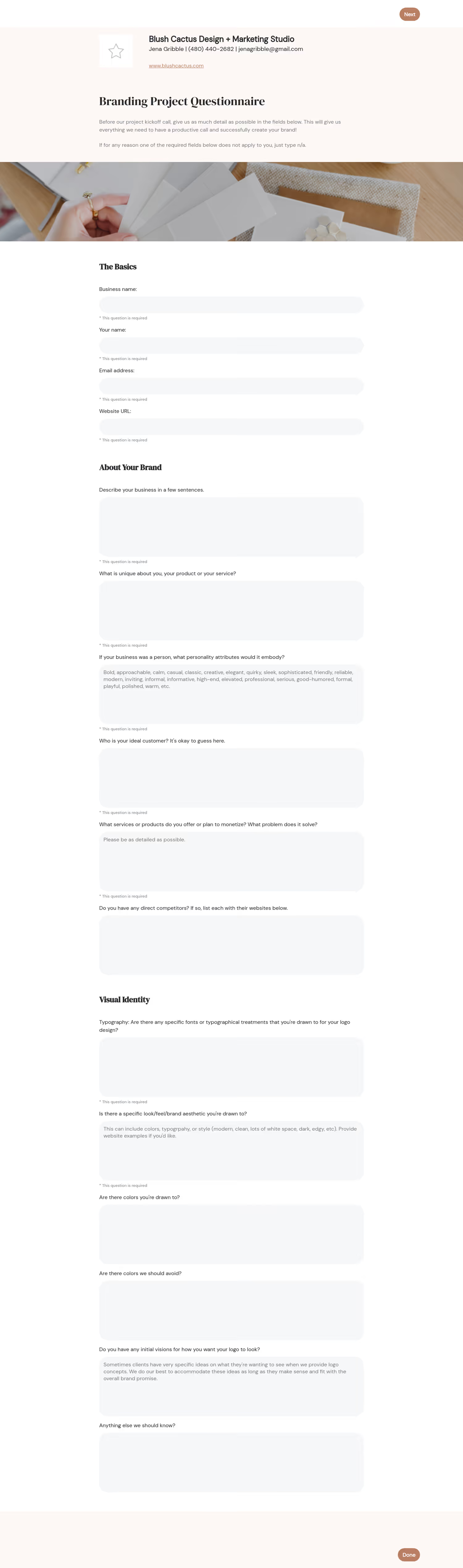
Although examples of intake forms can vary from one industry to the next, here are some core sections to include within this document.
- Basic Information - Collect the client's contact details and their preferred method of communication.
- Background Details - Your prospective clients should let you know more about why they need your services.
- Objectives - Here is where the client can go into more detail about how your services can help them reach their goals.
- Budget Assessment - What are the limits of their budget?
- Industry-Specific Questions - Patient intake forms templates will look much different than legal intake forms because you need to capture different information (e.g., medical history vs. past legal representation). Tailor the form to suit your prospective leads.
While a client intake questionnaire is valuable on its own, here are some best practices to help you maximize its effectiveness.
- Think Like a Client - Consider why a potential client would be reaching out and ask relevant questions.
- Focus on Clarity - An intake form should help you understand the who, the what, the why, and the when.
- Keep It Simple - Intake sheets should lead to consultation calls or office visits, where you can go into more detail and ask more questions.
- Manage Expectations - Provide some background on your business and the types of clients you work with the most.
- Include Next Steps - What should the client expect after submitting the form? Examples can include a phone call, an email, or a scheduling calendar to arrange a consultation.
Remember, the goal of a client intake questionnaire is to put your company in the best position possible. The more you know about each new lead, the more you can adjust everything else, including consultation notes, proposals, and agreements. These forms can also help you churn low-quality clients.
The best time to use client intake questionnaires is when leads are ready to move to the next step. With the information provided on the form, you can schedule a consultation meeting or call and decide whether your business is right for their needs.
Best of all, if you're already using HoneyBook's customer relationship management system, you can integrate these details immediately and start you and your client off on the right foot.
Catering has a lot of moving parts, and the menu sits in the center. If your catering menu is scattered across emails, texts, and screenshots, mistakes show up at the worst time.
A structured menu template helps in practical ways.
- Builds client trust and a professional first impression.
- Speeds approvals by making choices simple.
- Reduces payment disputes by documenting totals and terms.
- Saves time by cutting back and forth.
That means fewer surprises for clients and fewer fire drills for you.
FAQs
Below are quick answers to common questions from caterers building a catering menu that clients can approve with confidence.
Typically, any service-based business will benefit from having this kind of document. If you find yourself chasing leads or weeding through low-quality prospects, this form can help streamline the conversion process and ensure you only work with profitable clients.
All you need from this document are the basic elements of the project or services your lead wants from your business. This form shouldn't dive too deep into personal details, but have sections where clients can provide as much background as they'd like.
Yes, HoneyBook is an all-in-one CRM tool that allows you to automate the client intake process to suit your needs. For example, you can send a follow-up email automatically after a lead submits the form.
Yes, HoneyBook allows you to draft smart documents for mobile devices for a more seamless intake experience.
Related templates
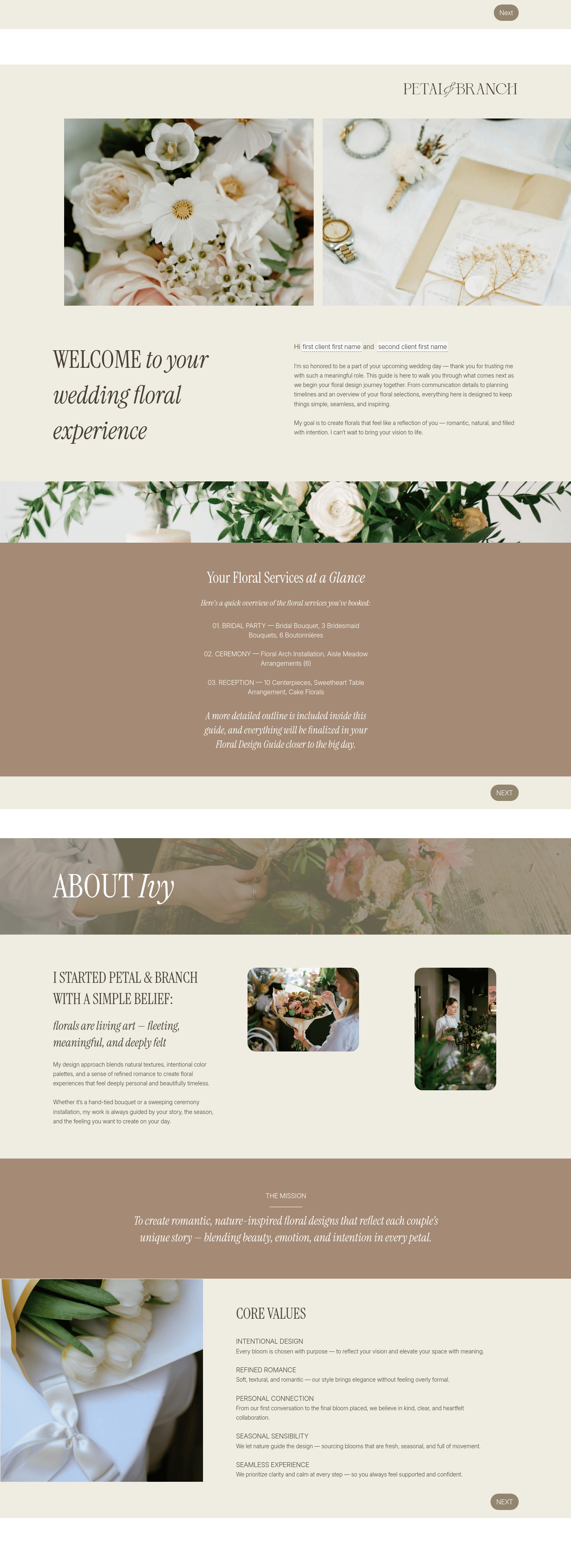
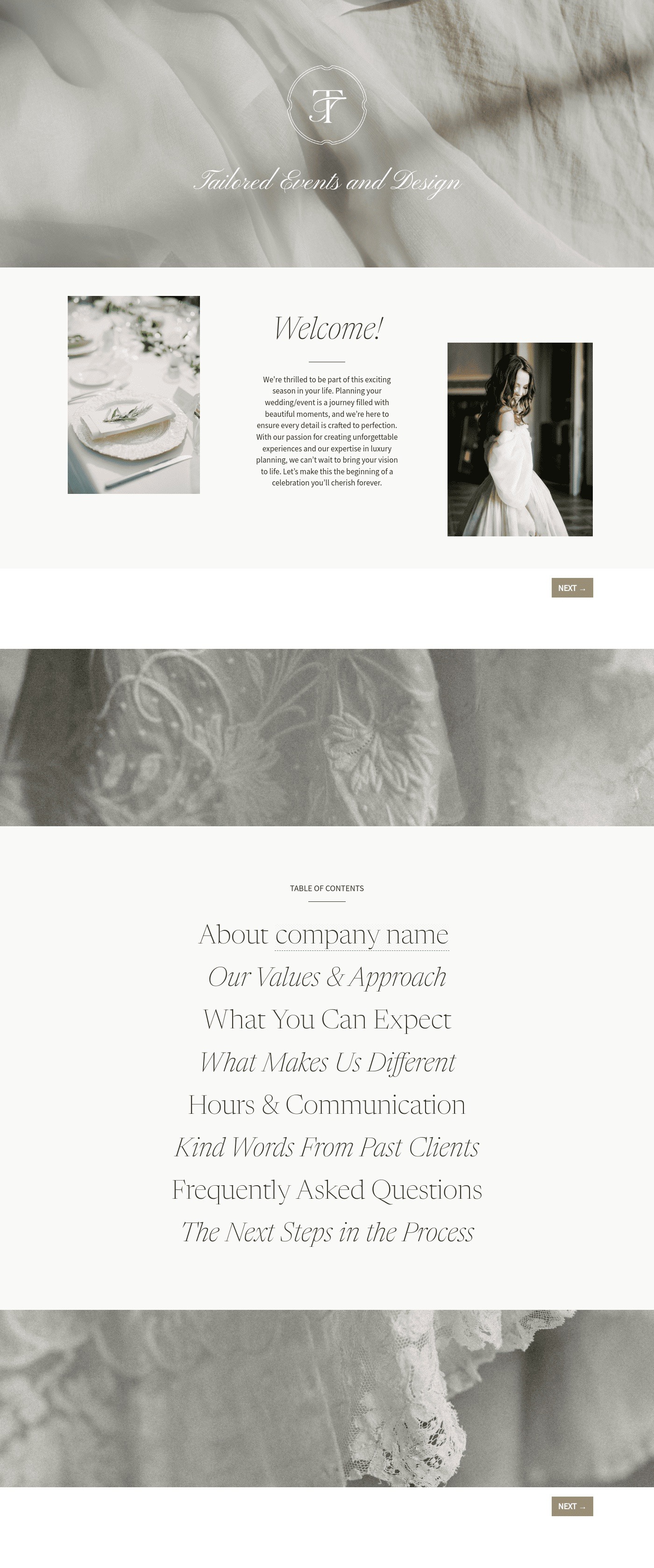
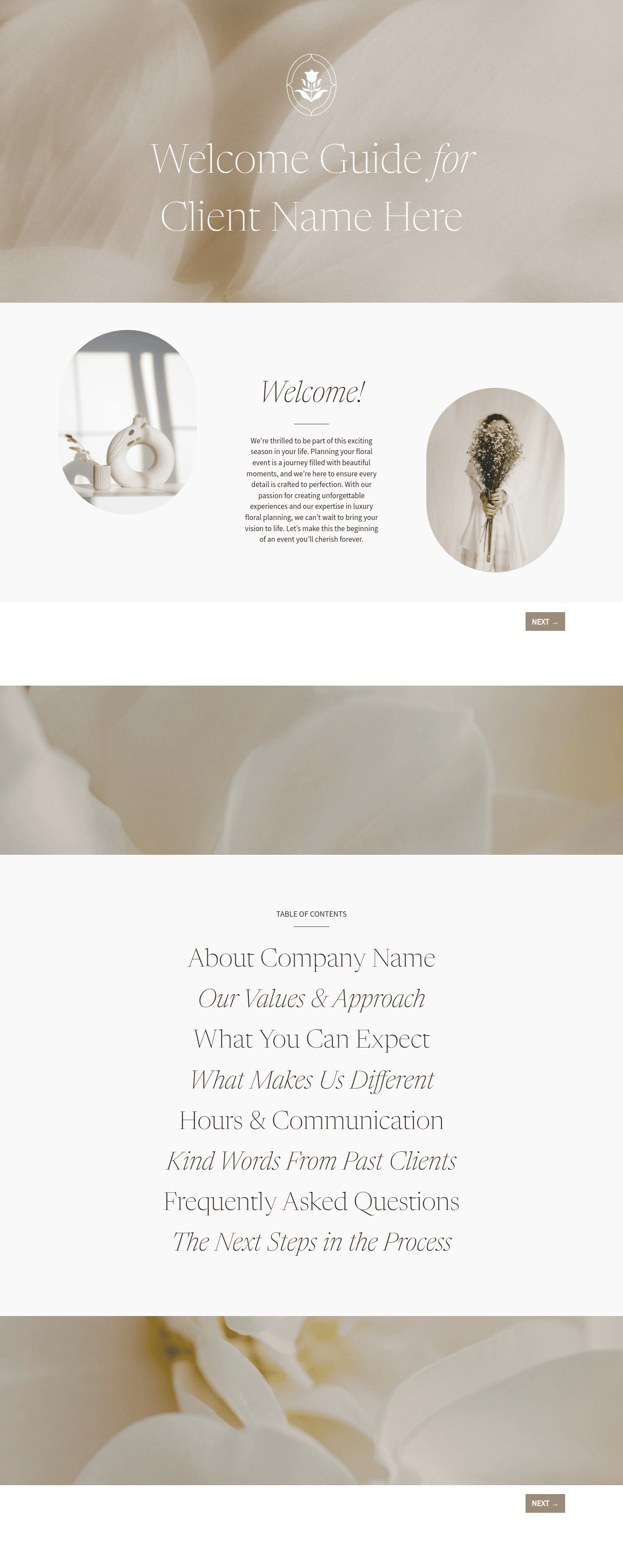




Related Templates


.png)
.avif)


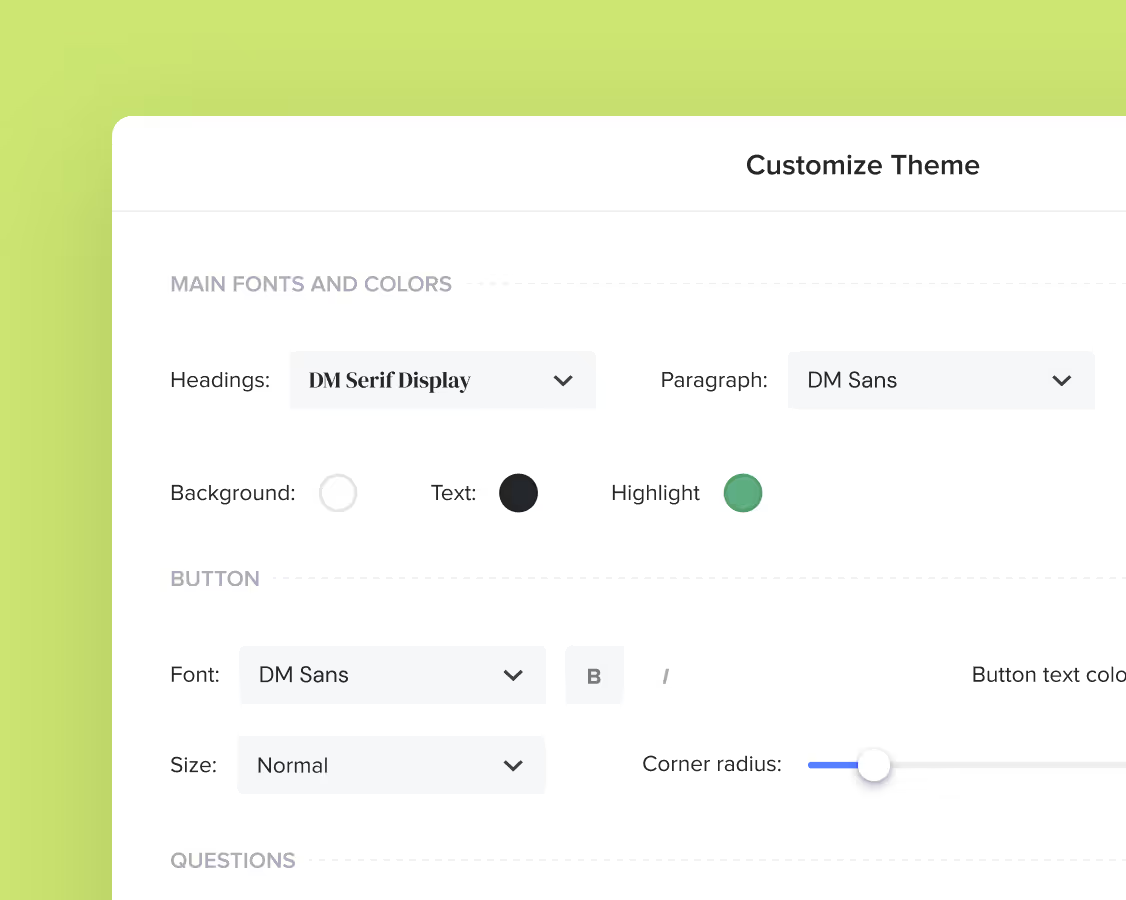
Make it your own
Fully customize the template to fit your needs. Quickly apply your company branding with just a few clicks.
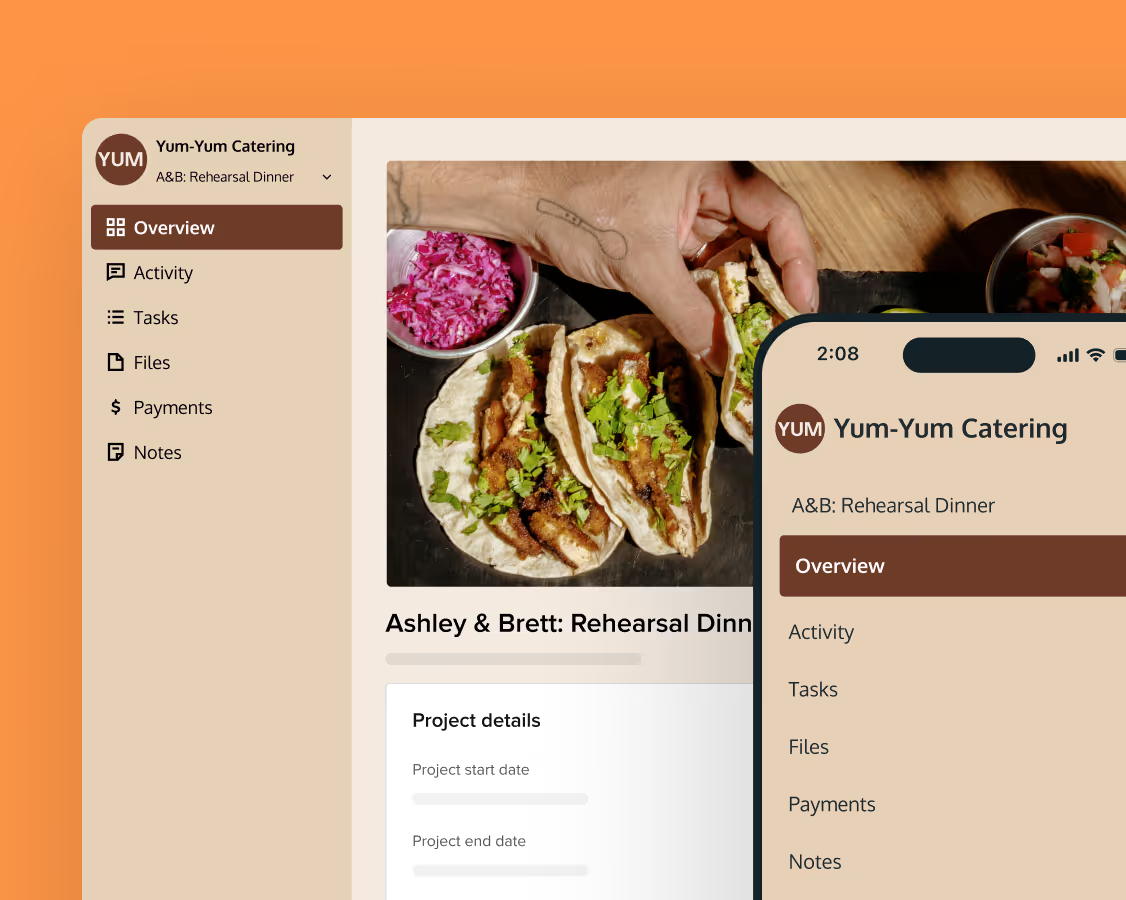
Share with clients
Create exceptional client experiences through HoneyBook’s dedicated client portal, allowing them to read, review, and take action from any device.
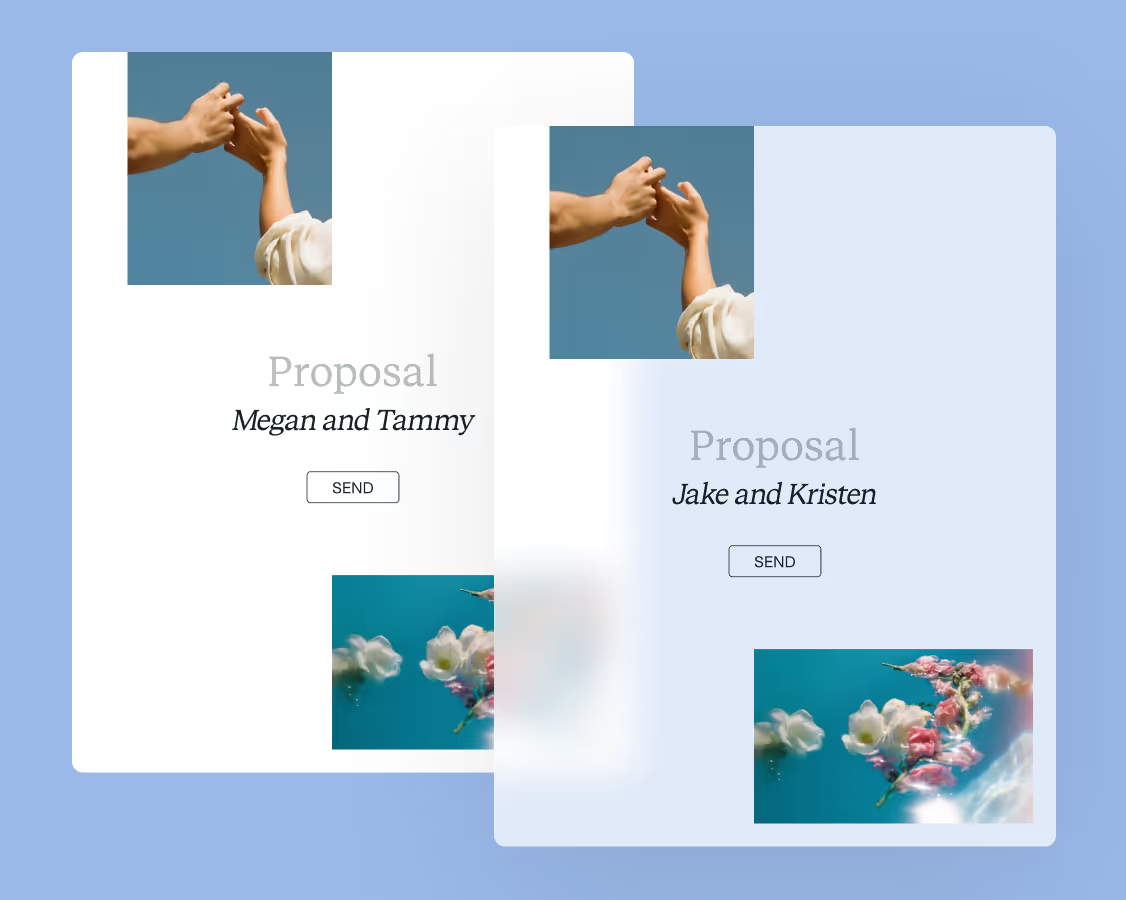
Reuse and scale
Use your customized files with different clients again and again to save time and make managing client interactions that much easier.
Join the 100,000+ businesses growing with HoneyBook.