






Graphic design client questionnaire: 13 key questions
Start a Trial
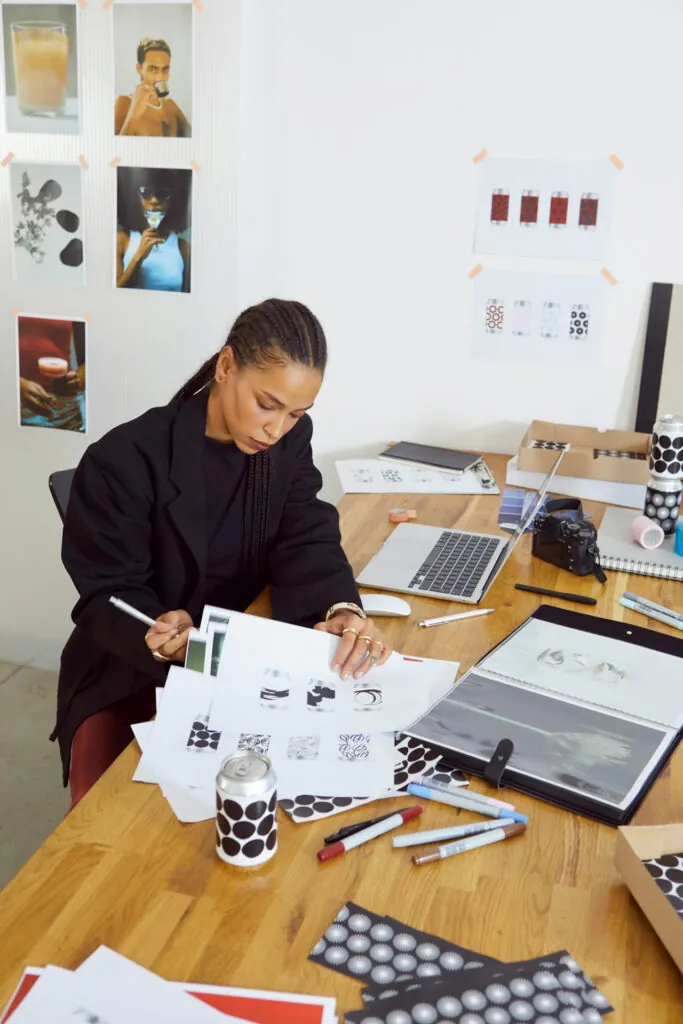
Graphic designers often get stuck in endless rounds of revisions, and they usually stem from one issue: lack of alignment at the start of the project.
Avoid the frustration of redoing designs—and the risk of losing client trust—by starting with a strong onboarding process. A client questionnaire fits naturally into this phase, giving you a frictionless way to understand the client’s vision and align on project details early.
Learn what a graphic design client questionnaire is, why it matters, the key questions to include, and how to set it up so you can get the design right from the start.
Why a graphic design client questionnaire matters
A graphic design client questionnaire gives specific insights into the client’s vision, instead of vague requests for something “modern” or “minimalist.”
Here are some other benefits of creating an in-depth onboarding questionnaire:
- Smoother design workflow: Reduce revision cycles and prevent back-and-forth.
- More accurate estimates: Stay within the scope and budget you originally proposed.
- Happier clients: Build trust through deeper design conversations and well-aligned deliverables that ensure client satisfaction.
- Professional first impression: Impress clients from the first contact with a professional questionnaire.
- Written record of client vision: Maintain a reference point to guide conversations if feedback shifts or becomes inconsistent.
- Greater likelihood of success: Establish a clear creative direction instead of guessing your way to a final design.
A graphic design client intake form is also highly adaptable. You can tailor the questionnaire template to any project—from brand kits and websites to digital assets and printed materials—to capture the details needed to design with confidence.
The most effective questionnaires touch on these essential categories.
Questions about your client’s business
Get to know your client’s business, target audience, and value proposition to inform your creative graphic design choices.
1. What does your business do, and who is your target audience?
Your client’s business sector, brand identity, mission statement, and target audience will guide every visual decision you make to create a purposeful design—from colors and images to typography and composition. For example, a business that values innovation may favor bold colors and clean, minimalist layouts.
2. What sets you apart from your competitors?
Get a sense of your client’s competitive advantages to create something distinctive that reflects those strengths. Request a short list of 2–3 top competitors to ensure you craft a unique, signature look for the client.
3. How would you describe your brand personality?
Brand personality is an essential compass for design style. On the branding questionnaire, ask clients to share a few adjective pairs to pinpoint how they want the brand to feel. For example, if the brand voice is honest and down-to-earth, the color palette may include natural greens and browns to reinforce that sense of authenticity.

Onboard new clients with the right questions.
Use a ready-made questionnaire template to capture every detail you need before the project kicks off.
Explore questionnaire templatesQuestions about the design project or campaign
Define the project goals, budget, and deadline to map out a tentative roadmap of deliverables and processes.
4. What is the goal of this project?
Understand the main objective of the design project, whether it’s a rebrand, a refresh, or a completely new launch. Every type of campaign requires a different design approach and sets the strategic direction for your creative work.
5. What is your budget and deadline?
Establish a clear budget and deadline to align expectations with the client and kick off a transparent relationship. It’s especially important to know if the project timeline is tied to a specific event or launch, as that will shape your workflow and priorities.
6. What deliverables do you need, and in what formats?
Clarify the type and format of deliverables the client requires. For example, common design formats include print-ready PDFs, digital files, or web-optimized PNGs. Getting this information in advance avoids last-minute reformatting and resizing requests.
7. How many revision rounds do you expect, and who will approve the final work?
Set the number of revision rounds and the approval chain upfront in the contract terms to create clear boundaries. Doing so will ensure all key stakeholders review early drafts, helping you avoid surprise feedback or major late-stage changes.
Questions about visual style
Delve into the visual style for the design project, including branding elements and visual references.
8. Do you have existing brand assets to work with?
Brand consistency is a guiding principle of successful graphic design. Gather logo files, brand guidelines, and color codes to understand the client’s current standards—and whether the project needs to follow them closely. Some clients want a fresh take on their existing designs, while others prefer to start from a clean slate.
9. Can you share 3–5 designs you love and ones you don’t?
Visual references can be incredibly valuable for pinpointing the client’s likes and dislikes, and clarify their vision beyond just words. Make this field mandatory so clients provide illustrative examples of what they’re looking for (and not).
10. Are there any colors, fonts, or styles to avoid?
Clients often have deep-seated stylistic aversions that you won’t surface unless you ask directly. Identify any creative dealbreakers early to steer clear of unwanted elements and avoid unnecessary revision cycles.
Questions on communication and collaboration dynamics
Strengthen your working relationship by learning how the client likes to communicate, what has or hasn’t worked with past designers, and overall collaboration style.
11. Have you worked with a graphic designer before?
Discuss the client’s past experiences with designers to learn whether they have any specific concerns. With this context, you’re able to anticipate potential friction points and proactively manage the client relationship to avoid repeating past frustrations.
12. How do you prefer to communicate and give feedback?
Confirm the client’s preferences for email, calls, shared documents, and other collaboration tools to prevent workflow bottlenecks. By aligning on communication methods, you ensure feedback and review cycles move more smoothly.
13. Is there anything else I should know before we get started?
Include this catch-all question to uncover whatever else may be on the client’s mind. Sometimes it reveals critical context, style nuances, or past learnings that help you start the project on the right foot.
How to send and manage your questionnaire with HoneyBook
To align with your client’s vision from day one, you need a client questionnaire template that you can quickly tailor to any design project.
With HoneyBook, you get an extensive library of ready-made graphic design templates that you can customize to your brand and automate into your client workflows.
Whether you need intake forms, design questionnaire samples, or project feedback templates, HoneyBook has you covered. Our platform also offers easy-to-use integrations with your favorite tools, including Google Forms, Typeform, and Anthropic.
Ultimately, your graphic design client questionnaire sets the tone for everything that follows. Use HoneyBook to provide a high-end experience with questionnaire templates that wow clients and kick off design projects with the information you actually need. Start your free trial now.
FAQs
When should I send a client questionnaire, before or after the discovery call?
Ideally, send the client questionnaire before your discovery call. This gives you a good starting point to follow up on the client’s answers and engage in deeper graphic design discussions during the call.
How long should a graphic design client questionnaire be?
A graphic design client questionnaire should include no more than 15 questions and take no longer than 10 minutes to fill out. Choose questions wisely to gather the most important information without overwhelming your client.
It’s also a best practice to ask follow-up questions in a dedicated meeting to cover any incomplete answers or missing points.
What is the difference between a client questionnaire and a creative brief?
The goal of a client questionnaire is to gather information about their graphic design vision and project so you can align on the goals early on.
A creative design brief is an internal document that strategically summarizes the project requirements for the designers who will execute the work.

HoneyBook's client relationships platform makes it easy for independent business owners to streamline their processes and create remarkable client experiences by combining essential tasks like an online contract, online invoice, client communication, online payment software, and more all in one place.