










Services

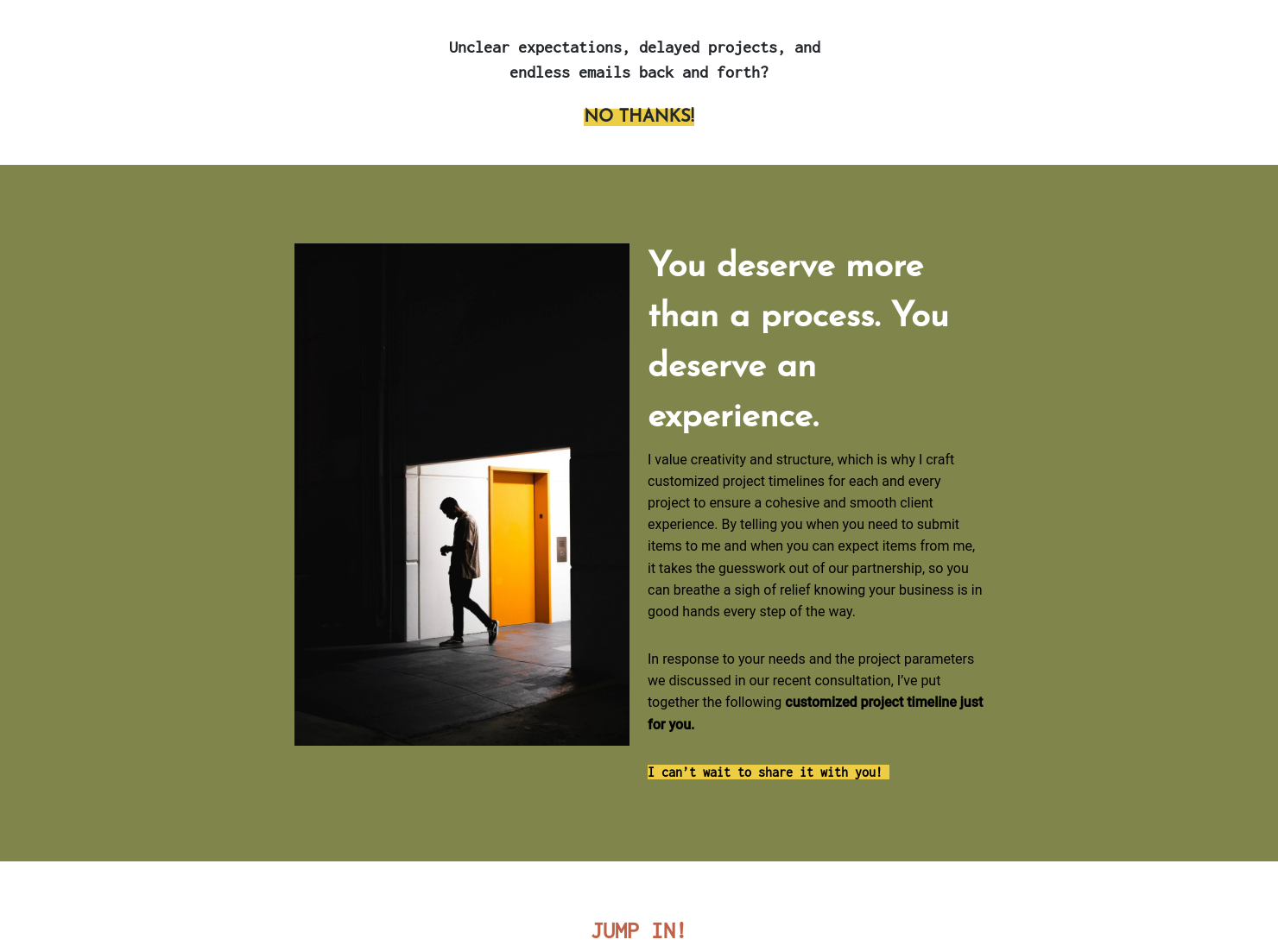
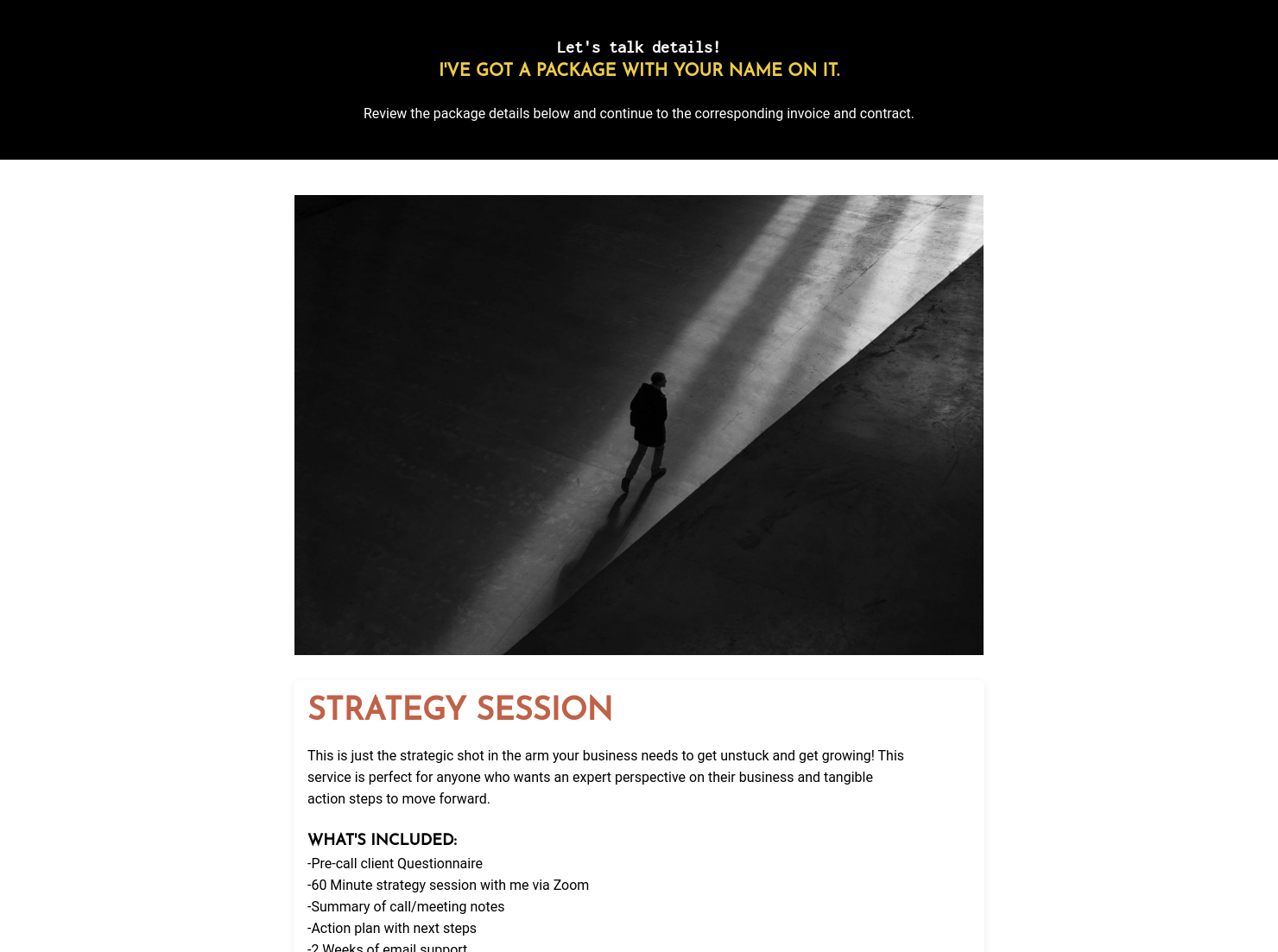
Showcase your services for easier client booking.

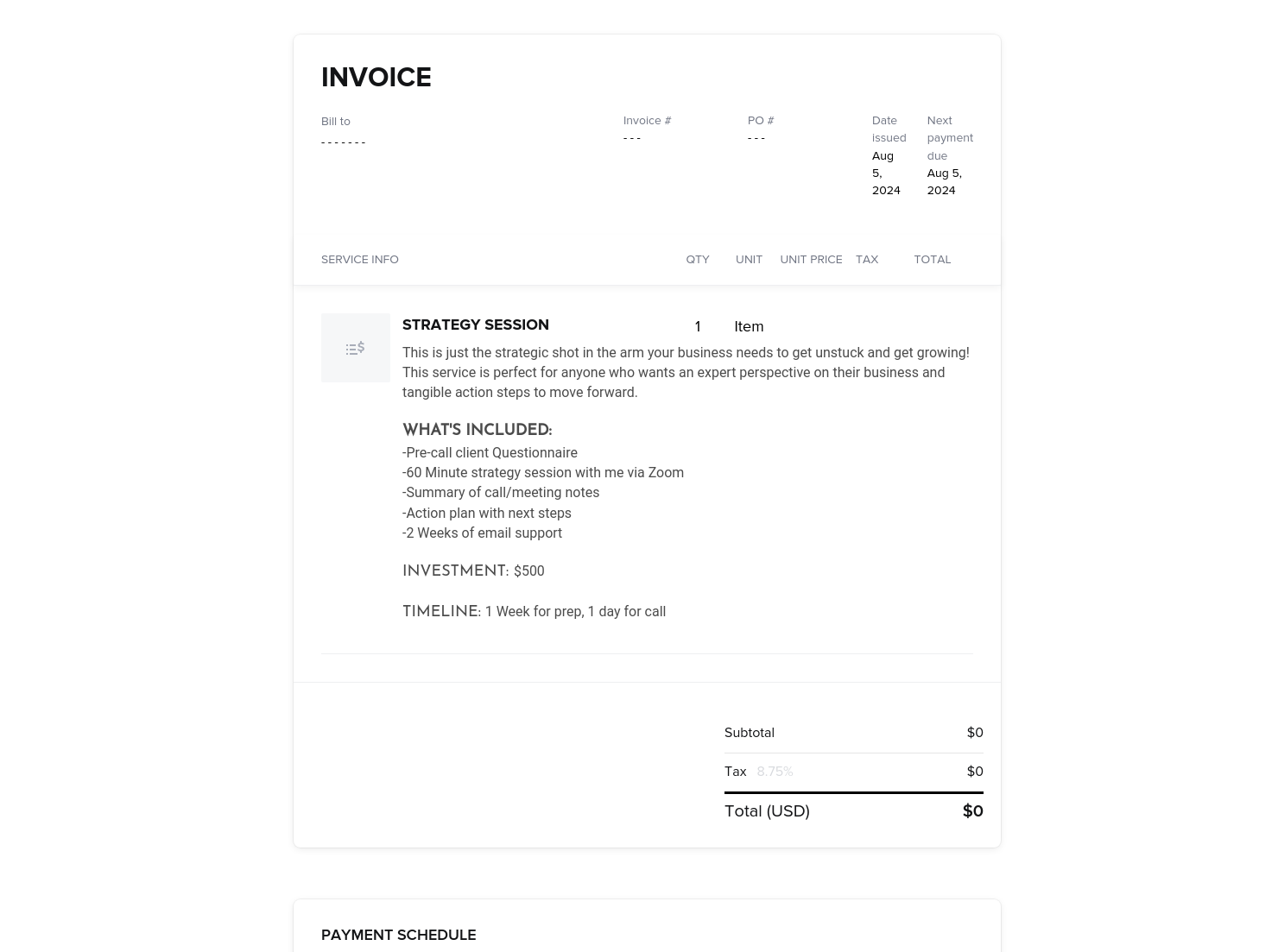
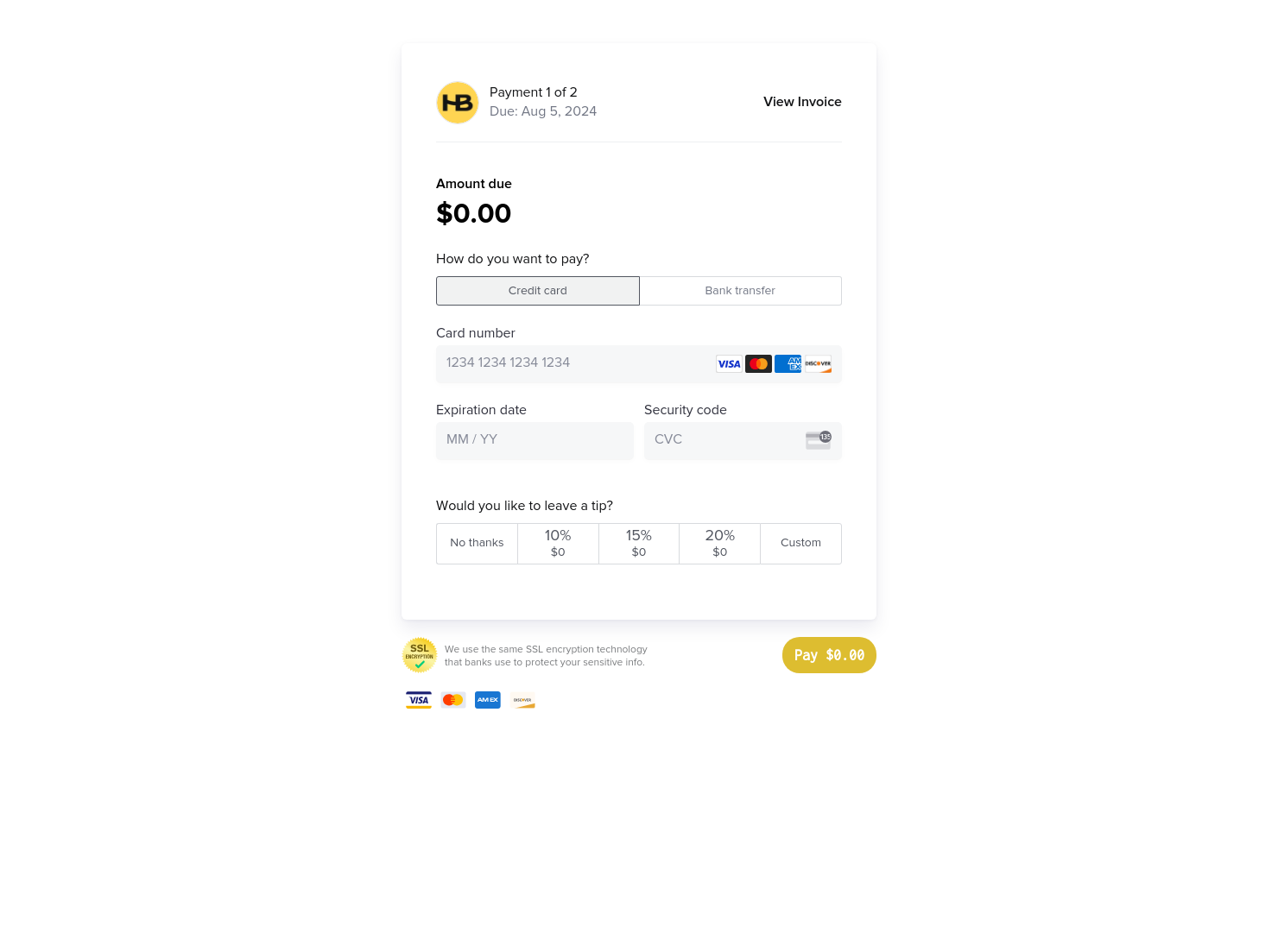
Invoice & online payments
Make it easy for clients to book and pay for your services–all in one file.

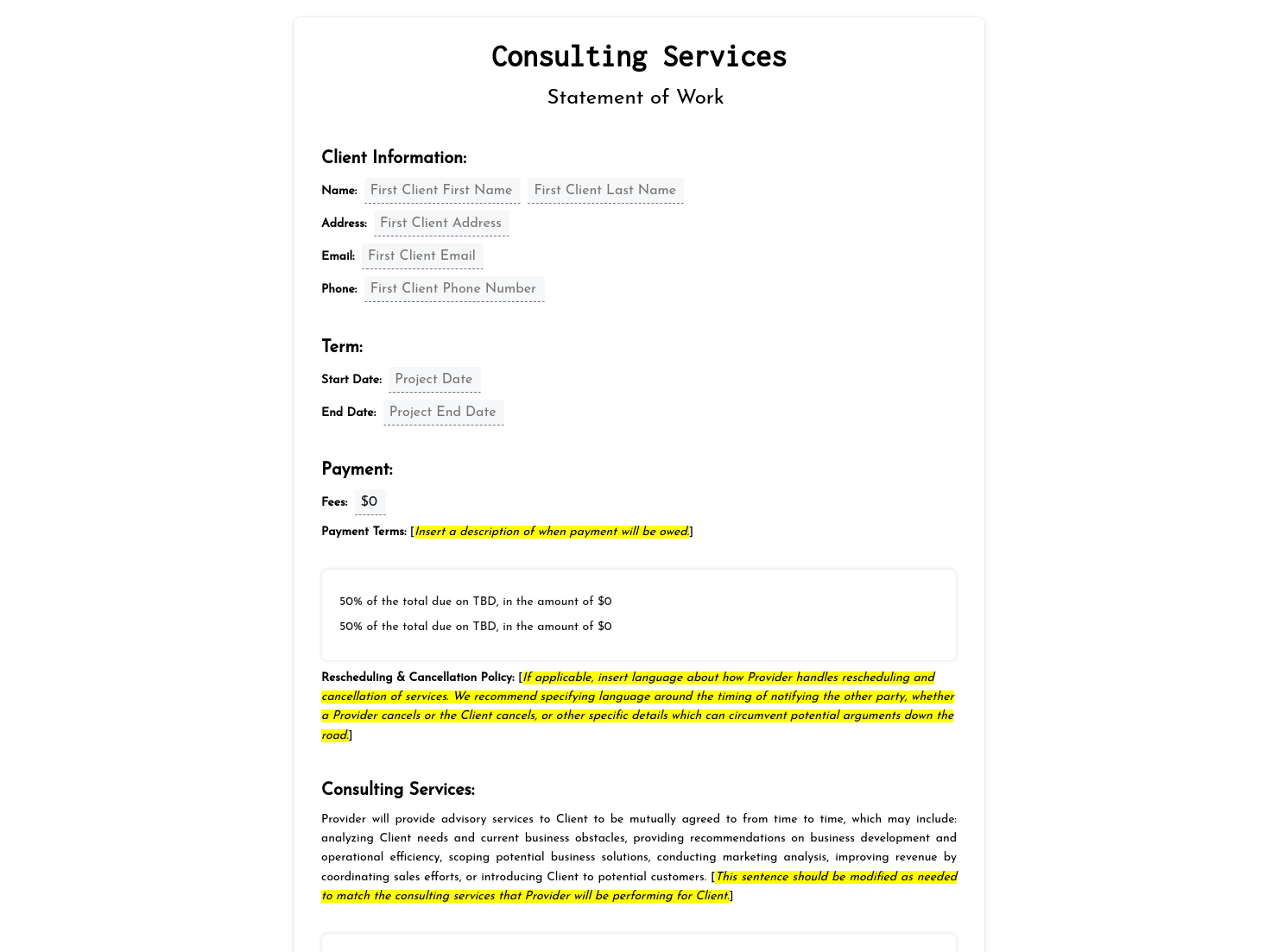
Contract for eSigning
Sign clients easily on the go via eSign with your contracts, or use one of HoneyBook's lawyer-approved contracts

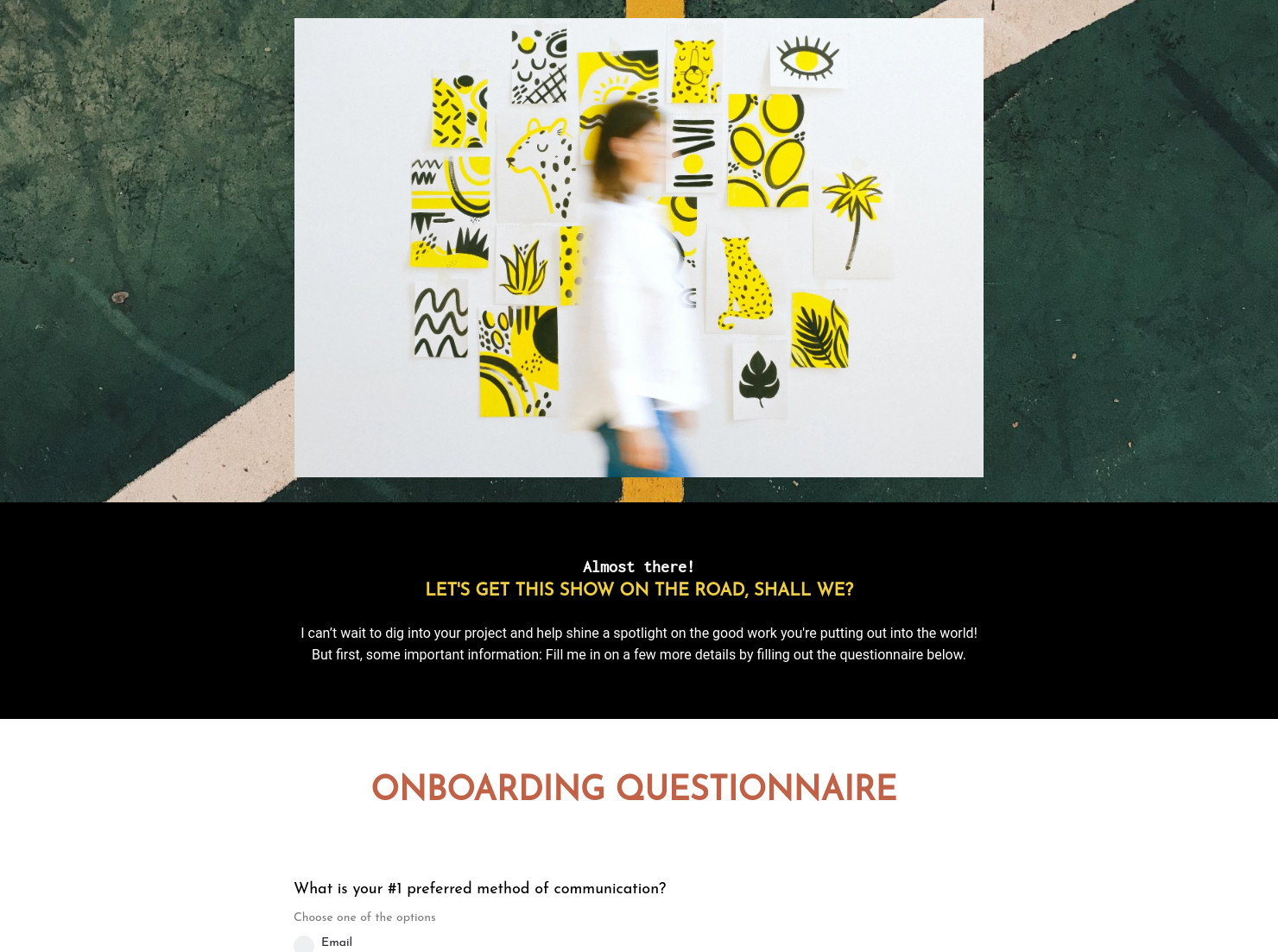
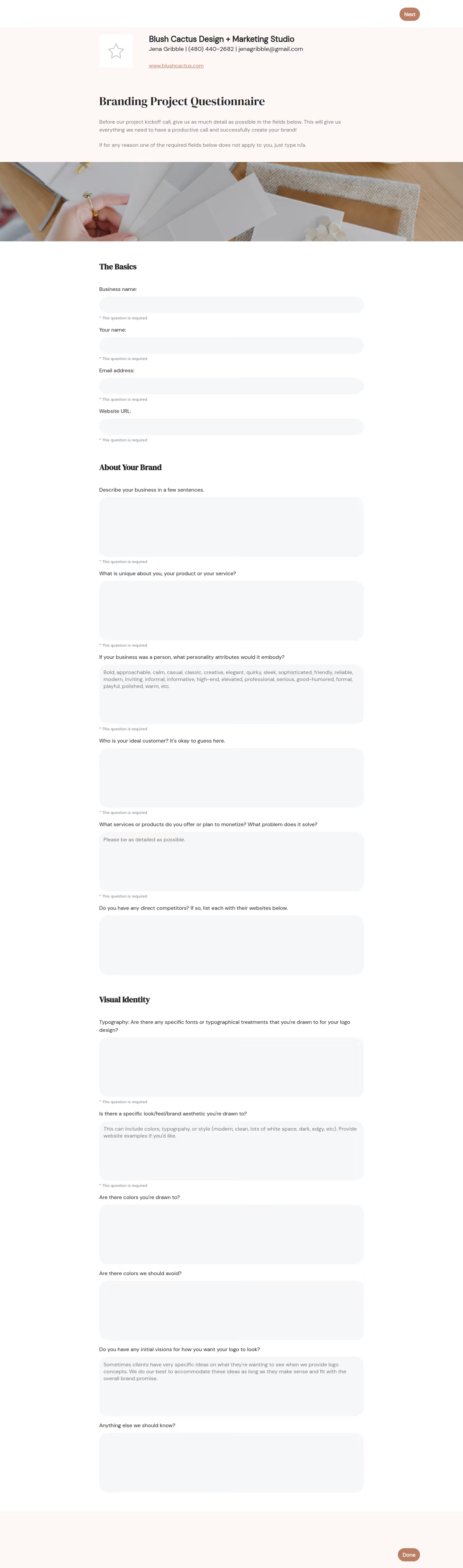
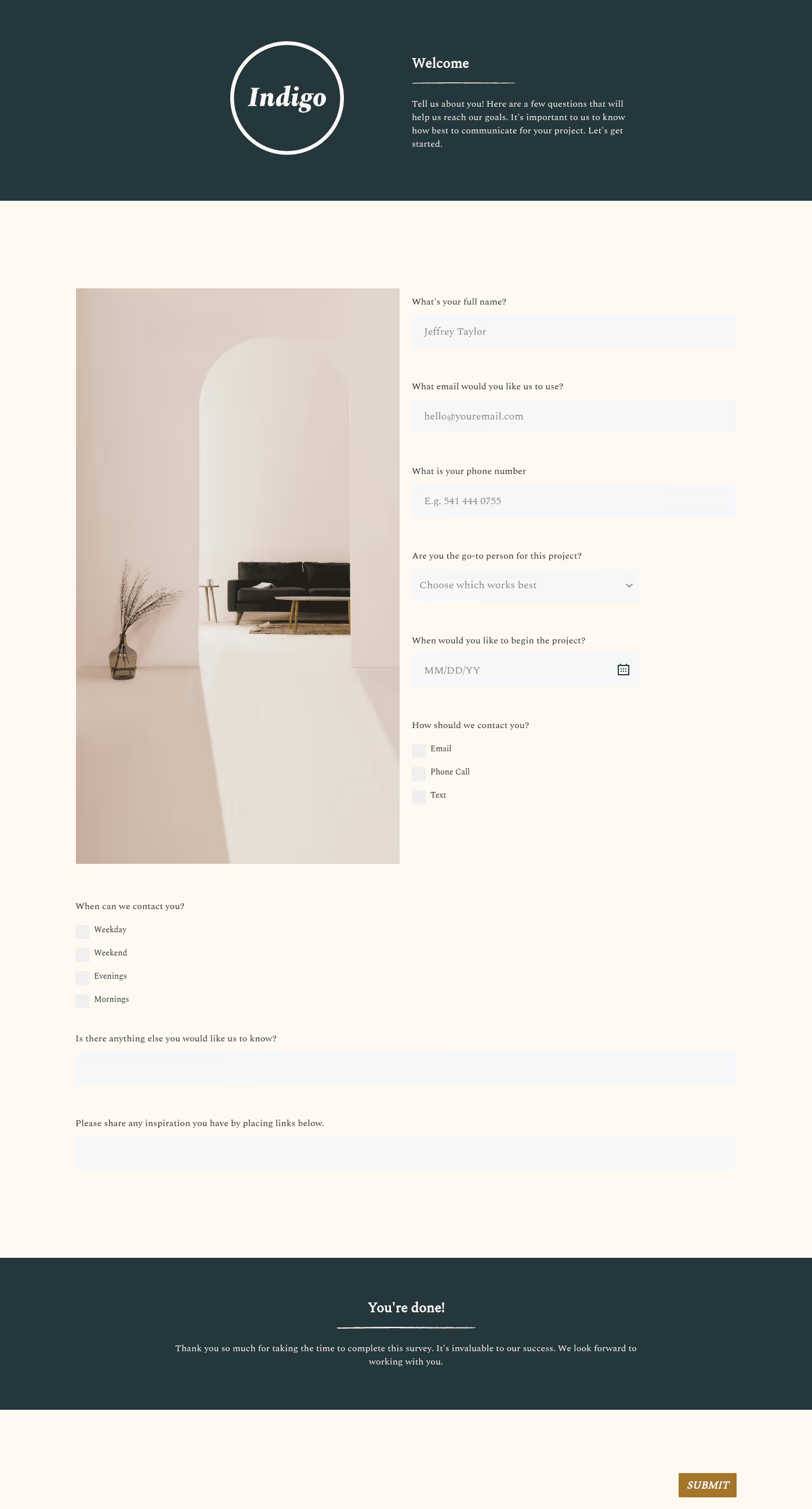
Questionnaire
Get client input, collect project details, and set expectations ahead of—or during—any project.


“
”

October 18, 2026

Best practices for using creative proposal template templates
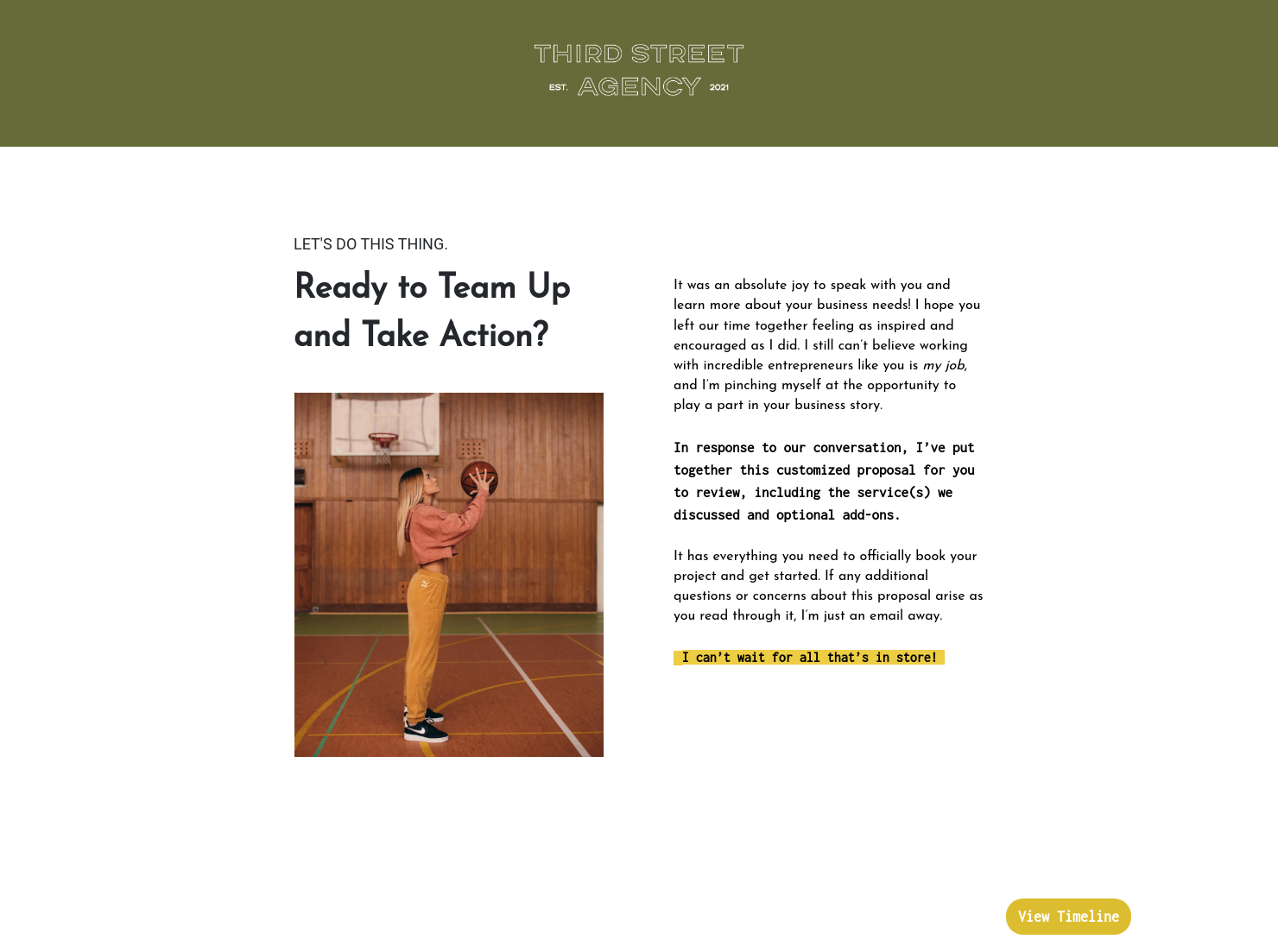
Creative work is unpredictable by nature, but your booking process shouldn't be. When you’re juggling client visions and tight deadlines, a manual proposal process is the first thing that breaks. A proper creative proposal template can be the difference between landing a high-value contract and losing a lead to a more professional competitor. Using a creative proposal template isn't just about saving time. It’s about building a repeatable system that converts. I’ve found that the most successful creatives don't reinvent the wheel for every lead. They use a solid framework that they can tweak and send in minutes.
Most business proposal examples you see online are dry. They look like legal documents rather than a reflection of your brand. A creative proposal needs to do more than list prices. It needs to tell a story and sell your creative skills.
When you use templates for proposals free of charge or through a platform like HoneyBook, you’re creating a professional touchpoint. It shows the client you have a process. It proves you’re an expert. Most importantly, it removes the friction between meeting, saying yes and actually paying.
There are so many things that can go wrong in that simple user journey, so it pays to give your client the smoothest possible route from onboarding through to the final invoice.
I’ve seen a lot of proposals, and the ones that win usually follow a specific set of rules. We want to be human and conversational, but we also need to be accurate. That matters more.
Every creative proposal should include:
- Business and client information
- Description of services, and specific deliverables
- Pricing, fees, or totals
- Dates, timelines, or expiry date for the offer
- Payment terms, follow-up actions. or approvals
- Relevant legal or compliance elements
- Space for signatures or acceptance mechanisms
Focus on the outcome
Don't just list your services. Explain what those services do for the client. If you're a designer, you aren't making a logo; you’re building a brand identity that develops trust. Use a free sample of a business proposal to see how others frame their value proposition.
Keep your pricing transparent
Pricing shouldn't be a mystery. Break down your costs clearly so there is no sticker shock. I like to use a free IT proposal template as a guide for structured pricing, even for creative work. It helps to keep things granular.
Include a clear call-to-action
The biggest mistake is leaving the client wondering what to do next. Your proposal should lead directly into a contract and a payment link. Make it as easy as possible for them to hire you.
A creative proposal template can turn a casual conversation into a signed contract without much additional input. It’s most effective when you need specific boundaries for non-standard work.
Use this template for:
Onboarding new clients: Set the best possible standards from day one.
One-off projects: Define the scope for unique, custom deliverables.
Event-based work: Outlining timelines versus recurring monthly services.
Formal approvals: Getting a digital signature before you start any billable hours.
If you want to move from just sending documents to actually closing deals, you need to think about the user experience.
Mix up your sentences: Use short, sharp sentences for emphasis and longer ones for detail.
Cut fluff: Never employ terms like game-changer. If your service is good, the results will speak for themselves.
Visuals matter: Employ high-quality images of your past work. A creative proposal should be a portfolio in itself.
Catering has a lot of moving parts, and the menu sits in the center. If your catering menu is scattered across emails, texts, and screenshots, mistakes show up at the worst time.
A structured menu template helps in practical ways.
- Builds client trust and a professional first impression.
- Speeds approvals by making choices simple.
- Reduces payment disputes by documenting totals and terms.
- Saves time by cutting back and forth.
That means fewer surprises for clients and fewer fire drills for you.
Choosing the right template
While you can find free proposal templates on various sites, a dedicated tool like HoneyBook lets you integrate your workflow. You can combine your proposal, contract, and invoice into one file. This is a massive time-saver for both you and your client. If you are looking for a free it proposal template or general business proposal examples, look for ones that allow for high customization. Your brand should be front and center, not the template's brand.
FAQs
Below are quick answers to common questions from caterers building a catering menu that clients can approve with confidence.
At a minimum, you need a project overview, a detailed scope of work, clear pricing, and a space for the client to sign.
Keep it short. Most clients will skim through the details and head straight for the pricing. Aim for enough detail to exhibit expertise without burying the lead.
Yes, using free samples of a business proposal is a great way to get started. Just make sure you customize the language to fit your specific voice and client needs.
Be very specific in your scope of work section. List exactly what is included and, sometimes more importantly, what isn't.
Related templates
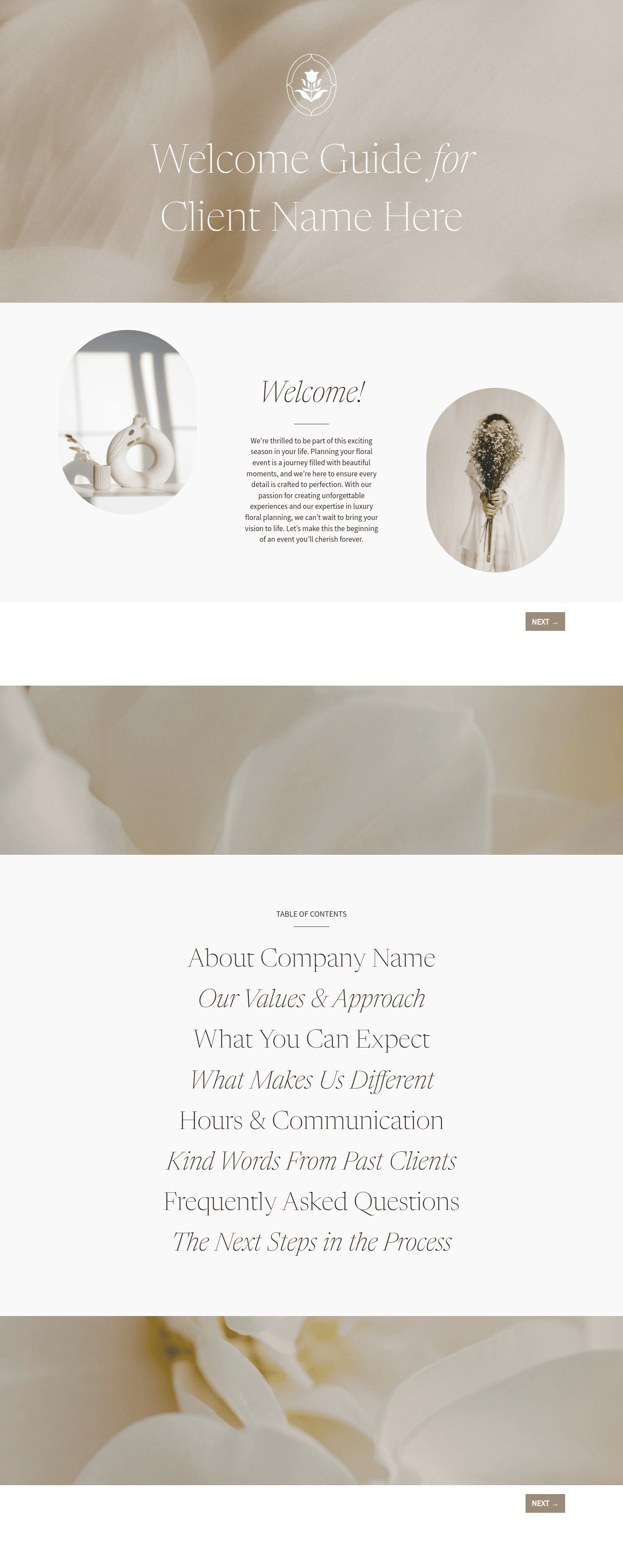

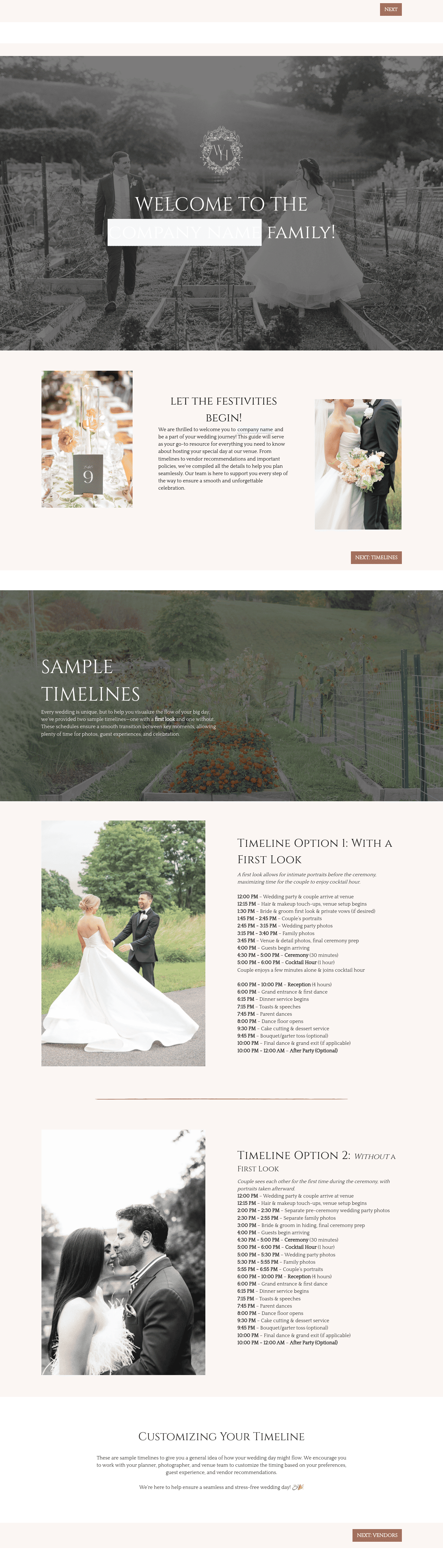


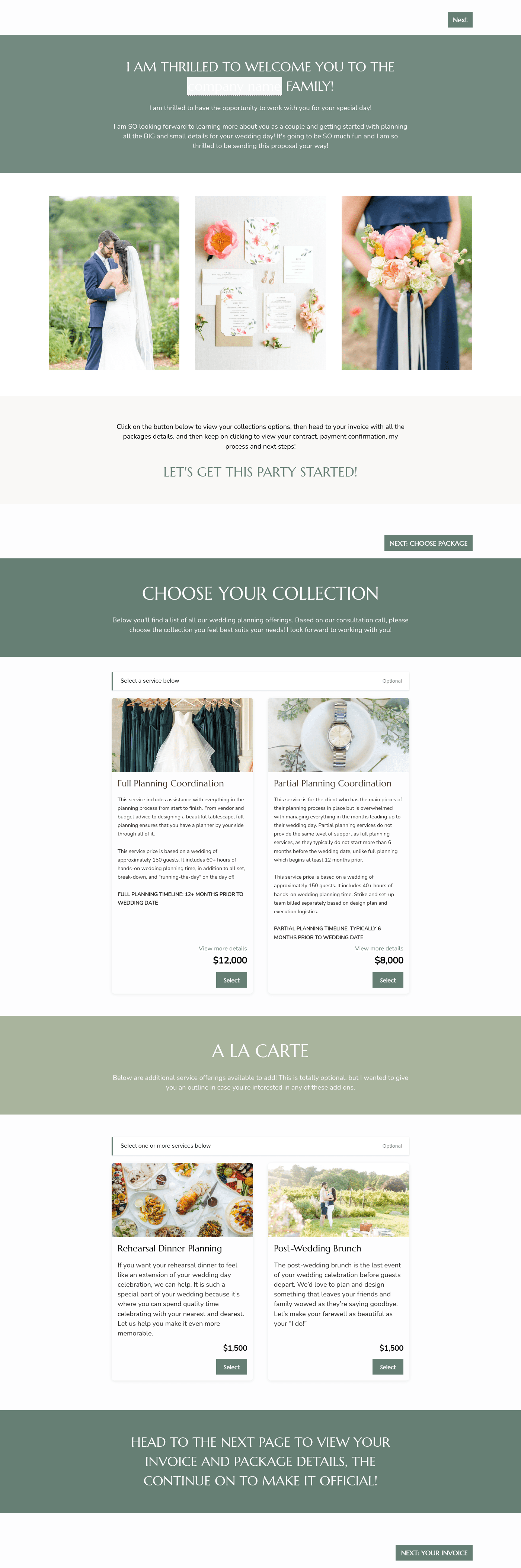

Related Templates
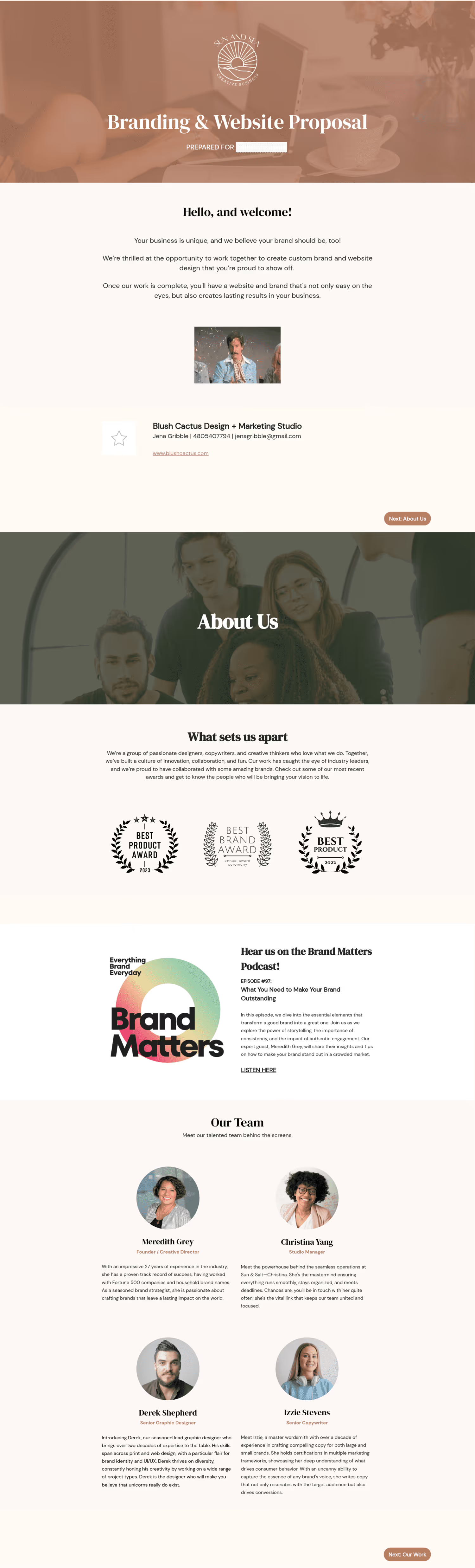
.png)
.png)

.png)
.avif)

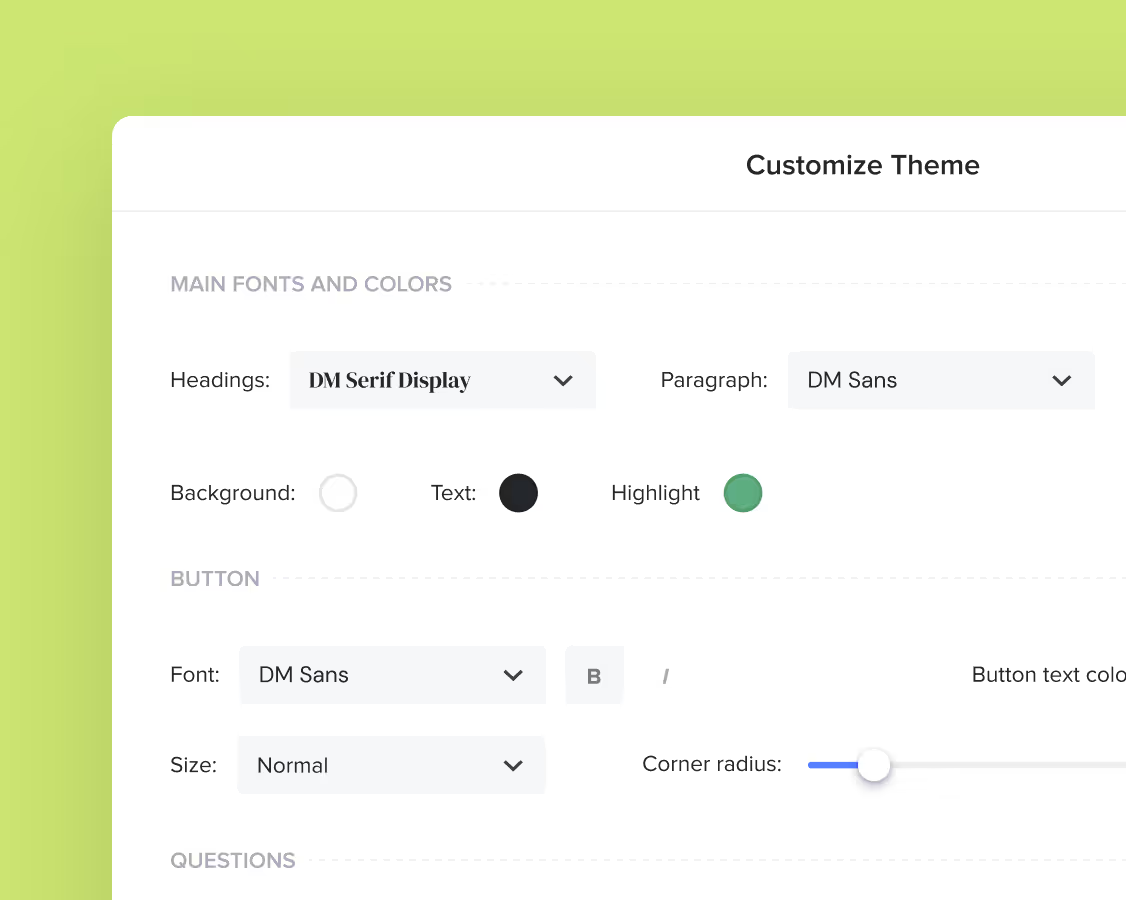
Make it your own
Fully customize the template to fit your needs. Quickly apply your company branding with just a few clicks.
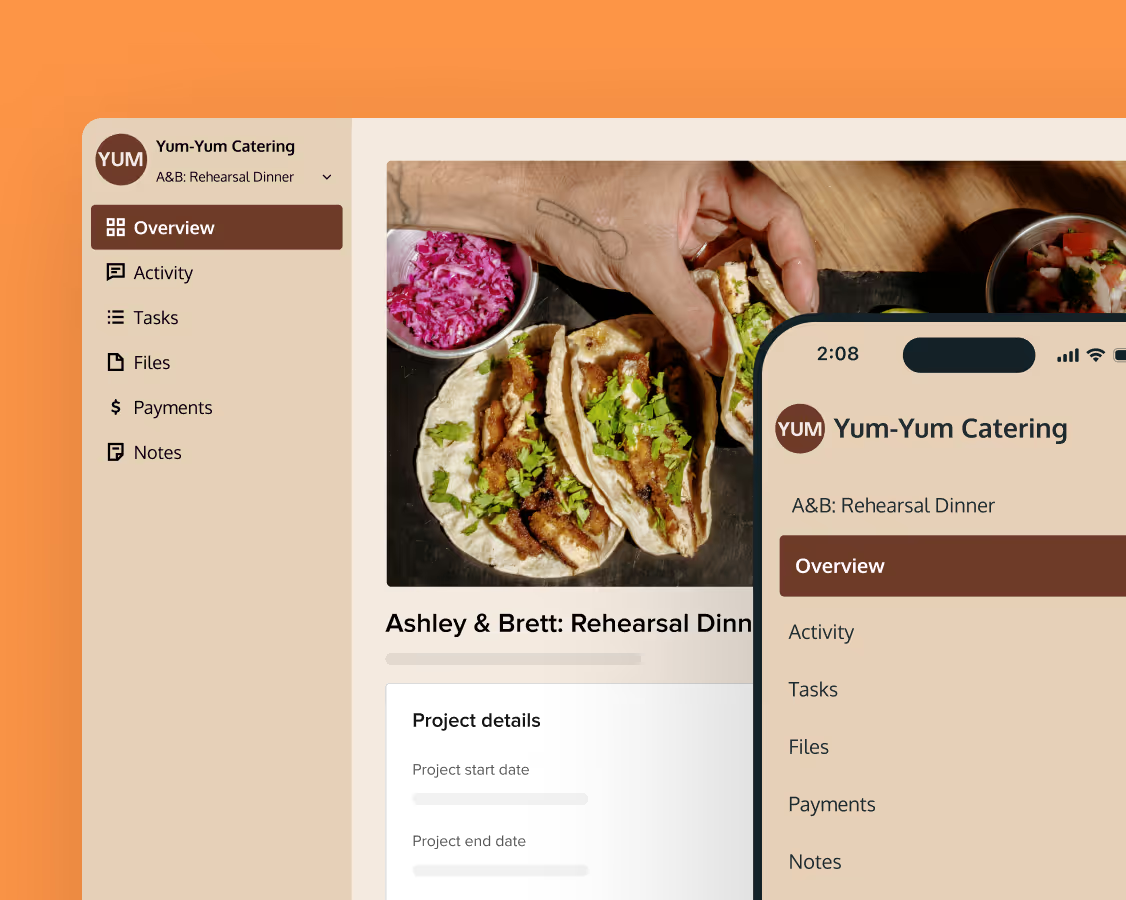
Share with clients
Create exceptional client experiences through HoneyBook’s dedicated client portal, allowing them to read, review, and take action from any device.
Reuse and scale
Use your customized files with different clients again and again to save time and make managing client interactions that much easier.
Join the 100,000+ businesses growing with HoneyBook.