











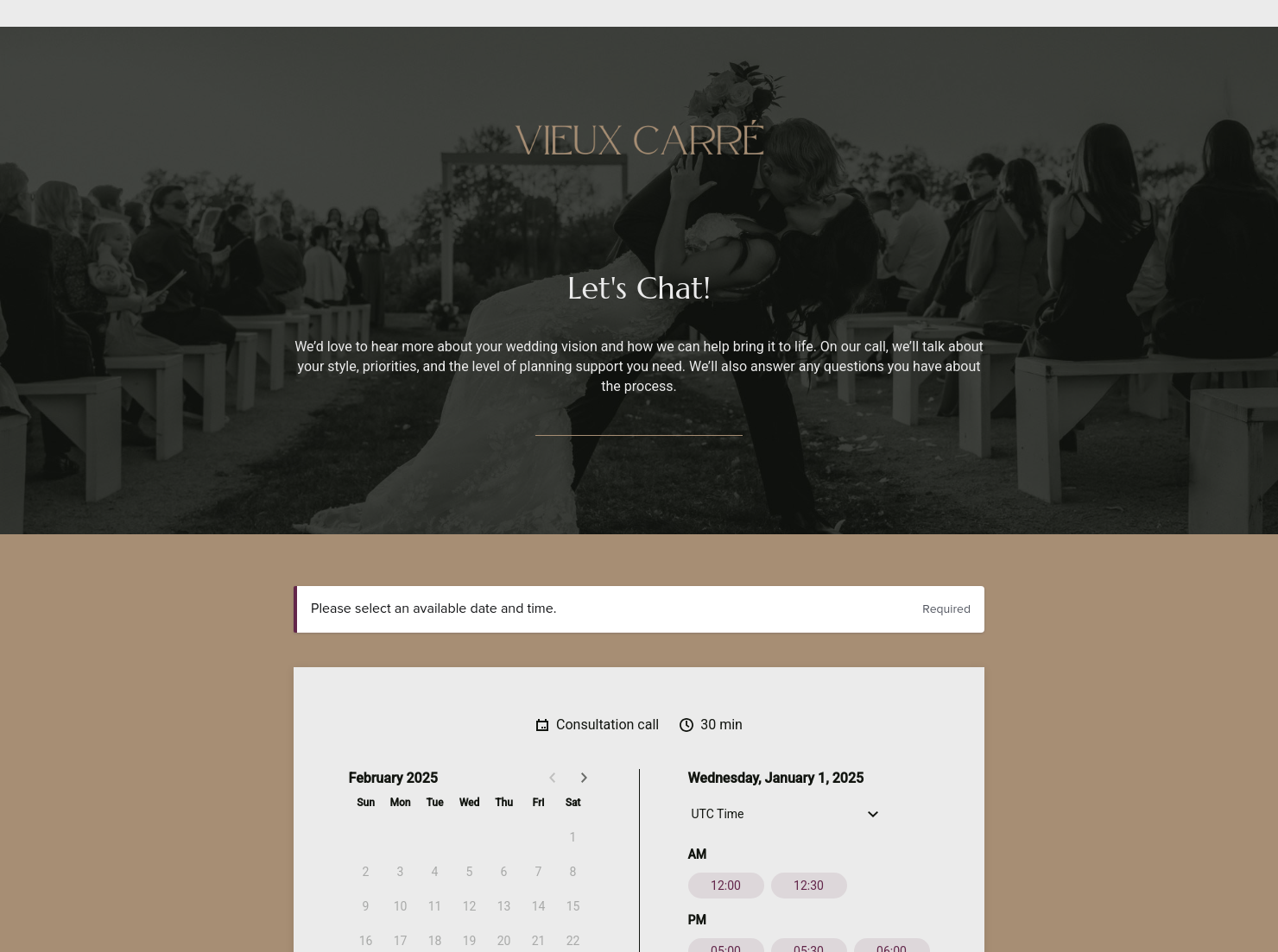

Scheduling

Let clients book meetings, sessions, or appointments during your available time slots.

Services
Showcase your services for easier client booking.


“
”

October 18, 2026

How To Use Your Event Planner Investment Guide To Set Clear Expectations
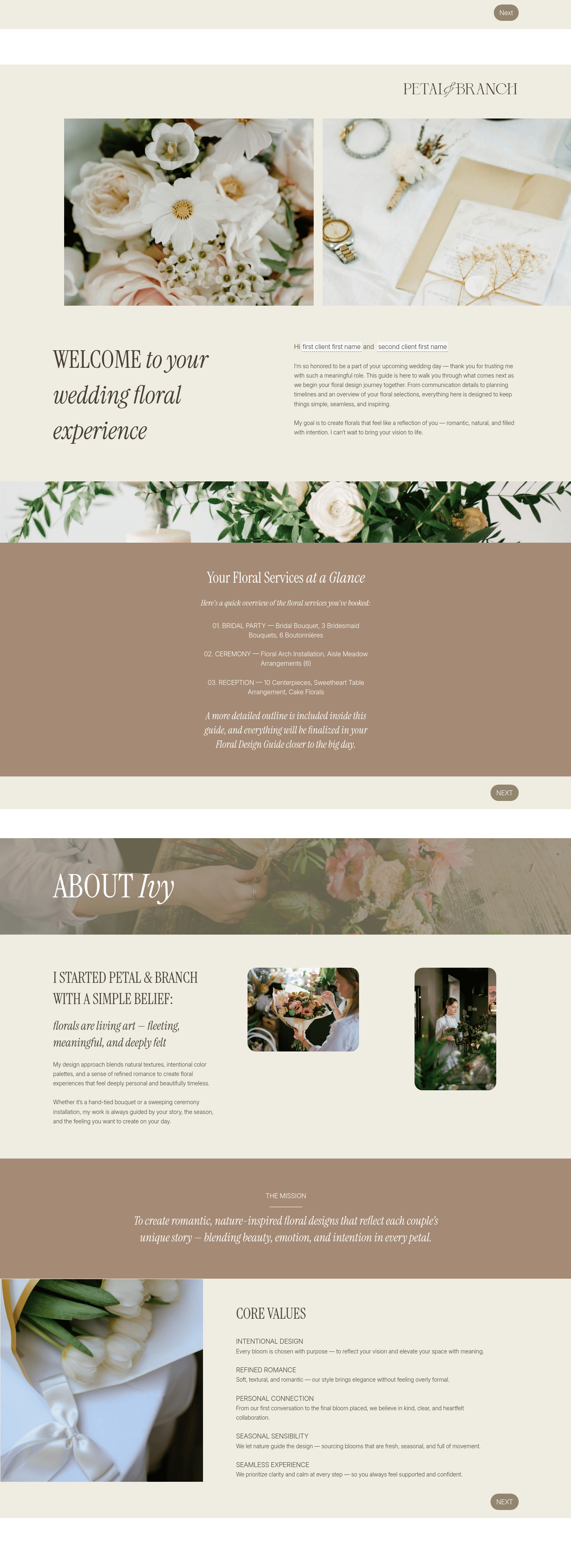
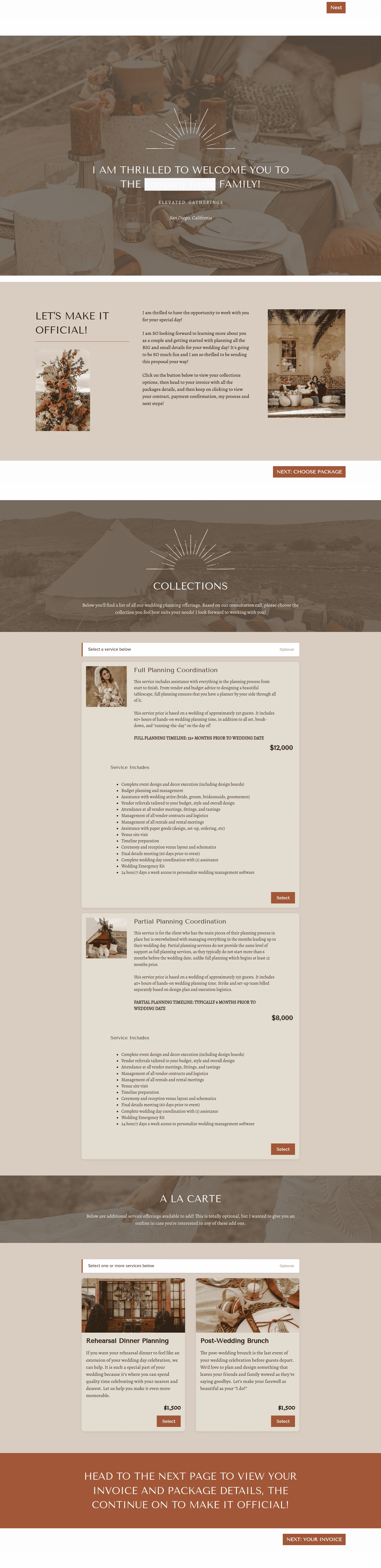
An event planner investment guide is one of those documents that does a lot of work before a contract ever goes out. It gives your lead a clear look at your services, pricing, process, and what to do next. In most event workflows, it shows up after the first inquiry and before booking.
Event planning is personal, expensive, and full of details. Clients are often making fast judgments based on how clearly you explain your work. If your pricing is vague or your packages feel hard to compare, people start filling in the blanks on their own. That is where confusion starts.
A strong guide can help you:
- Build trust with a polished first impression.
- Help leads compare packages without guessing.
- Cut down on pricing questions and surprise fees.
- Keep next steps clear so the conversation keeps moving.
That is why many event planners pair this file with our proposal tools and our meeting scheduler. It gives your lead one place to review the offer and take action.
A strong event planner investment guide should answer the questions people are already asking in their heads.
- Business and client information: Include your business name, logo, contact details, and the client’s name and event details.
- Services and scope: Show what each package includes, what level of support comes with it, and where the limits are.
- Pricing and fees: List your package pricing, add-ons, and any extra costs that may apply.
- Dates and timing: Include the event date, proposal expiration, and booking deadlines if needed.
- Payment terms and next actions: Explain deposits, payment timing, and what the client should do next.
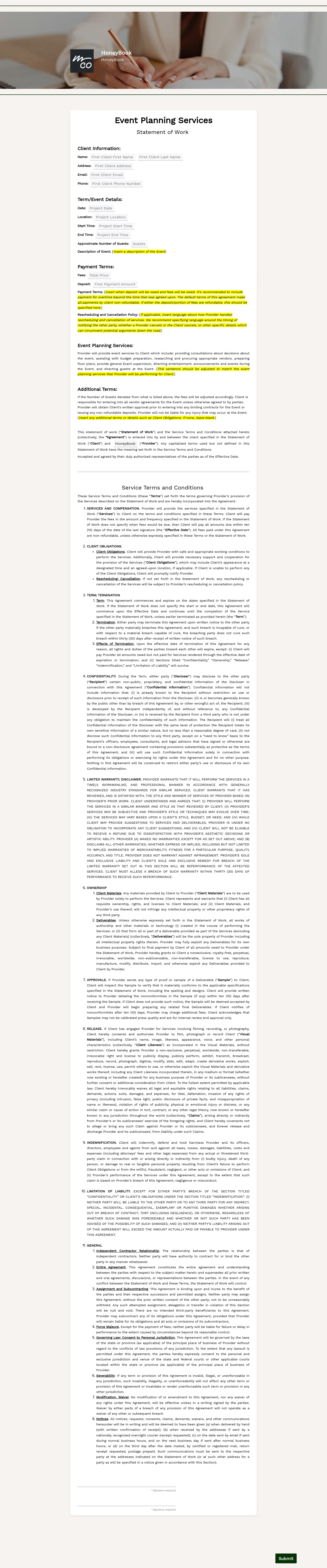
- Policies: Add cancellation, rescheduling, travel, or venue-related terms that affect the project.
- Acceptance path: Make the next move simple. With our files and templates resources, you can connect service details, scheduling, contracts, and invoices in one client experience.
That list may sound basic, but missing even one of those pieces can create friction later.
The best event planner investment guide does not read like a flyer. It reads like a confident explanation of how you work. Clients should come away knowing what you offer, what it costs, what makes each option different, and what happens after they decide.
A wedding, a corporate event, and a private dinner can all require very different support. Your guide should make those differences easy to understand. If you offer full planning, partial planning, month-of support, or day-of coordination, spell that out in plain language. Do not assume people know the difference. Many do not.
It also helps to make the guide feel personal. A few event details, a short note about the client’s goals, or a package recommendation can change the tone of the whole file. Inside our template library, you can update colors, fonts, images, pricing tables, and sections so the guide feels like your brand instead of a generic handout.
This template is most helpful during the stage where a lead is interested but not ready to book. They have made contact. They like your work. They may even be comparing you with a few other planners. What they need now is clarity.
That makes an event planner investment guide a strong fit for new inquiries, custom event work, package-based offers, and projects that need review before formal approval. It also works well when you want someone to learn about your services before a call, not during one.
Catering has a lot of moving parts, and the menu sits in the center. If your catering menu is scattered across emails, texts, and screenshots, mistakes show up at the worst time.
A structured menu template helps in practical ways.
- Builds client trust and a professional first impression.
- Speeds approvals by making choices simple.
- Reduces payment disputes by documenting totals and terms.
- Saves time by cutting back and forth.
That means fewer surprises for clients and fewer fire drills for you.
Get Started With An Event Planner Investment Guide
A ready-made event planner investment guide gives you a solid starting point. You do not have to build the whole thing from scratch every time a lead reaches out. You can start with the structure, shape it to fit your brand, and send a file that feels clear, thoughtful, and ready to book.
FAQs
Below are quick answers to common questions from caterers building a catering menu that clients can approve with confidence.
It is a client-facing document that explains your services, pricing, process, and next steps. A strong event planner investment guide helps clients understand the value behind your work, not just the numbers on the page.
Most planners send it after the first inquiry and before the contract stage. It works best when a lead needs more detail before deciding if they want to move forward.
It should include your services, package details, pricing, timing, payment terms, policies, and a clear next step. The more clearly you define the scope up front, the fewer misunderstandings you are likely to run into later.
Our templates help you cut repeat setup work between inquiry and booking. They make it easier to reuse what already works, keep your process consistent, and give clients a smoother experience. You can explore more in our Help Center collection for files and templates.
Yes. We let you update fonts, colors, images, pricing tables, contract language, and messaging so your files feel like your business. We cover that in our guide to customizing Smart File pages.
Yes. Our mobile app lets you create, edit, send, and manage many file types while you are away from your desk. We explain more in our article on creating an invoice Smart File on mobile.
Related templates
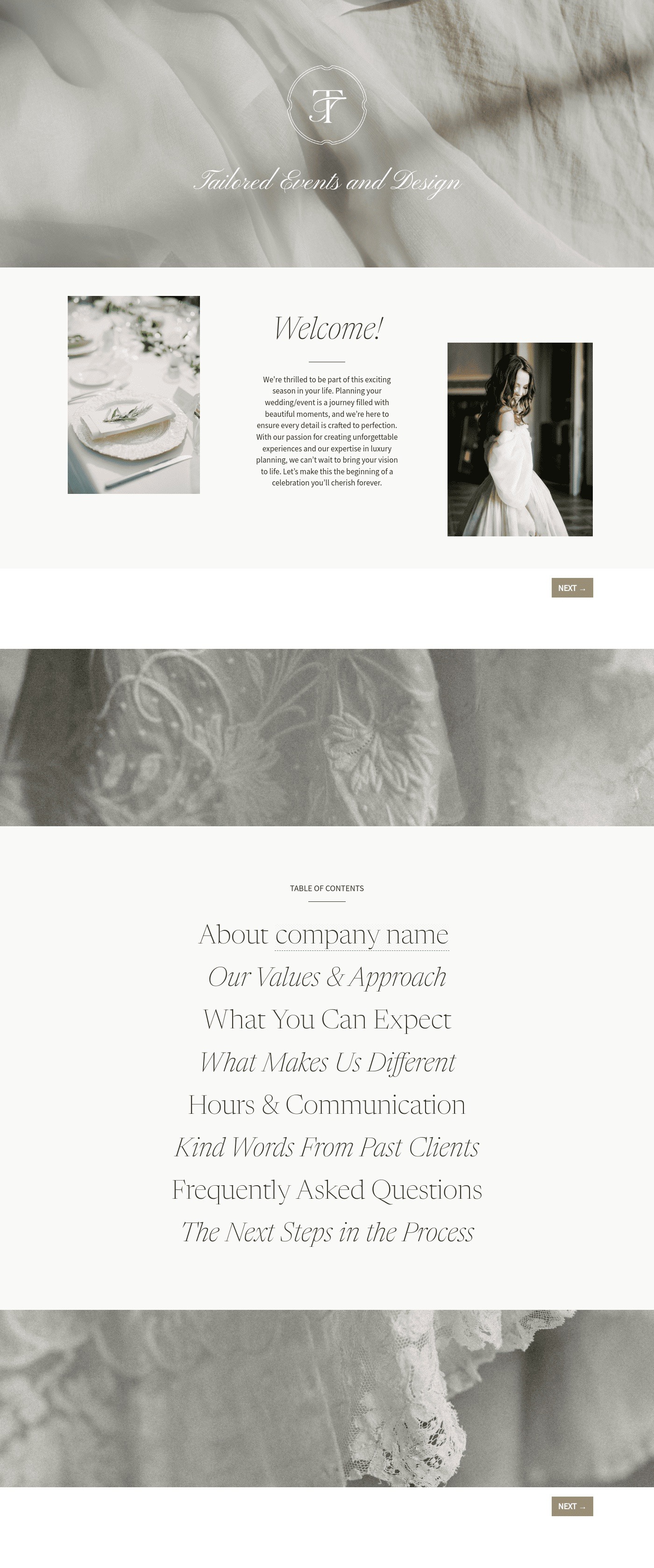
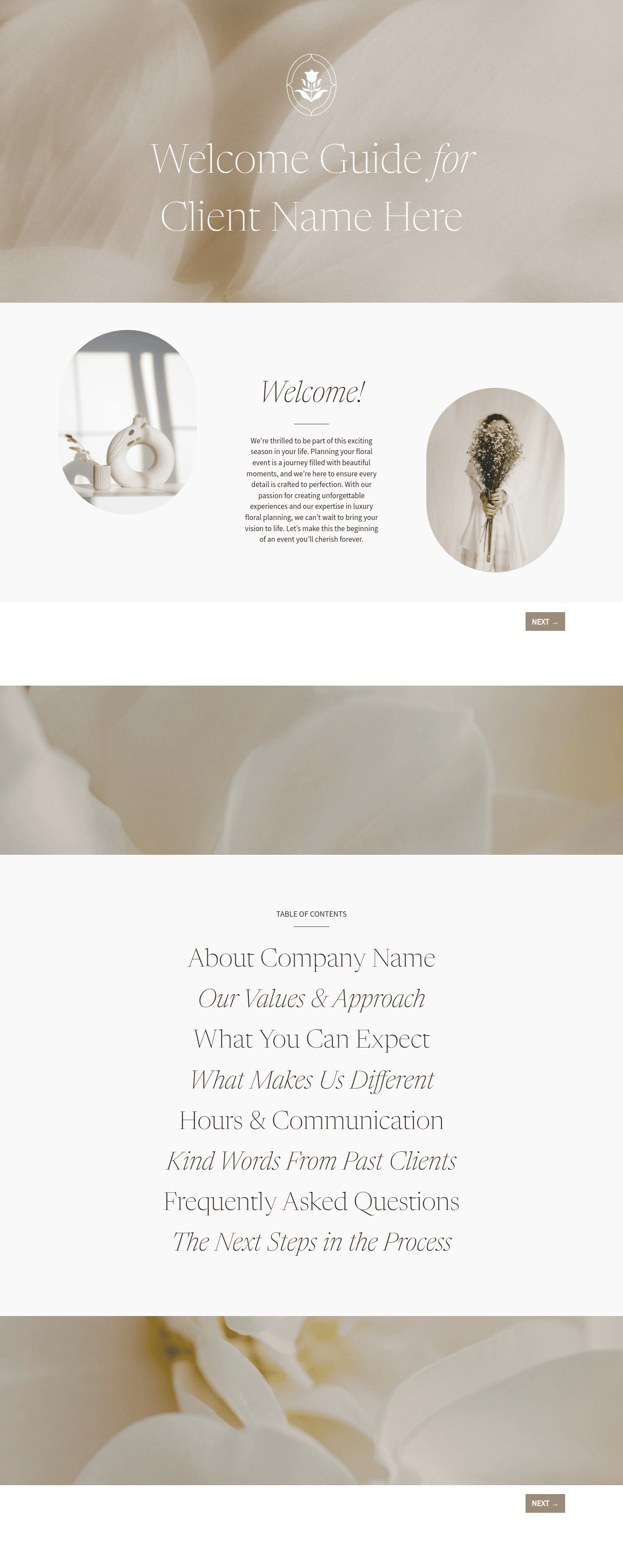

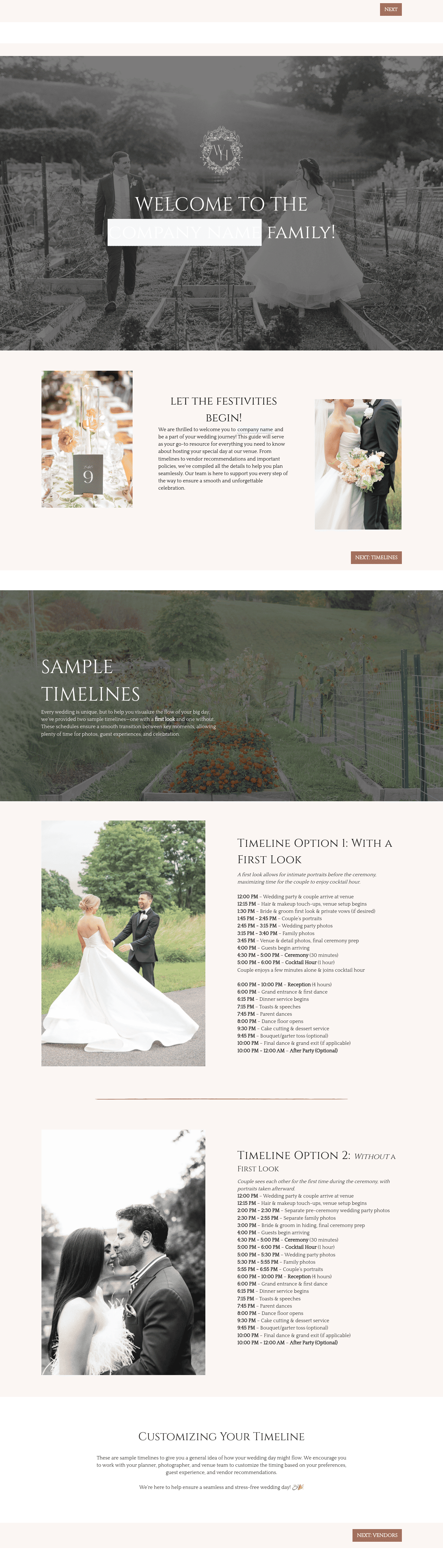


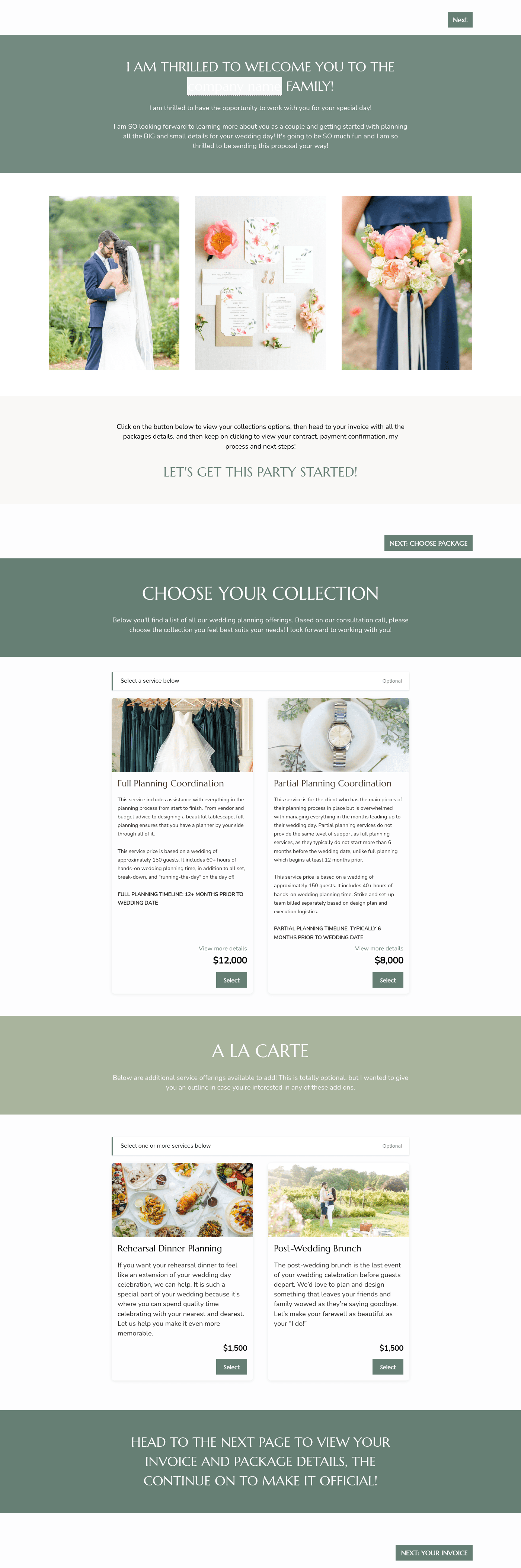

Related Templates

.png)


.png)
.png)
.png)
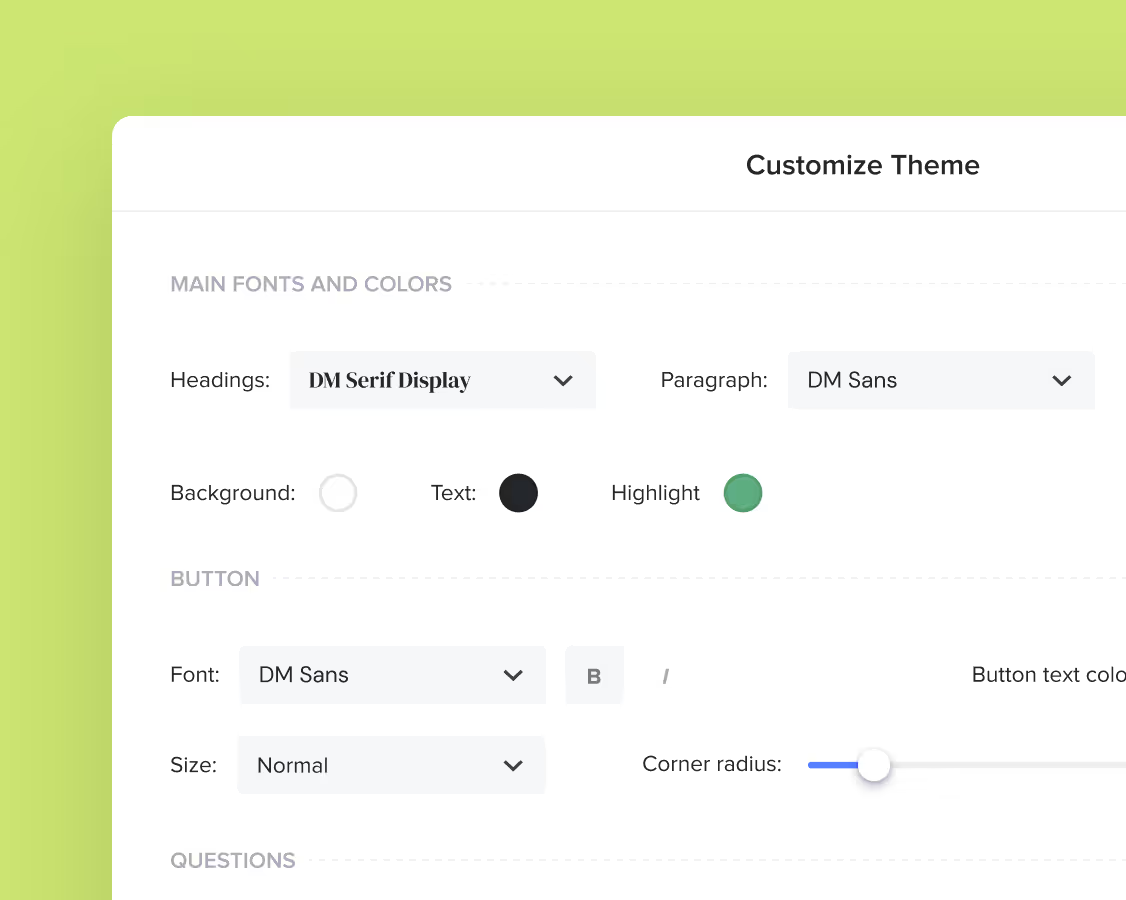
Make it your own
Fully customize the template to fit your needs. Quickly apply your company branding with just a few clicks.
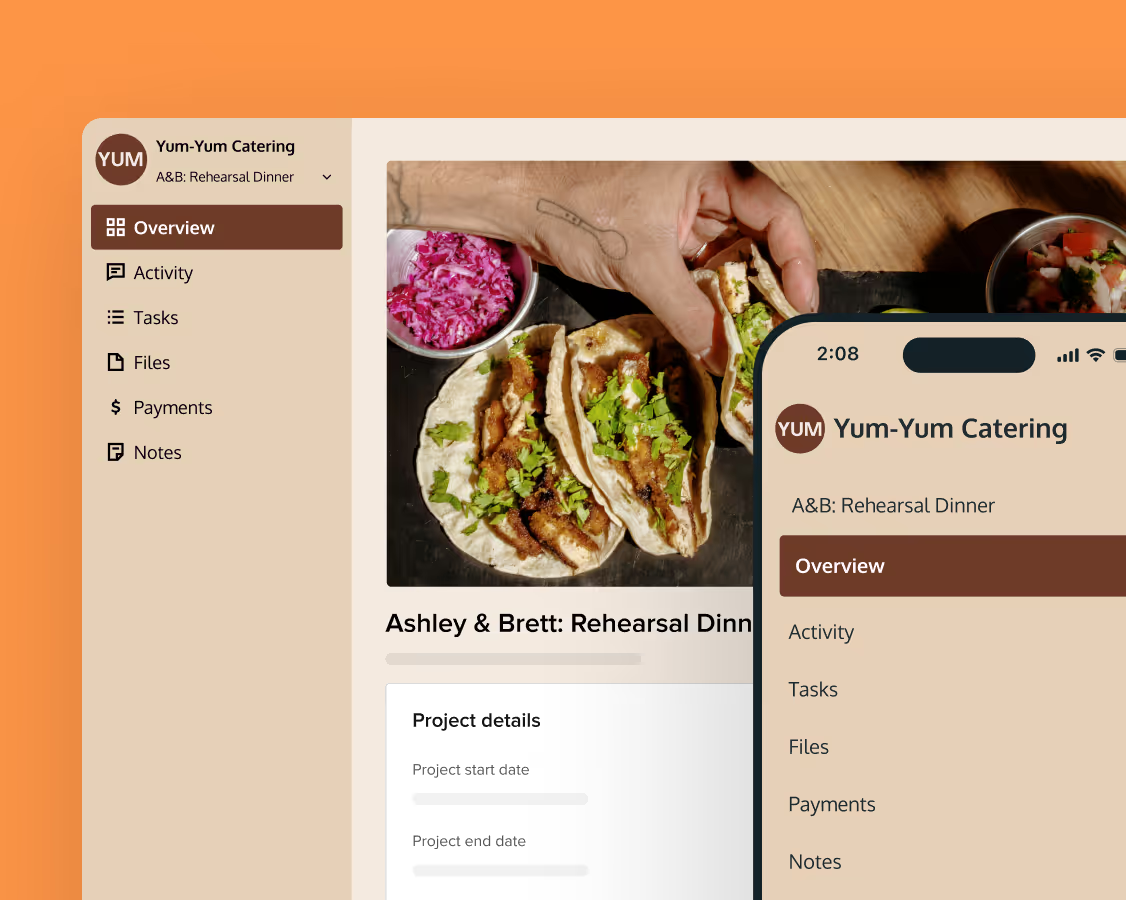
Share with clients
Create exceptional client experiences through HoneyBook’s dedicated client portal, allowing them to read, review, and take action from any device.
Reuse and scale
Use your customized files with different clients again and again to save time and make managing client interactions that much easier.
Join the 100,000+ businesses growing with HoneyBook.