











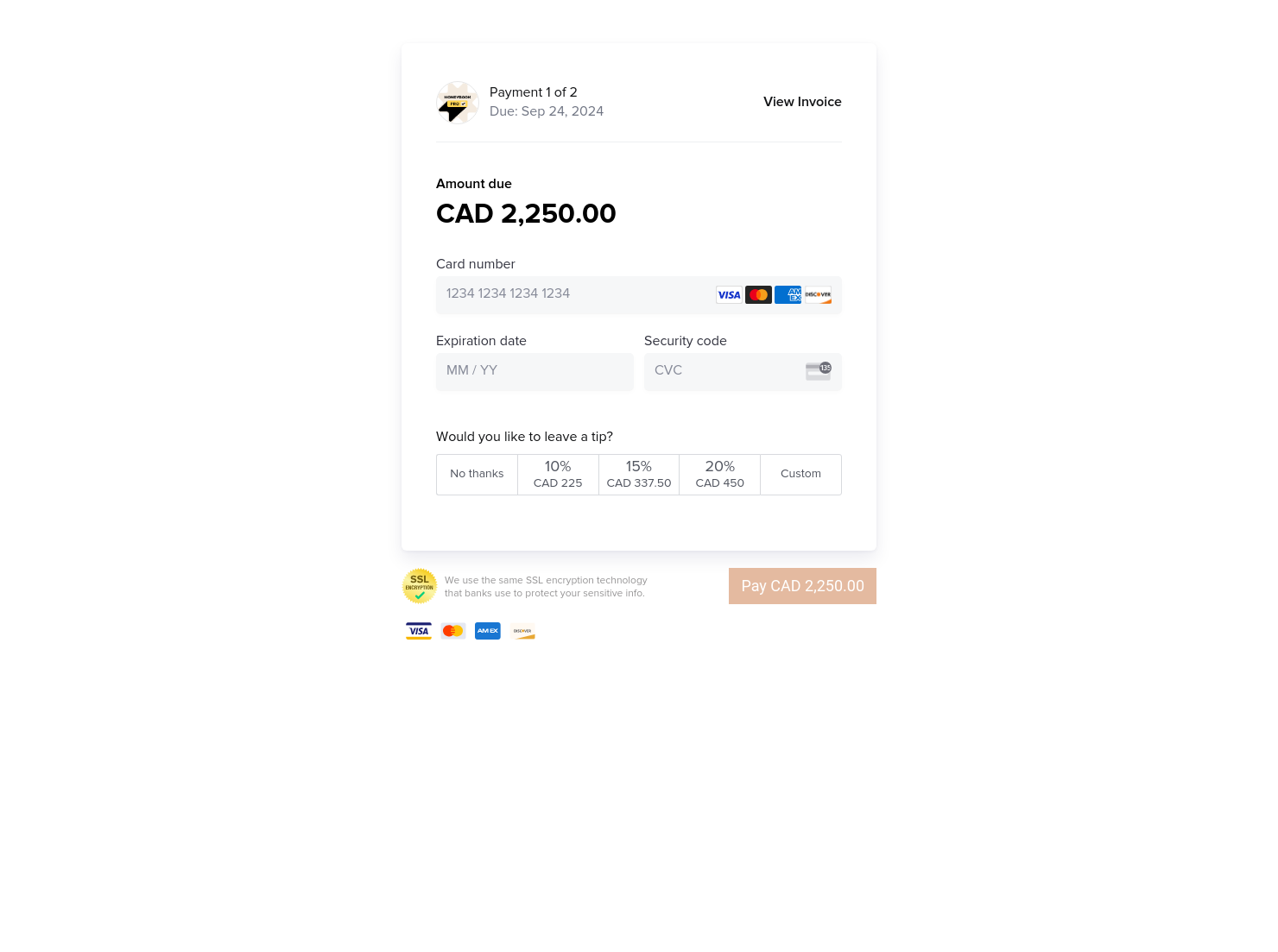

Invoice & online payments

Make it easy for clients to book and pay for your services–all in one file.

Contract for eSigning
Sign clients easily on the go via eSign with your contracts, or use one of HoneyBook's lawyer-approved contracts

Ready-to-use copy
Templates come filled with prewritten copy you can use as is or edit to match your brand and business.


“
I use this template after the clients have scheduled a tour or after they have submitted their pricing guide. Send this booking file to secure the date!
”
-copy.avif)
October 18, 2026

Best practices for using event venue proposal templates
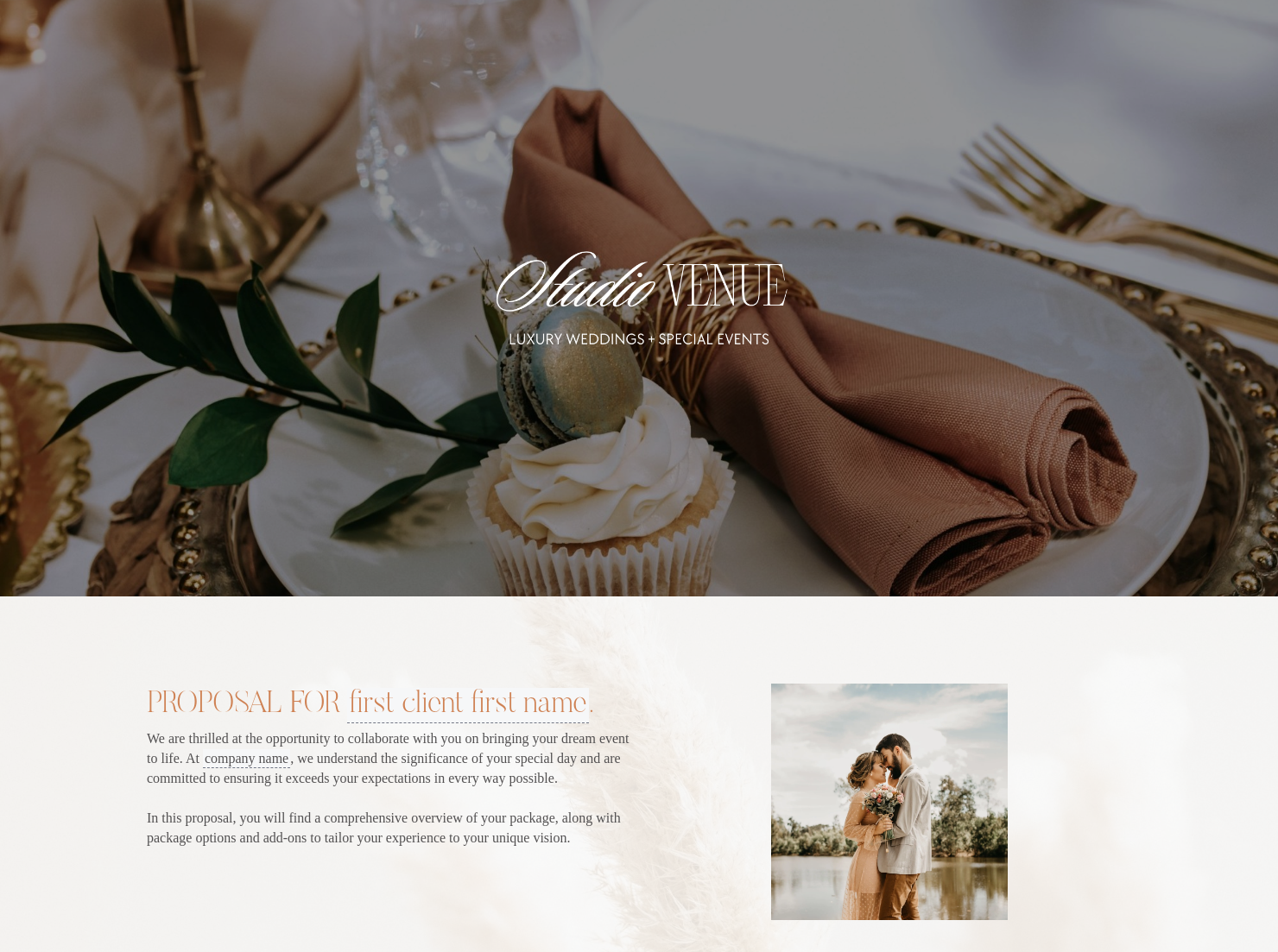
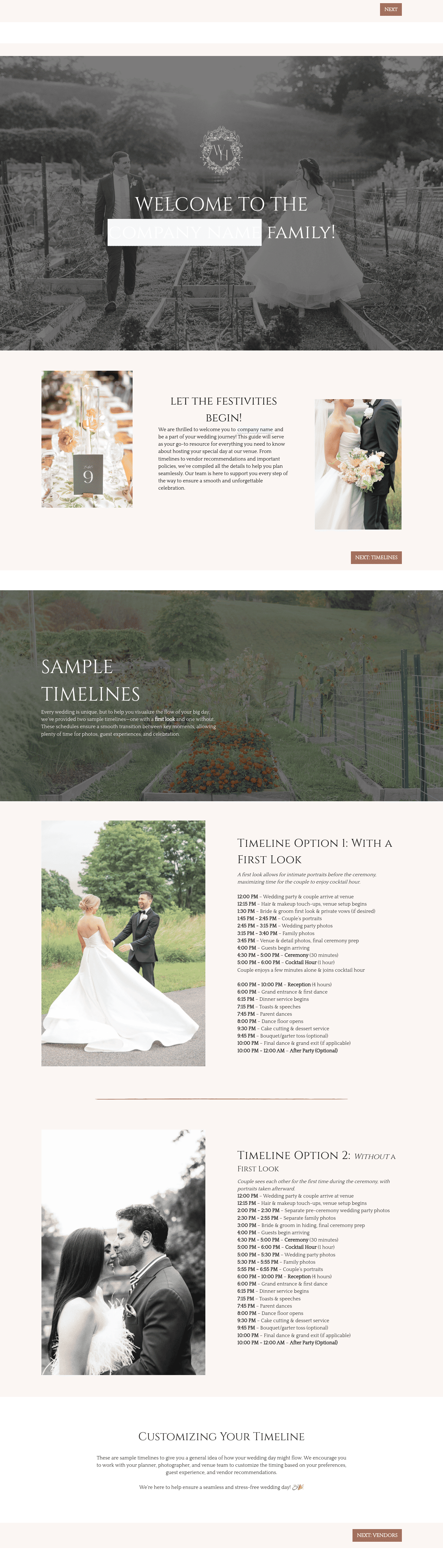
An event venue proposal outlines how a venue can host and support a client’s event. Venue owners and managers, as well as event planners, use this document to present venue details, logistics, pricing, and availability for a specific event. A clear event venue proposal can help clients understand how the space will work for their event, while making it easier for planners and venue teams to communicate expectations.
Choosing the right venue is one of the most important decisions in event planning. Clients often review multiple venues before making a final choice, so proposals must clearly communicate the value and capabilities of the space.
A well-structured event venue proposal helps:
- Present venue features and services clearly
- Outline pricing, capacity, and availability
- Show how the venue supports the event’s goals
- Reduce confusion about logistics or requirements
When clients receive a clear proposal, they can compare options and move forward with booking more confidently.
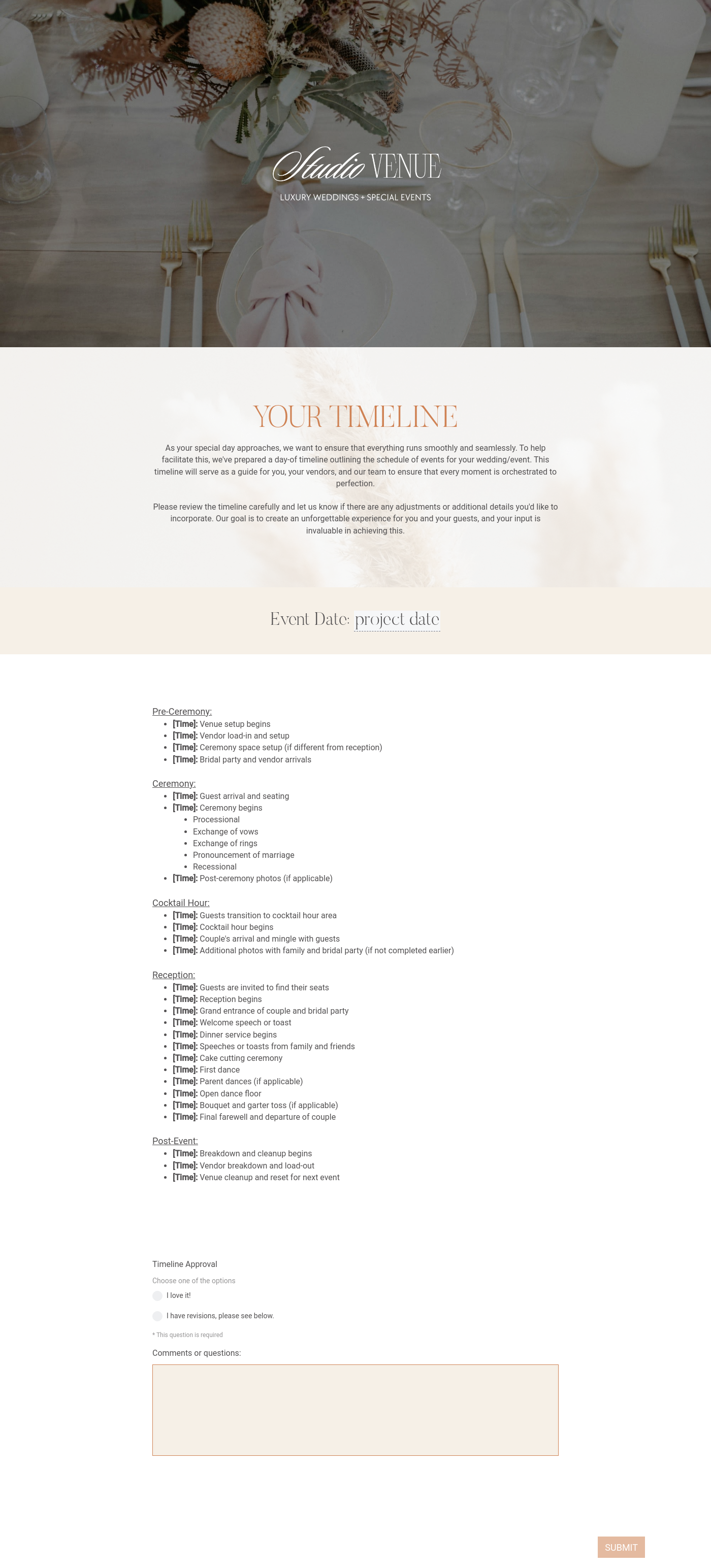
A professional event venue proposal should include several key sections that explain how the venue will support the event.
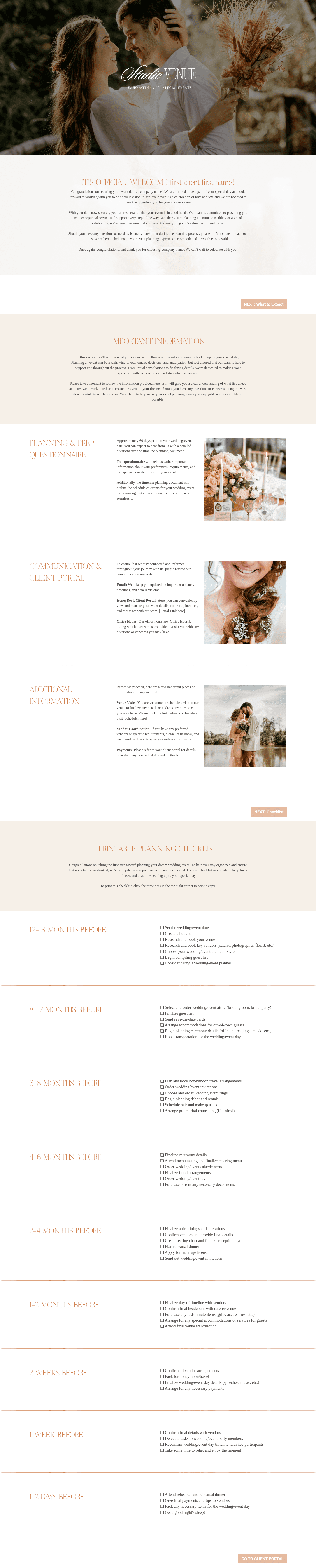
- Business and client information: Contact details for the venue and the client requesting the proposal.
- Event overview: A brief description of the event, including the event type, proposed date, and expected guest count.
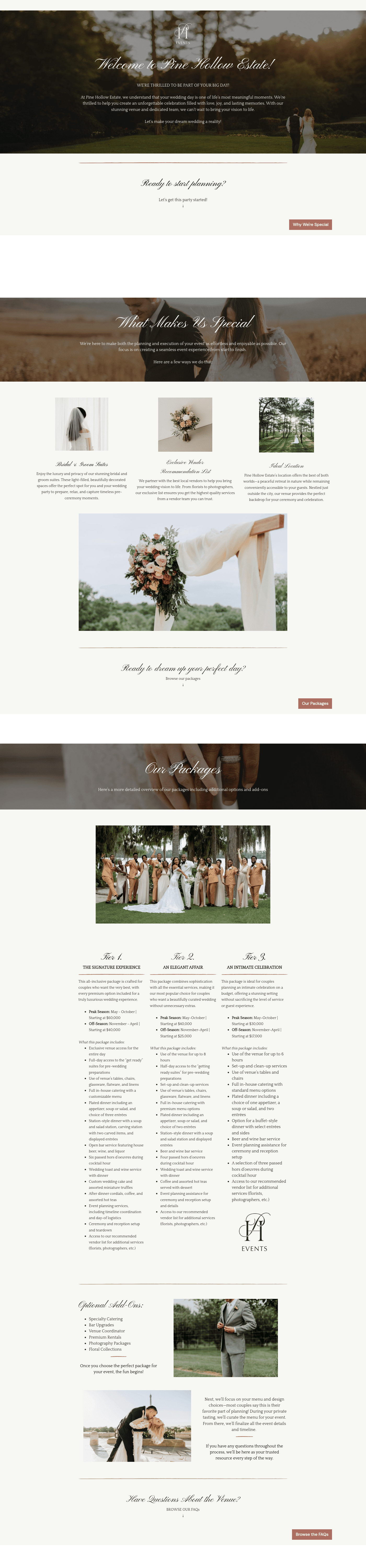
- Venue description: Paint a picture of the space's vibe and unique selling points (e.g., "historic mid-century elegance") along with capacity limits, and layout or space transition options (e.g., "ceremony to reception"). Include the venue's amenities like catering, drinks, and seating.
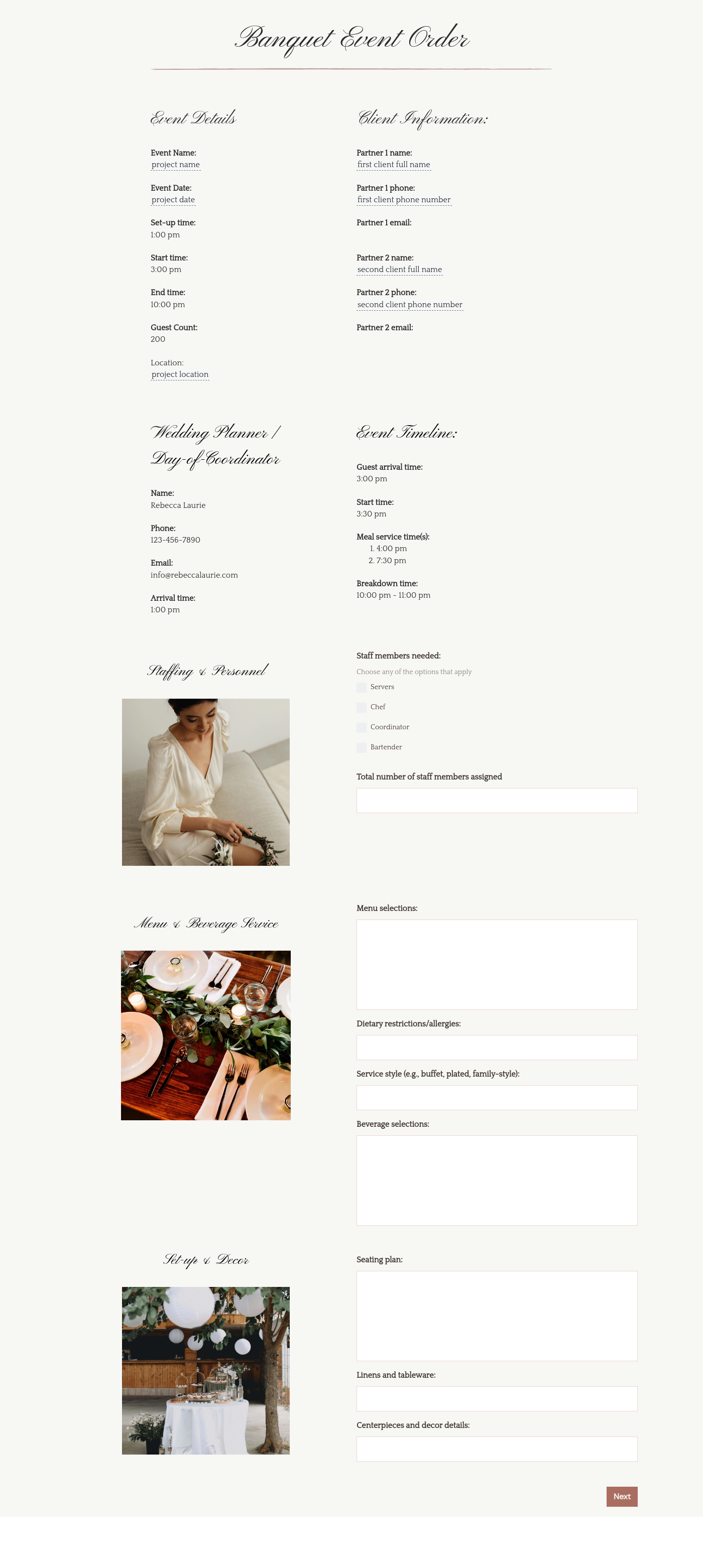
- Event logistics: Describe particulars about setup and breakdown windows, vendor access guidelines, parking, and any operational guidelines for using the venue.
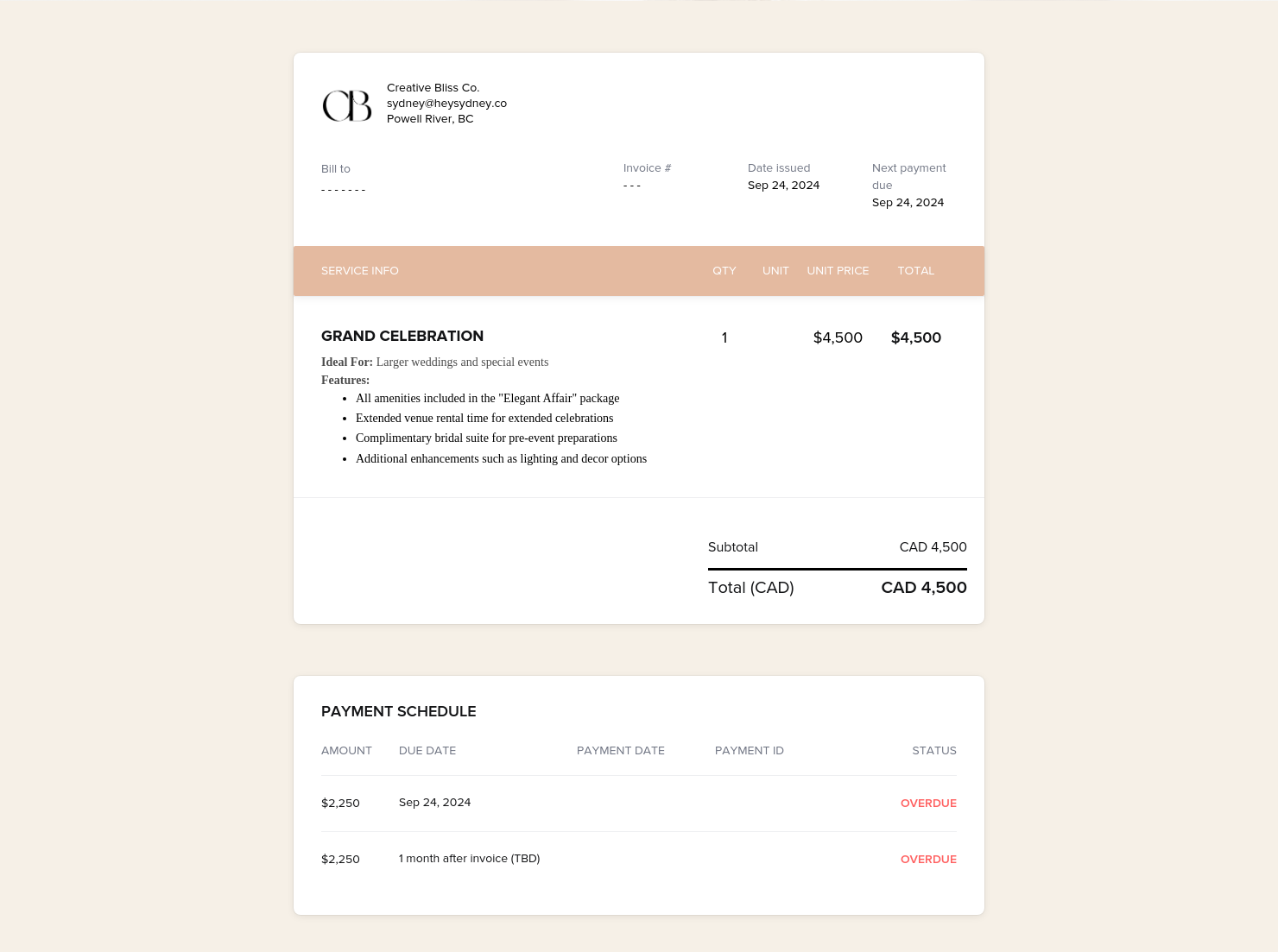
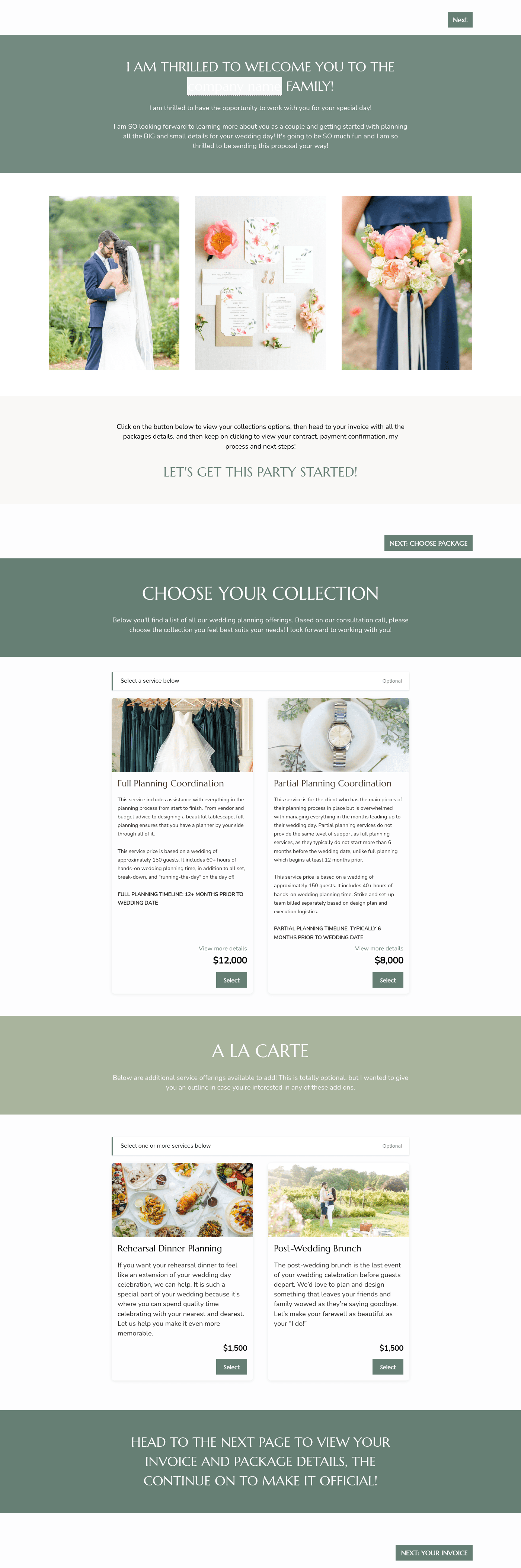
- Pricing and payment terms: Spell out the rental cost, including minimum spend, deposit requirements, off-peak vs. on-peak pricing, and payment schedule to reserve the venue. Include the cost for any optional add-ons.
- Services and add-ons: Optional services such as catering coordination, equipment rentals, or event support.
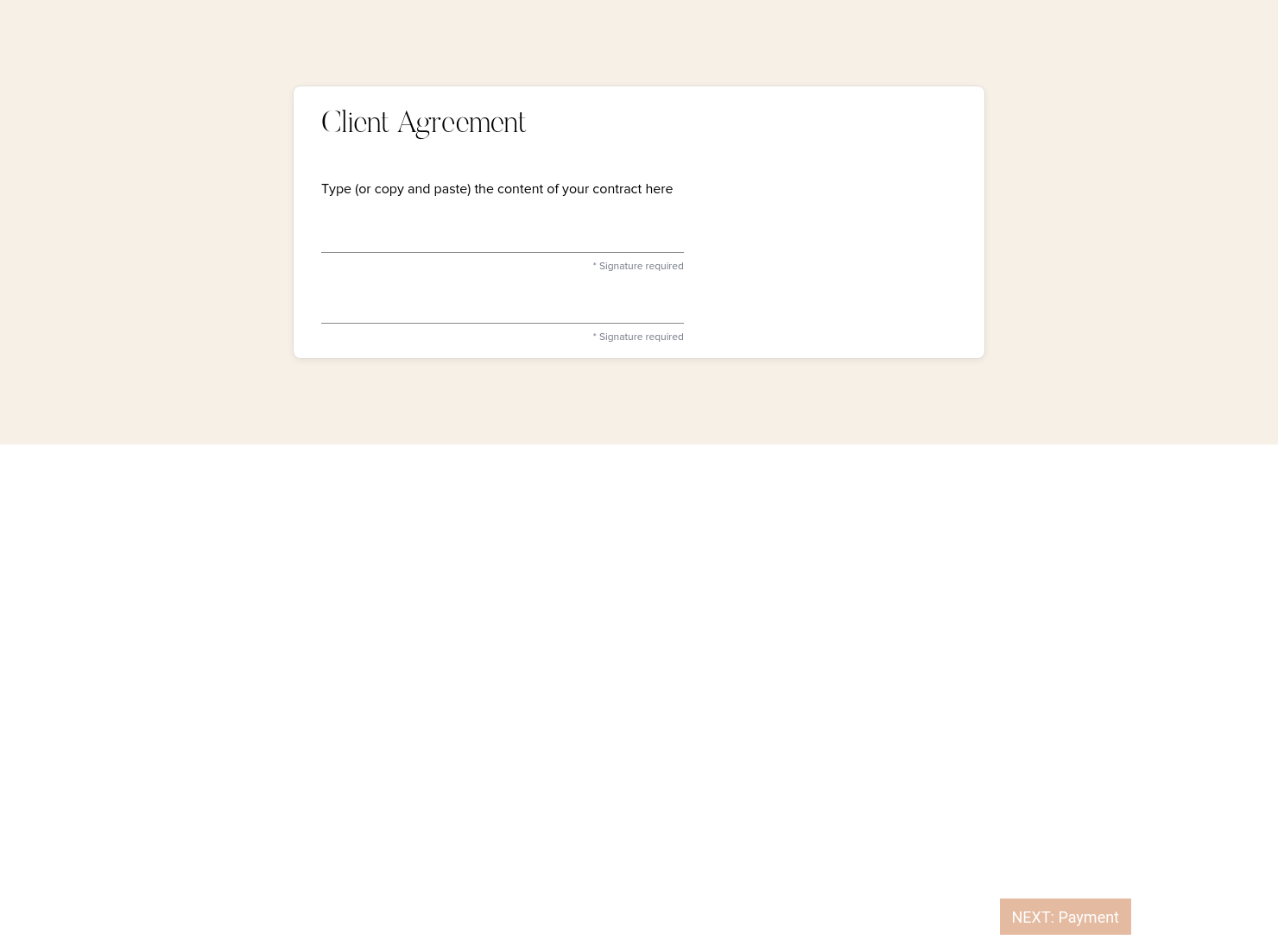
- Approval and signature section: A section where the client can confirm acceptance of the proposal and move forward with the booking process.
Including these elements helps ensure the proposal format for event planning is clear and easy for clients to review.
An effective event venue proposal clearly shows how the venue supports the client’s event vision. The document should highlight the strengths of the space while presenting important logistical details in a simple format.
Visual clarity also matters. Proposals that organize information into clear sections help clients quickly understand what the venue offers and how the event will work within the space.
For example, many venue teams include layout possibilities, vendor guidelines, and setup timelines to help clients visualize how their event will unfold. These details help reduce uncertainty and answer common questions before planning begins.
Many professionals begin with a proposal for an event template or a sample proposal for events. Starting with a structured template helps ensure that every proposal includes consistent information while still allowing room for customization.
An event venue proposal template is useful whenever a venue or planner needs to present a space as an option for an upcoming event.
Some of these instances can include:
- Responding to venue inquiries from potential clients
- Presenting venue options during the early planning stage
- Proposing spaces for weddings, corporate events, or celebrations
- Sharing layout ideas and event logistics with stakeholders
- Providing pricing and availability before contracts are finalized
Using a structured proposal for event planning helps clients review details quickly and decide whether the venue is the right fit.
Catering has a lot of moving parts, and the menu sits in the center. If your catering menu is scattered across emails, texts, and screenshots, mistakes show up at the worst time.
A structured menu template helps in practical ways.
- Builds client trust and a professional first impression.
- Speeds approvals by making choices simple.
- Reduces payment disputes by documenting totals and terms.
- Saves time by cutting back and forth.
That means fewer surprises for clients and fewer fire drills for you.
Get started with an event venue proposal template.
Using a ready-made event venue proposal template helps venues and planners create professional proposals without starting from scratch. Once customized, the template can be reused for future inquiries, which can make it easier to respond to clients quickly and present venue details in a clear, organized format.
FAQs
Below are quick answers to common questions from caterers building a catering menu that clients can approve with confidence.
An event venue proposal is a document that outlines how a venue can host a specific event. It typically includes information about the venue space, event logistics, pricing, and availability so clients can evaluate the location.
A proposal for an event venue usually includes event details, venue capacity, layout options, pricing, rental terms, and logistical information such as vendor access and setup schedules.
To write an event venue proposal, start by describing the event and the venue’s capabilities. Then outline logistics, pricing, and services provided. Using a sample proposal for events can help create a consistent format that can be customized for each client.
HoneyBook templates simplify the process of creating and sending professional documents to clients. Instead of rebuilding proposals for every inquiry, you can reuse templates and customize them for each project. You can learn more about managing templates in the HoneyBook files and templates Help Center guide.
Yes. HoneyBook templates allow you to customize fonts, colors, images, pricing tables, and messaging so your documents reflect your brand identity. The Help Center explains how to add and customize Smart File pages.
Yes. The HoneyBook mobile app allows you to create, edit, and send templates from your phone. This makes it easier to respond to clients and manage event planning tasks while away from your desk. Learn how to create invoices and Smart Files on mobile.
Related templates




Related Templates

.png)

Make it your own
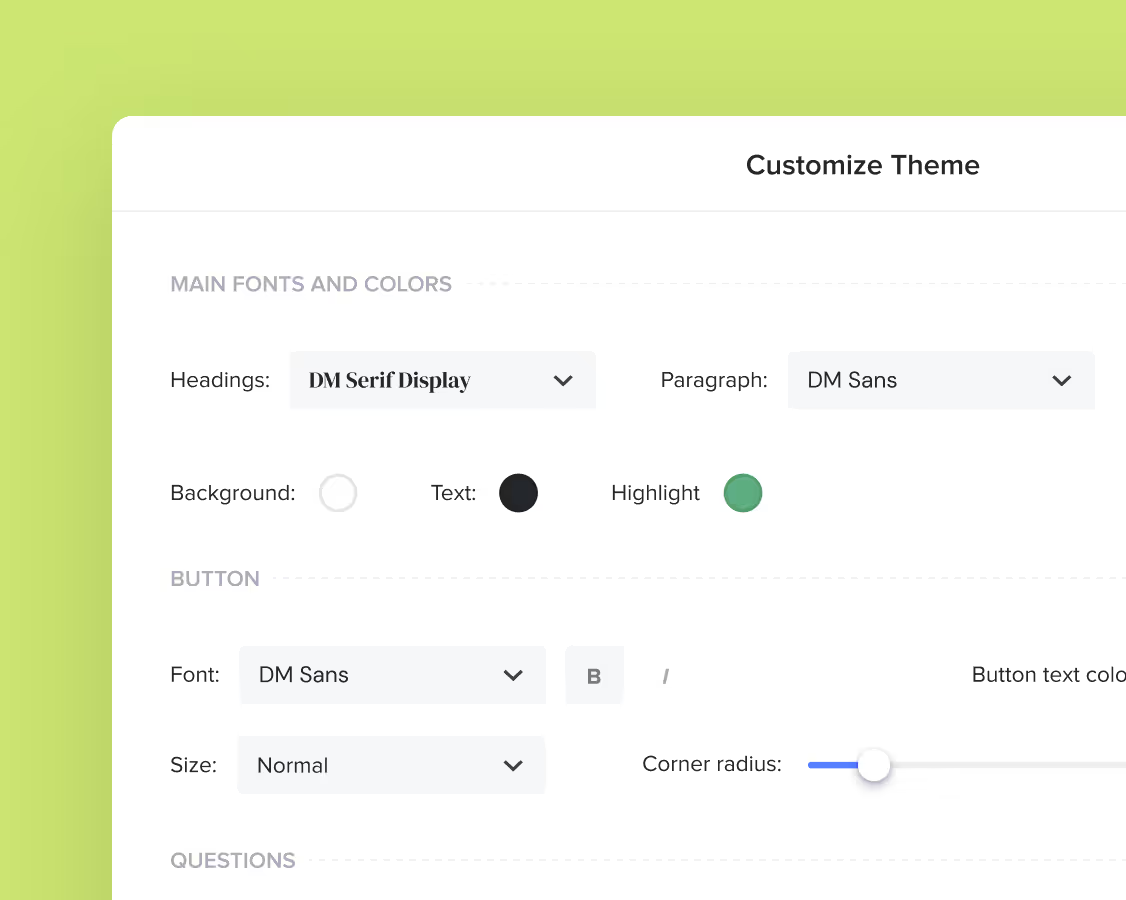
Fully customize the template to fit your needs. Quickly apply your company branding with just a few clicks.
Share with clients
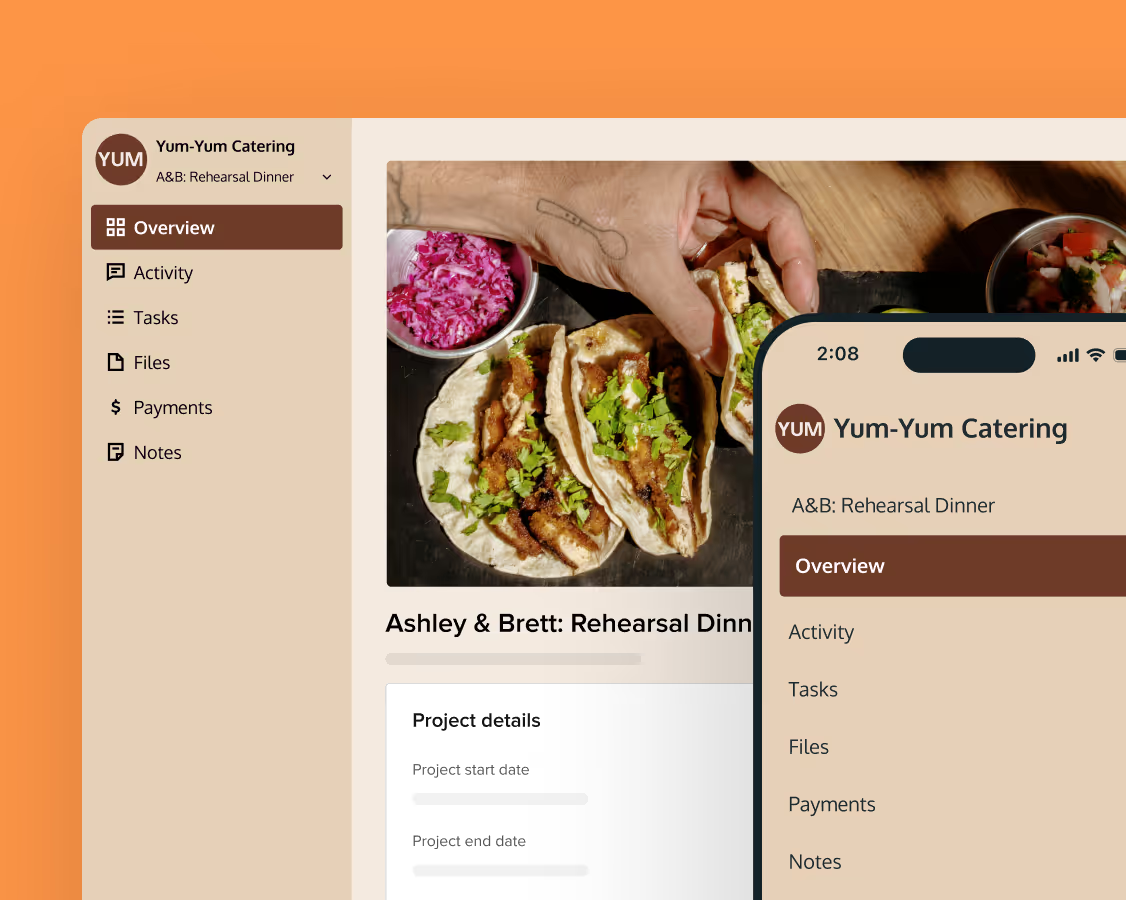
Create exceptional client experiences through HoneyBook’s dedicated client portal, allowing them to read, review, and take action from any device.
Reuse and scale
Use your customized files with different clients again and again to save time and make managing client interactions that much easier.
Join the 100,000+ businesses growing with HoneyBook.