










Services

Showcase your services for easier client booking.

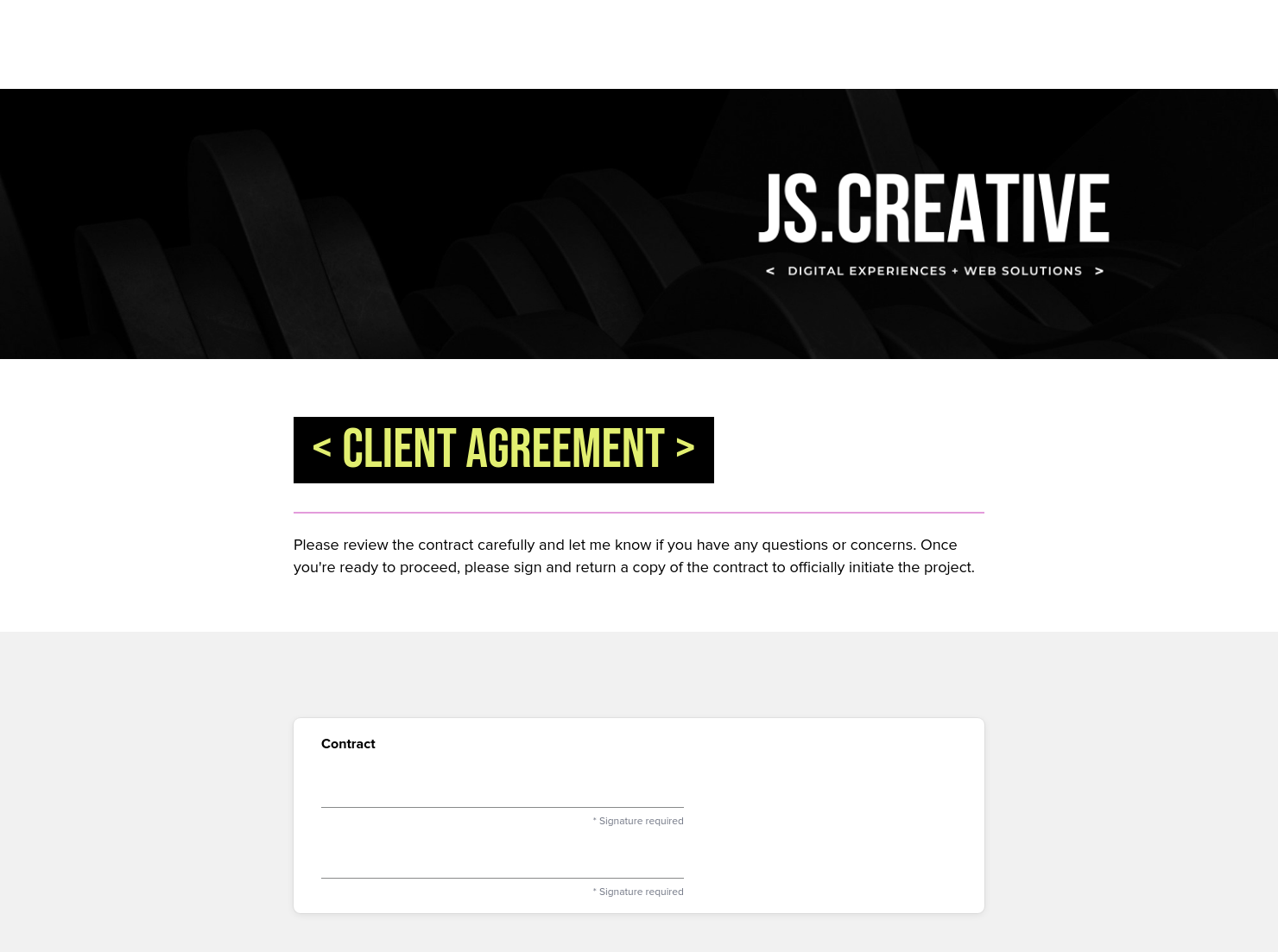
Contract for eSigning
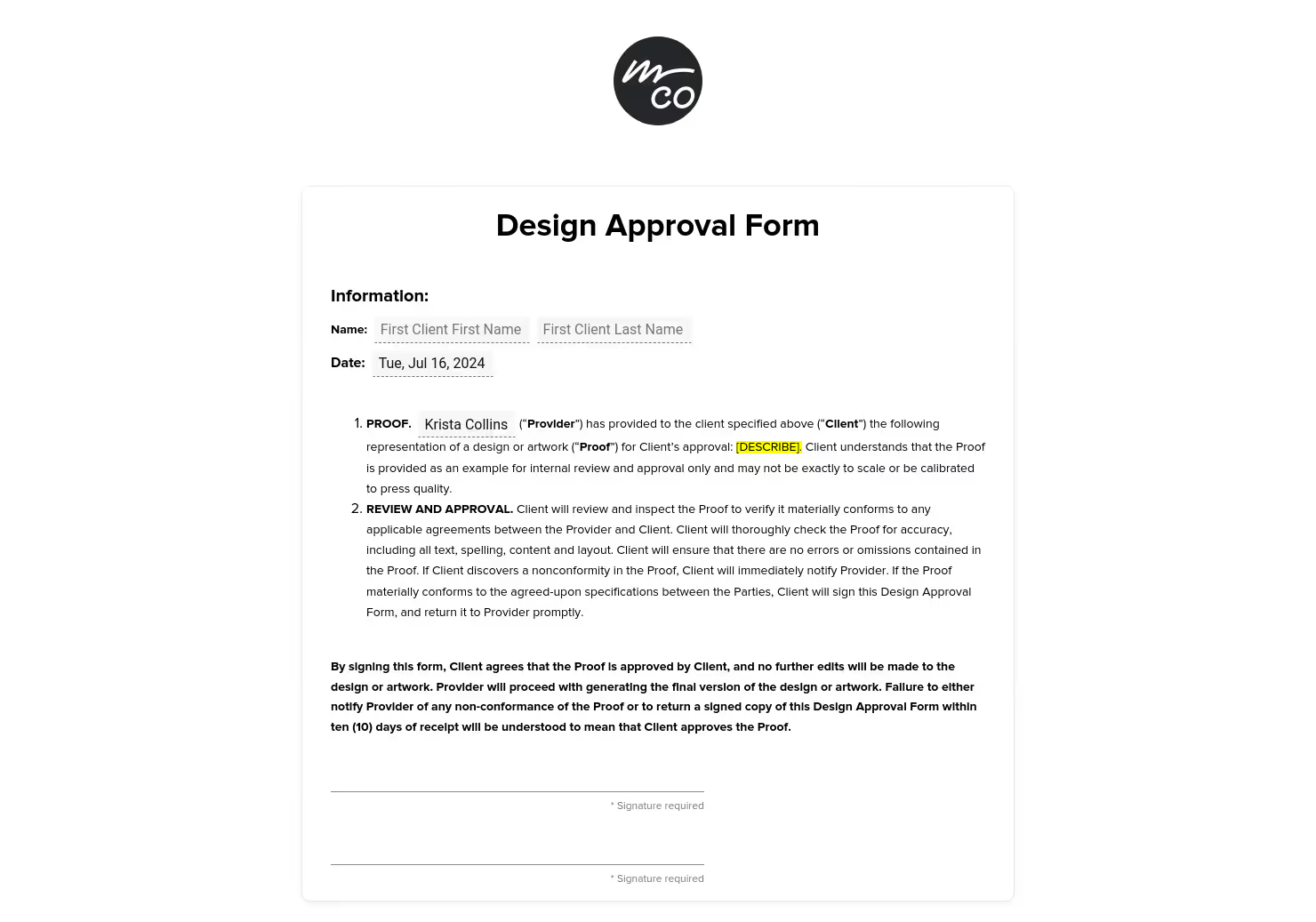
Sign clients easily on the go via eSign with your contracts, or use one of HoneyBook's lawyer-approved contracts

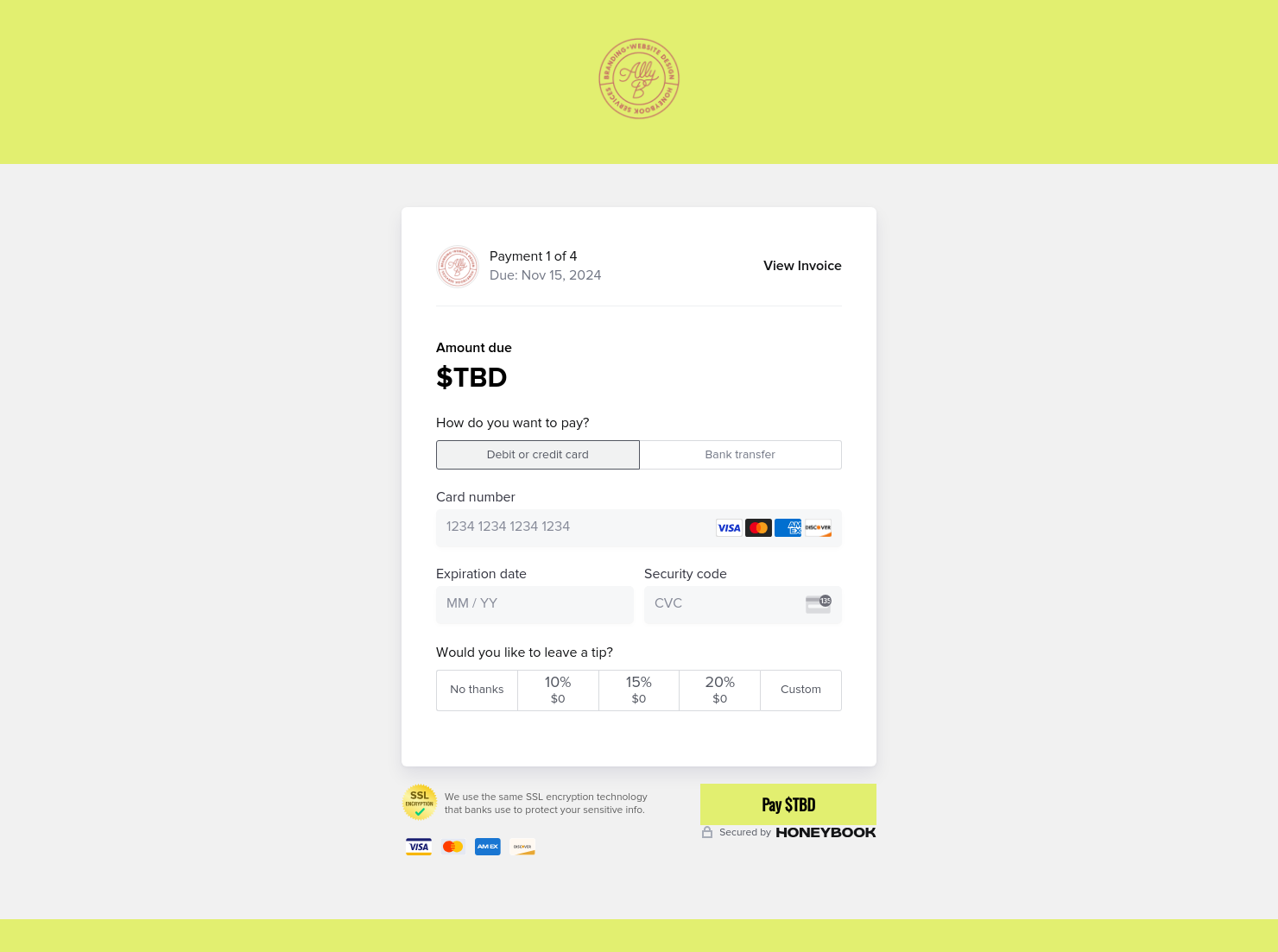
Invoice & online payments
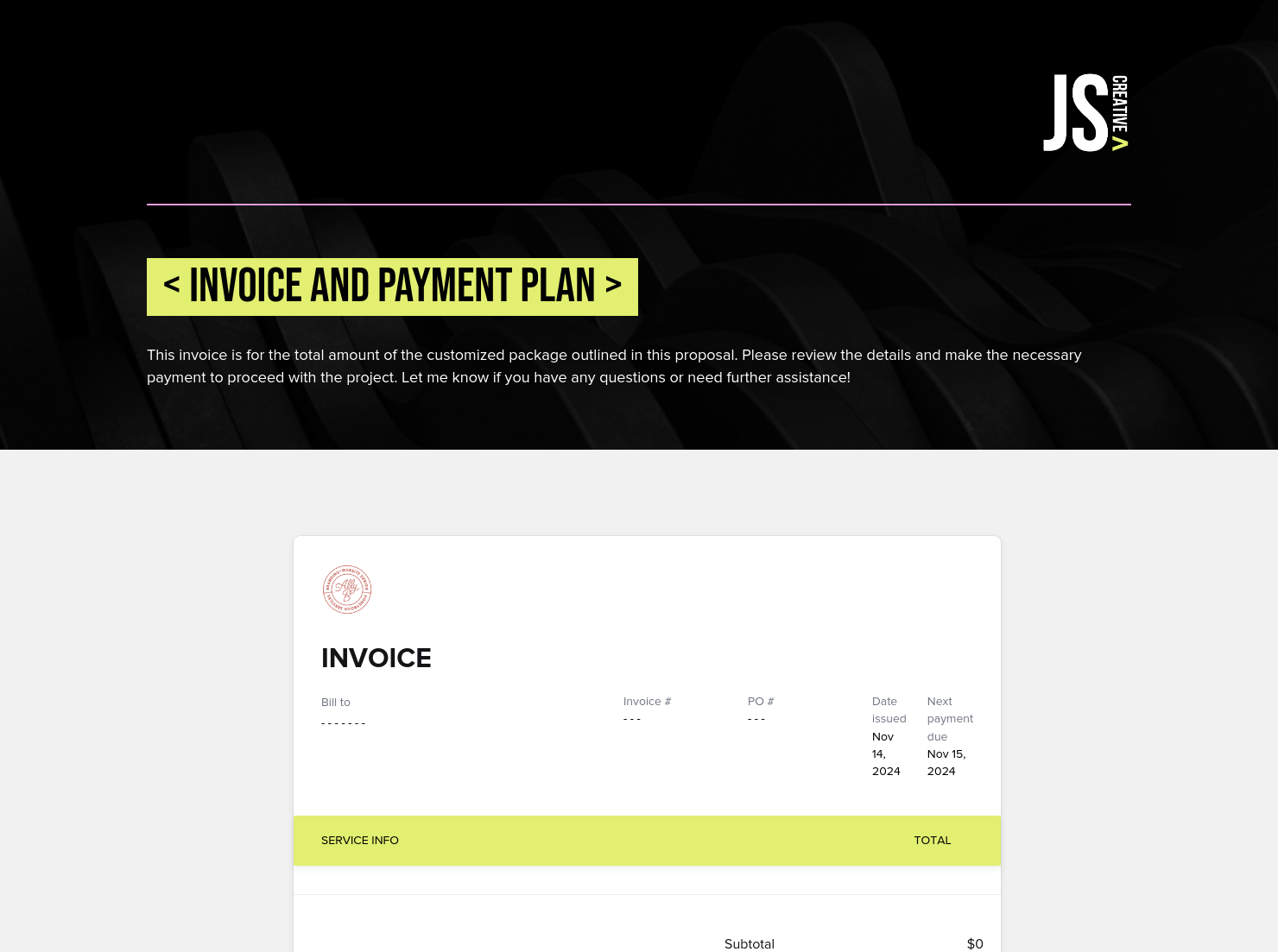
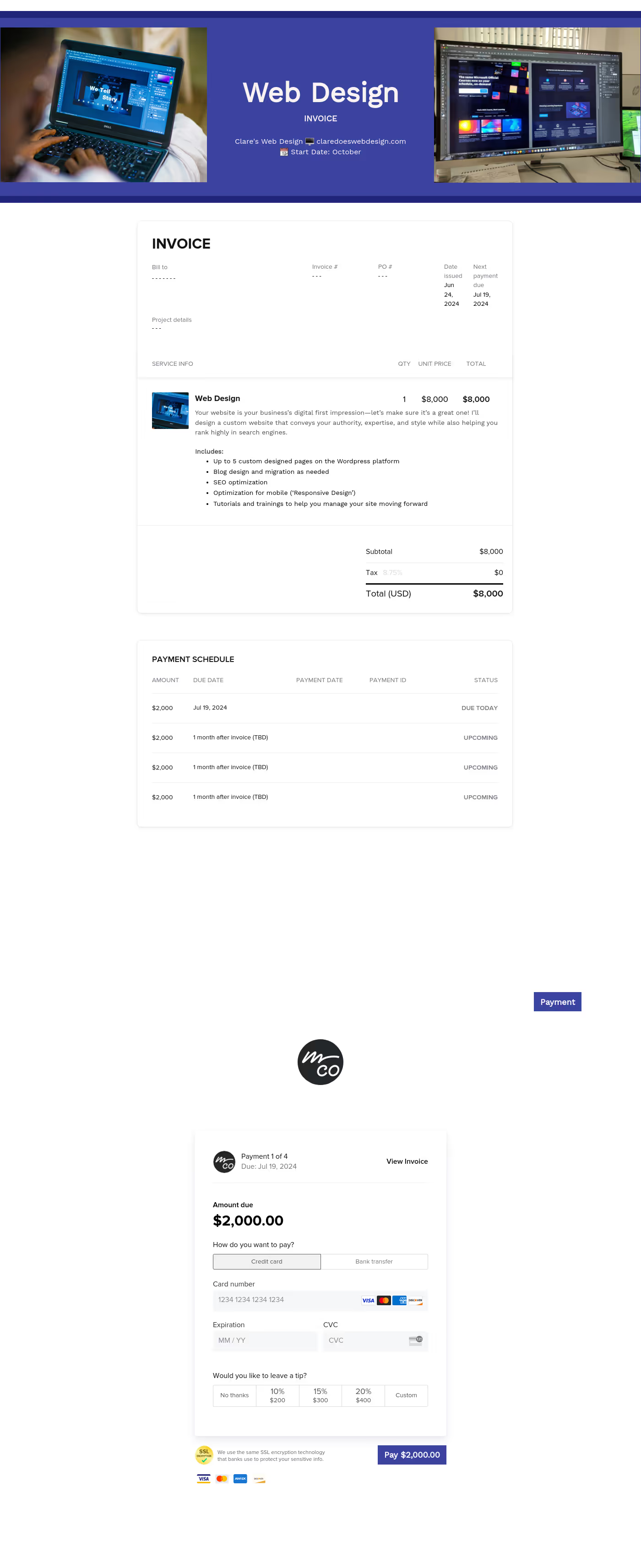
Make it easy for clients to book and pay for your services–all in one file.

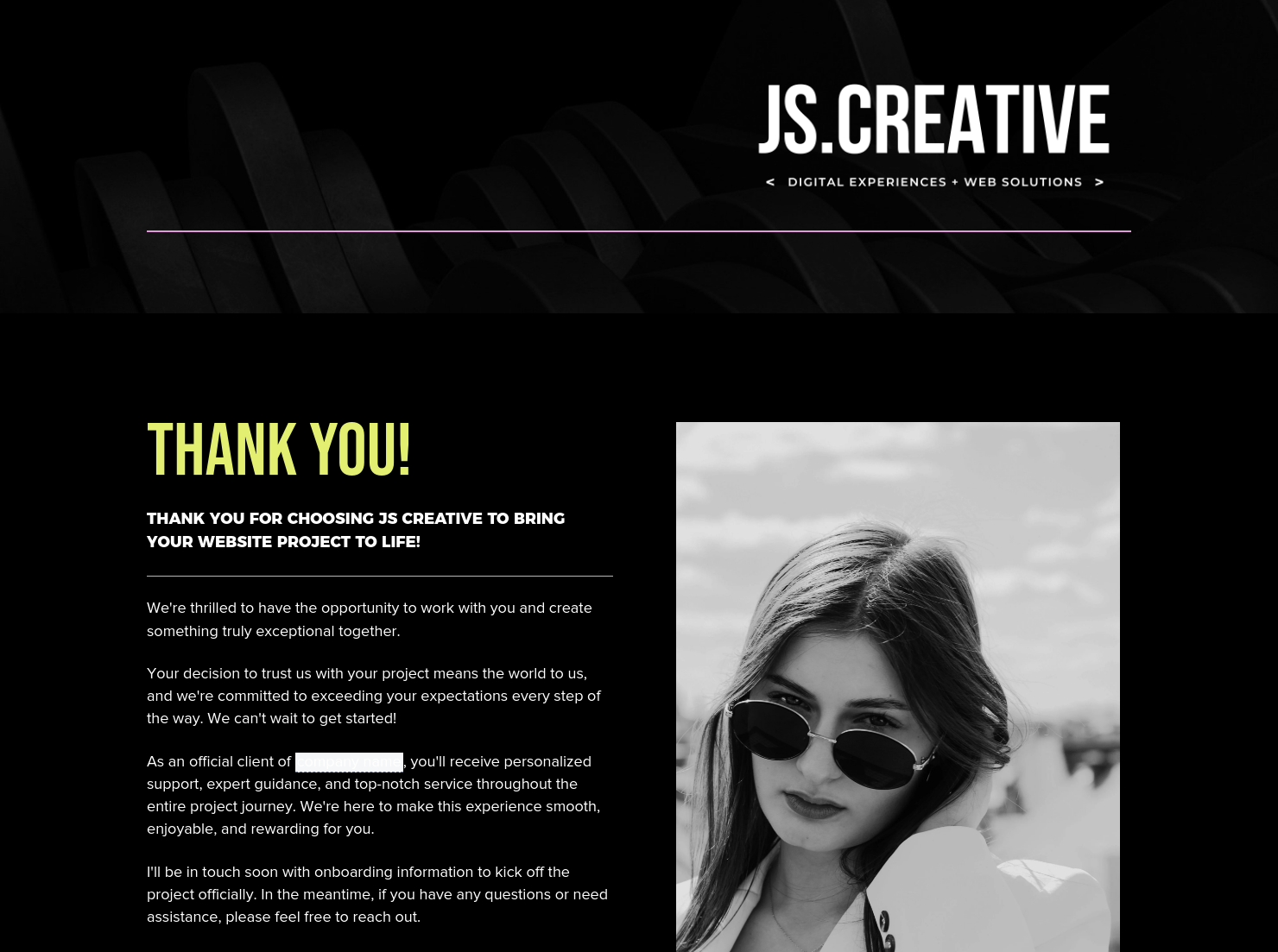
Ready-to-use copy
Templates come filled with prewritten copy you can use as is or edit to match your brand and business.


“
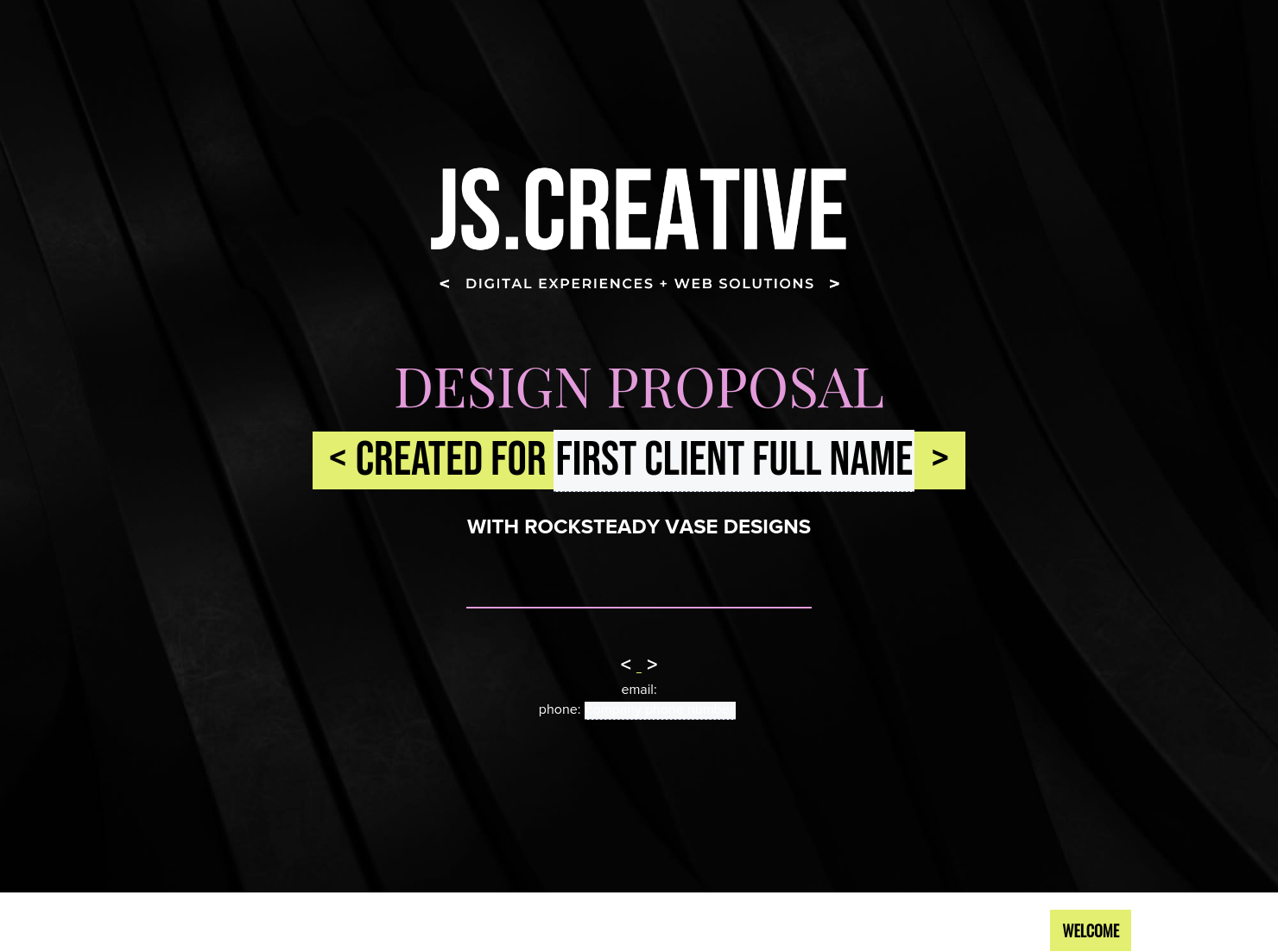
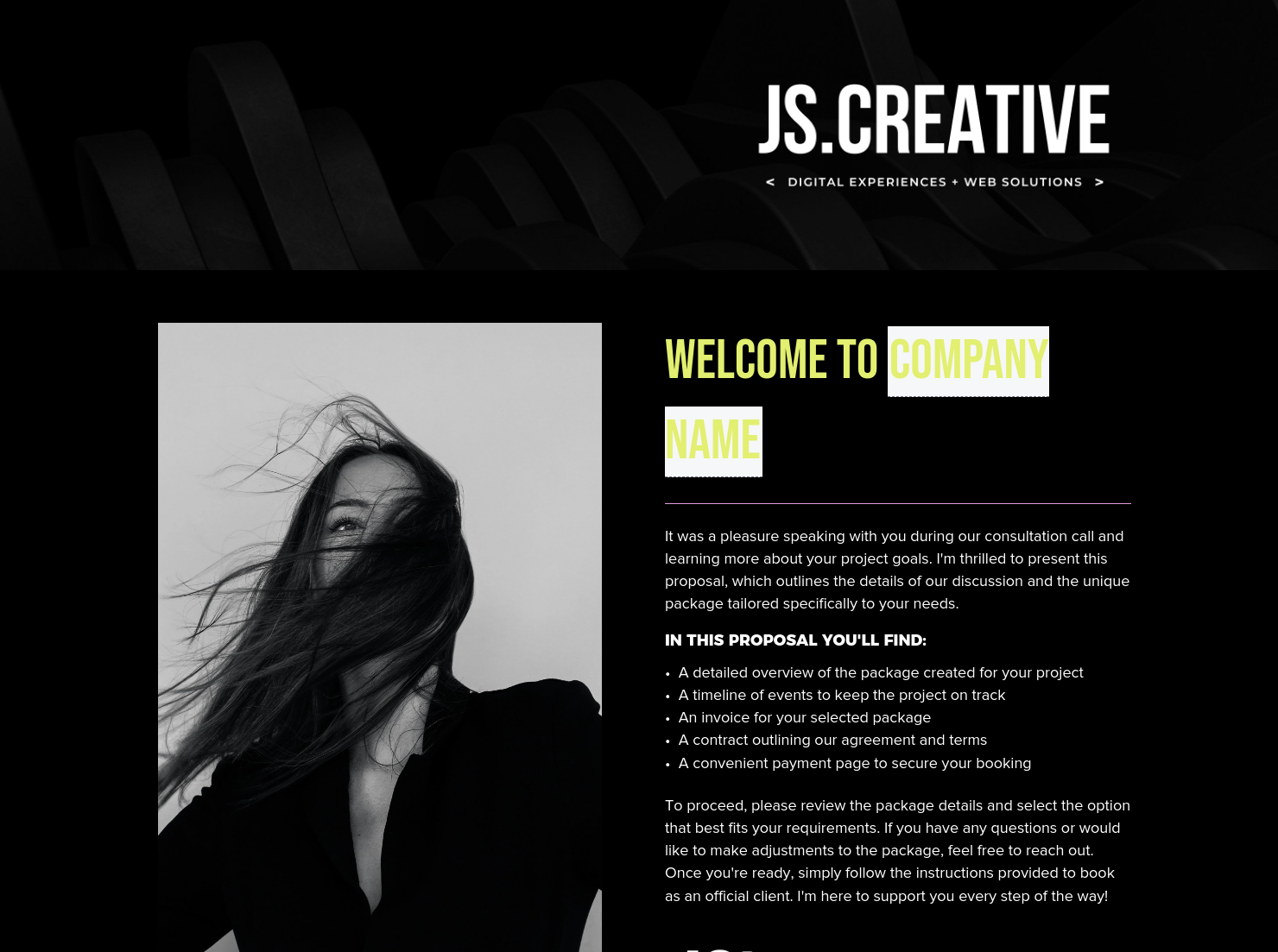
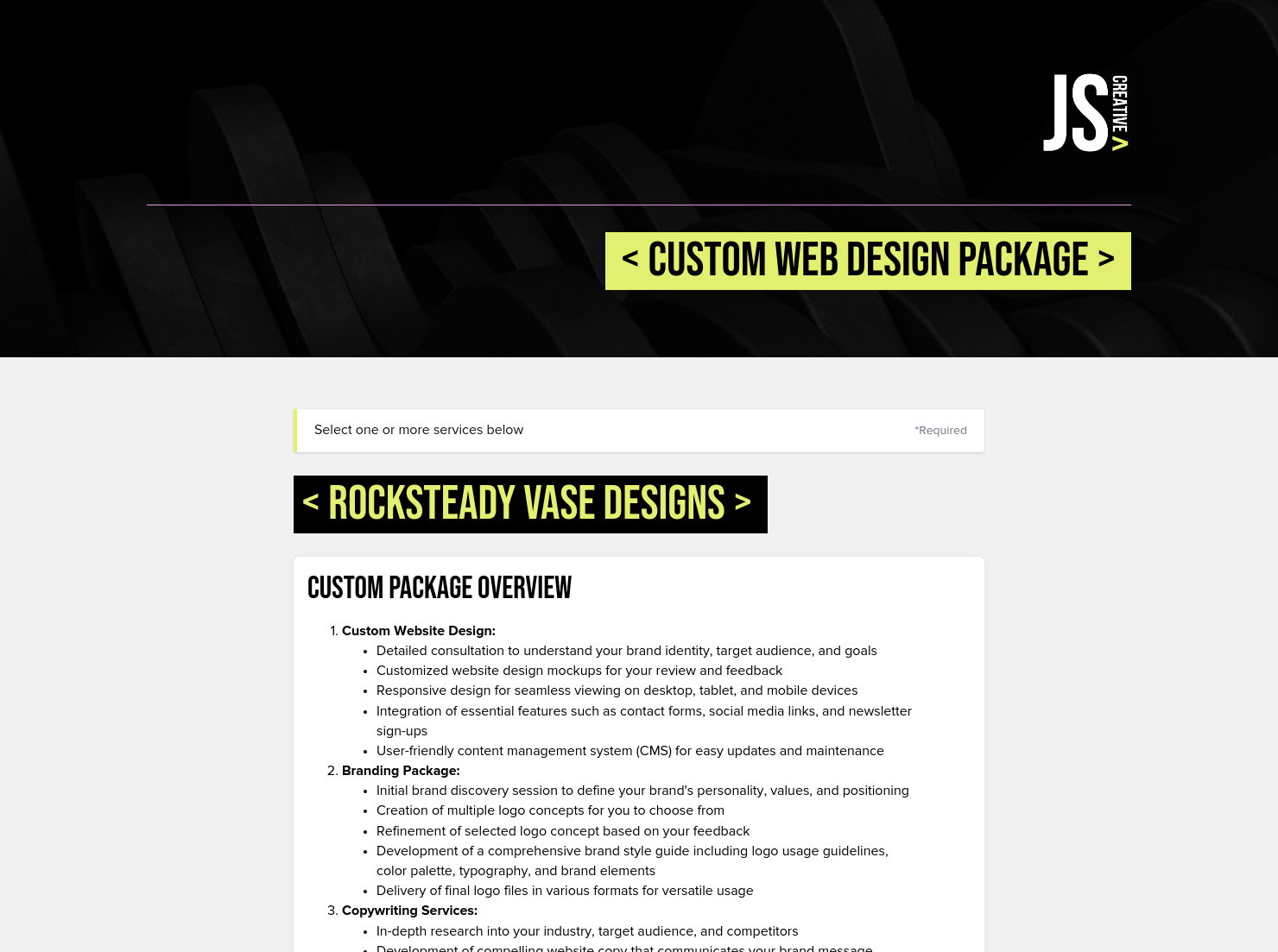
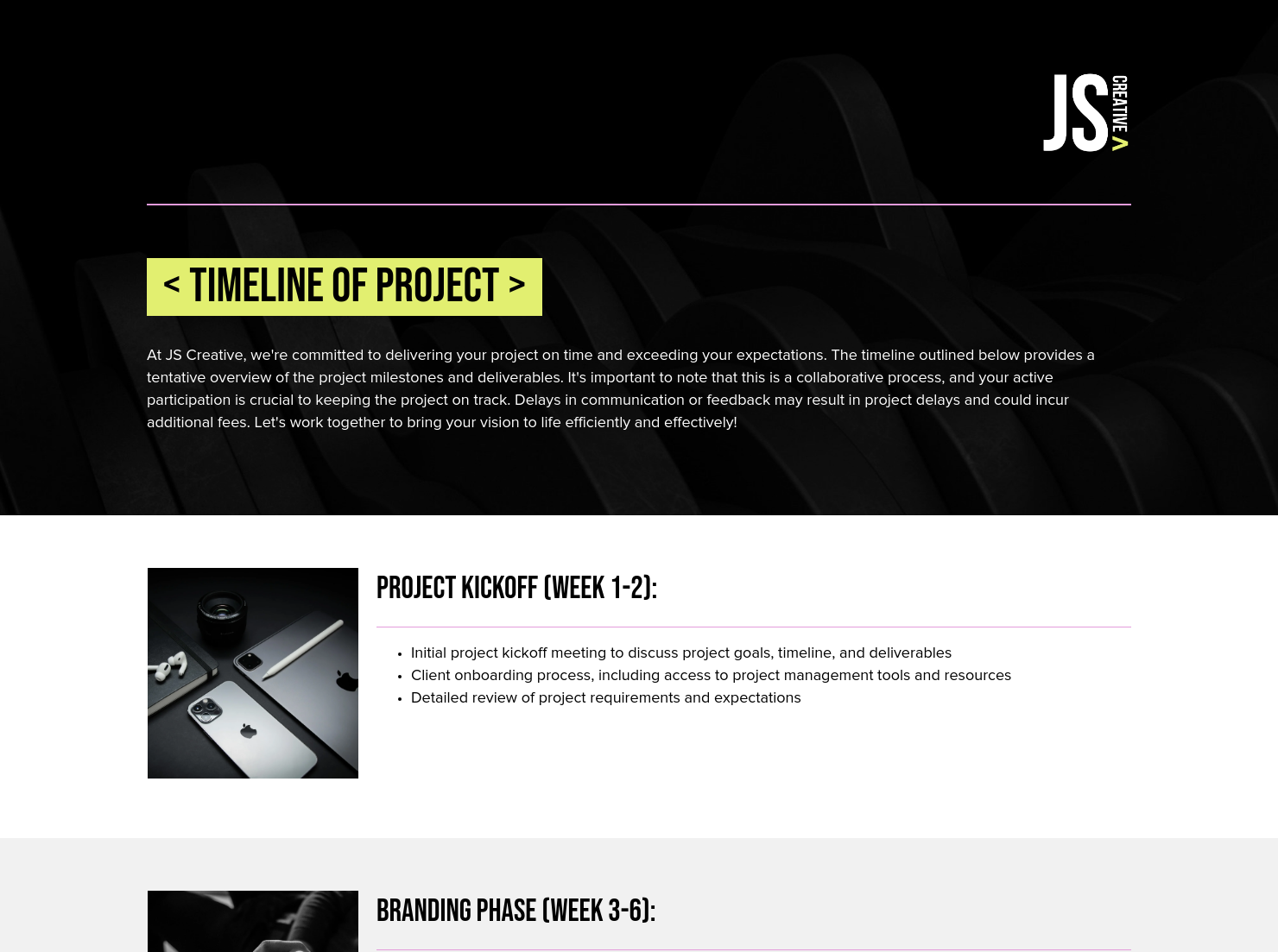
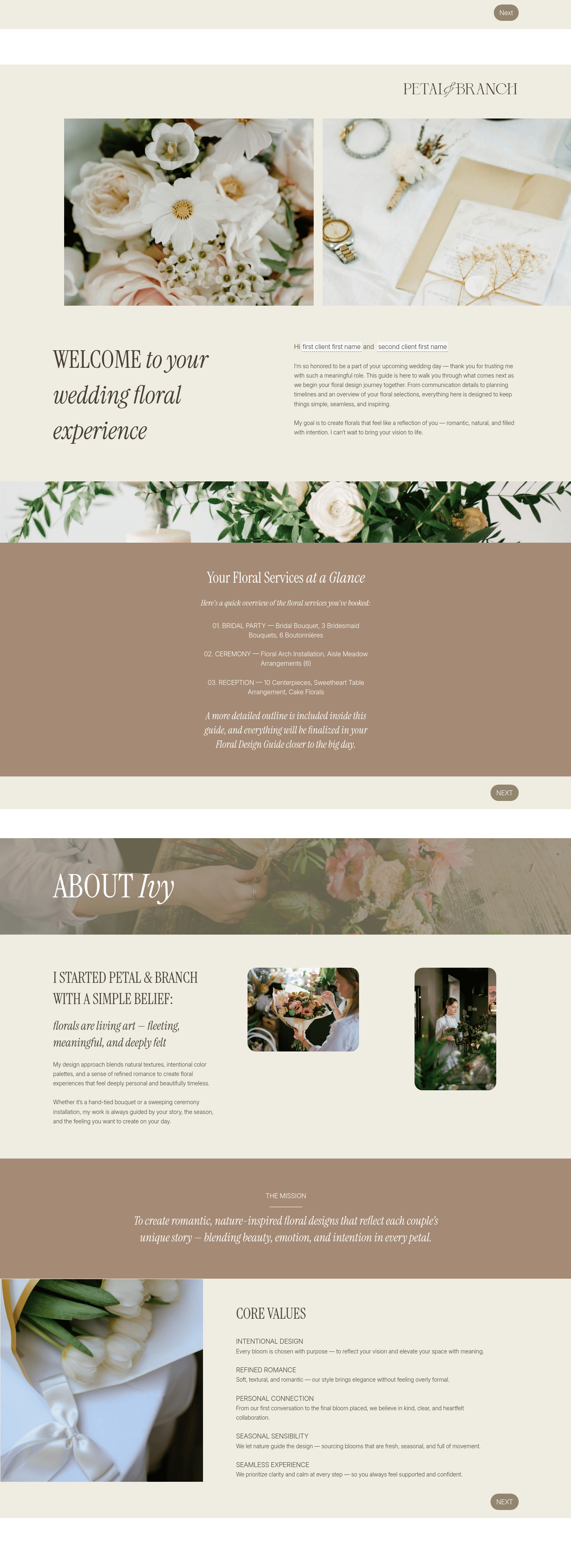
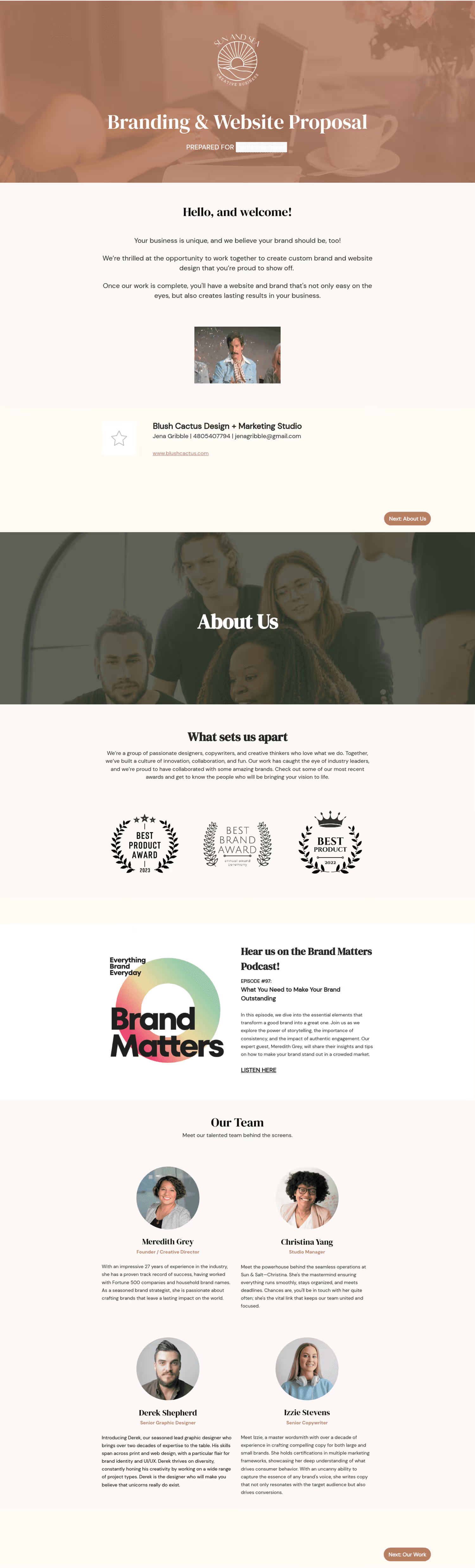
Use this proposal to present packages, contracts, and payments in one place, allowing clients to review, select, sign, and book your services with ease.
”

October 18, 2026

All there is to know about web design proposal templates
A web design proposal defines the scope, cost, and creative direction of a website project before any work begins. For freelance designers and agencies, it's an essential bridge between an initial inquiry and a signed contract, and it can keep the project on track and the relationship working later on.
Scope creep is an ever-present danger for web design projects, and small additions can soon mount up to late nights and unpaid extra work. Without a formal proposal for website redesign or new builds, expectations can drift, and vague and differing ideas about the deliverables often lead to disputes later in the process.
A well-structured web design proposal helps you:
- Build immediate client trust with a professional presentation.
- Improve approval rates by clearly demonstrating the value of your work.
- Speed up payments by outlining clear financial milestones from day one.
- Save dozens of hours by avoiding repetitive back-and-forth emails.
A professional web design proposal sample doc should never be a mystery. It needs to be a transparent and straightforward roadmap. Every effective template should include these core elements:
- Business and client information, including contact details for both parties
- High-level summary of the goals and the problem you are solving
- Scope of work, a detailed breakdown of specific deliverables
- Pricing and fees fully itemized and clear
- Timeline and milestones for reviews, testing, and the final launch
- Payment terms and dates, as well as conditions for deposits and instalments
- Acceptance mechanism and space for digital signatures
The most successful proposals focus on results and not just technical tasks. Instead of listing "new navigation menu," explain how that change will improve the user experience and drive higher conversion rates. This shift in tone transforms you from a commodity service provider, one of many in this world, into a strategic partner.
Clarity is your best friend here. If a client has to squint to understand what is included in the price, you have already lost.
Use a design proposal example with bullet points and clear headings. Don’t over-explain every technical detail and keep the language jargon-free, so the actual decision-maker can skim the document.
This template is most effective when a project requires a formal definition before the creative work starts. Use it during:
- New client onboarding, where you have to set boundaries and expectations early
- Redesign website proposal phases for complex projects with multiple stages and deliverables
- Custom e-commerce builds when unique integrations or third-party tools come with their own costs, and specialist expertise for different parts of the project can add to your costs
- One-off projects where a proposal ensures you aren't doing favors that turn into full-time headaches.
Catering has a lot of moving parts, and the menu sits in the center. If your catering menu is scattered across emails, texts, and screenshots, mistakes show up at the worst time.
A structured menu template helps in practical ways.
- Builds client trust and a professional first impression.
- Speeds approvals by making choices simple.
- Reduces payment disputes by documenting totals and terms.
- Saves time by cutting back and forth.
That means fewer surprises for clients and fewer fire drills for you.
Get started with a web design proposal template
Starting from scratch for every new lead is the fastest way to burn out. Using a high-quality web design proposal template allows you to focus on the creative strategy while the document handles the logistics. Once your workflow is standardized, you can send professional, branded proposals in minutes rather than hours.
FAQs
Below are quick answers to common questions from caterers building a catering menu that clients can approve with confidence.
It must cover the project scope, specific deliverables, total pricing, a realistic timeline, and your payment terms. This makes sure you and the client have a shared understanding of the whole project before you close the deal and start down a bad road.
It should be detailed enough to clearly describe the project, but concise and simple enough that anybody can read it. Most clients will skim the document first to find the price and the timeline. So, use clear headers and bullet points to highlight the most important information.
Absolutely, that’s really the point, but it should be flexible. A strong template provides a consistent framework that lets you swap out specific details quickly and easily. That saves you from starting from a clean sheet every time and saves you time and mistakes, but it doesn’t limit you, and you can still make every proposal unique.
HoneyBook templates are built to simplify the steps between inquiry and booking. They let you deliver a professional client experience while saving time on repeat tasks, helping you move from a warm lead to a booked project faster.
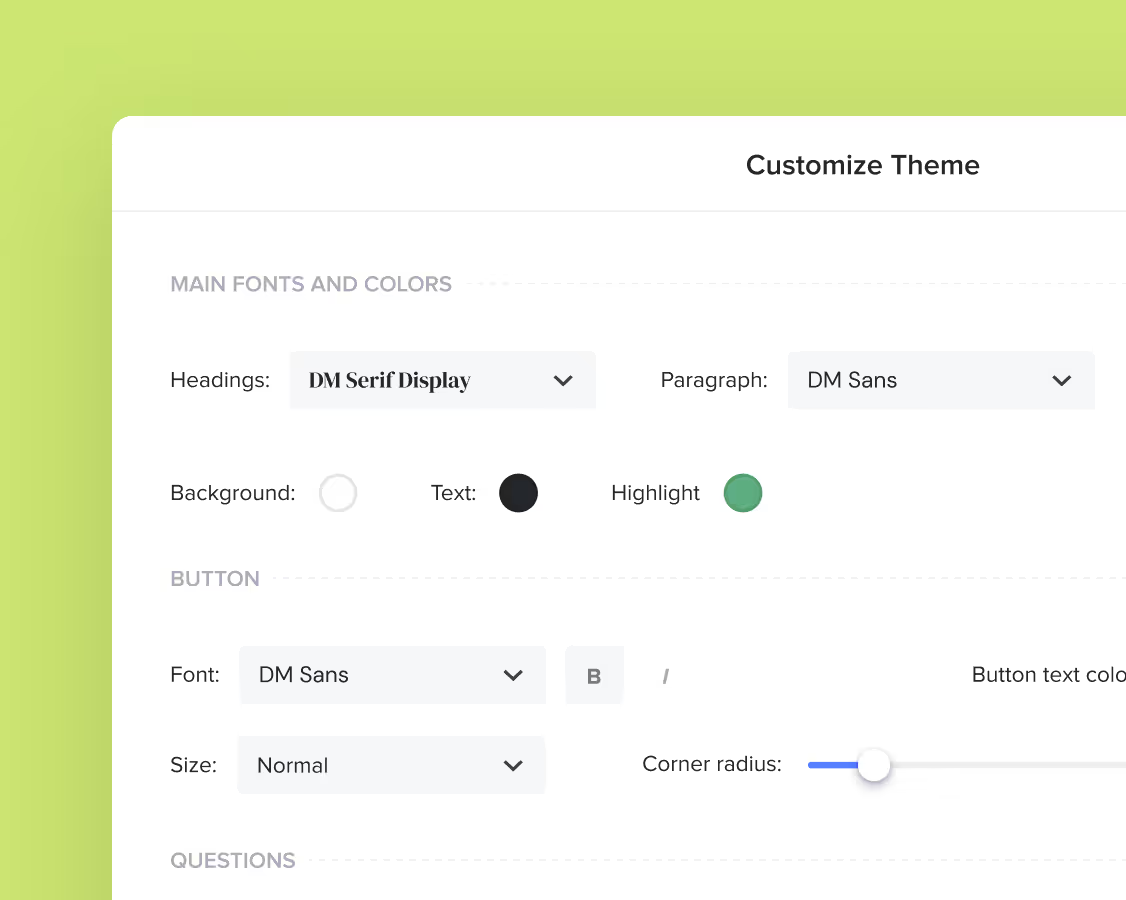
Yes absolutely. You can customize color as well as fonts, images, and the layout. This ensures your proposals look like a natural extension of your website and portfolio, and they’re instantly familiar to your client.
Yes, absolutely you can. With the HoneyBook mobile app, you can create, manage, and send proposals from anywhere.
Related templates




Related Templates
.jpeg)
.jpeg)

.jpeg)
-(1)%252520(2).jpeg)
Make it your own
Fully customize the template to fit your needs. Quickly apply your company branding with just a few clicks.
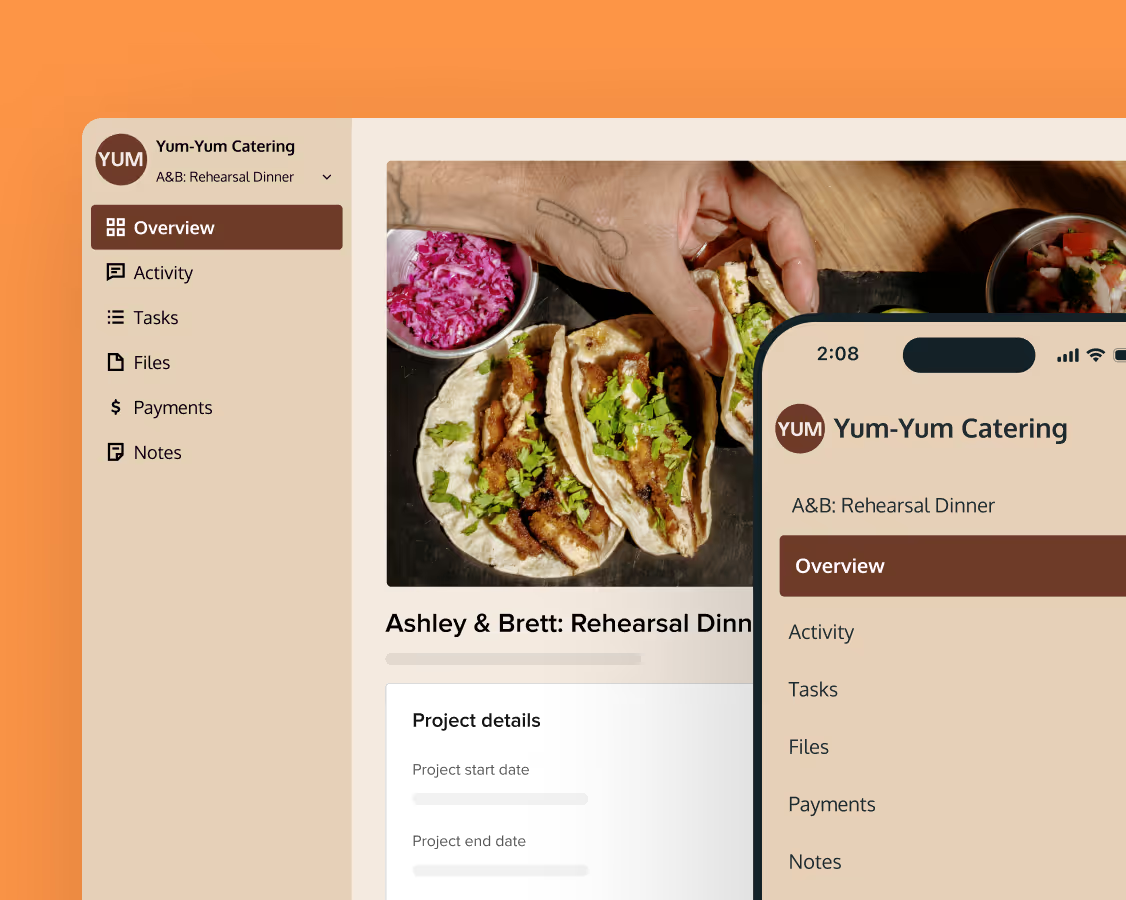
Share with clients
Create exceptional client experiences through HoneyBook’s dedicated client portal, allowing them to read, review, and take action from any device.
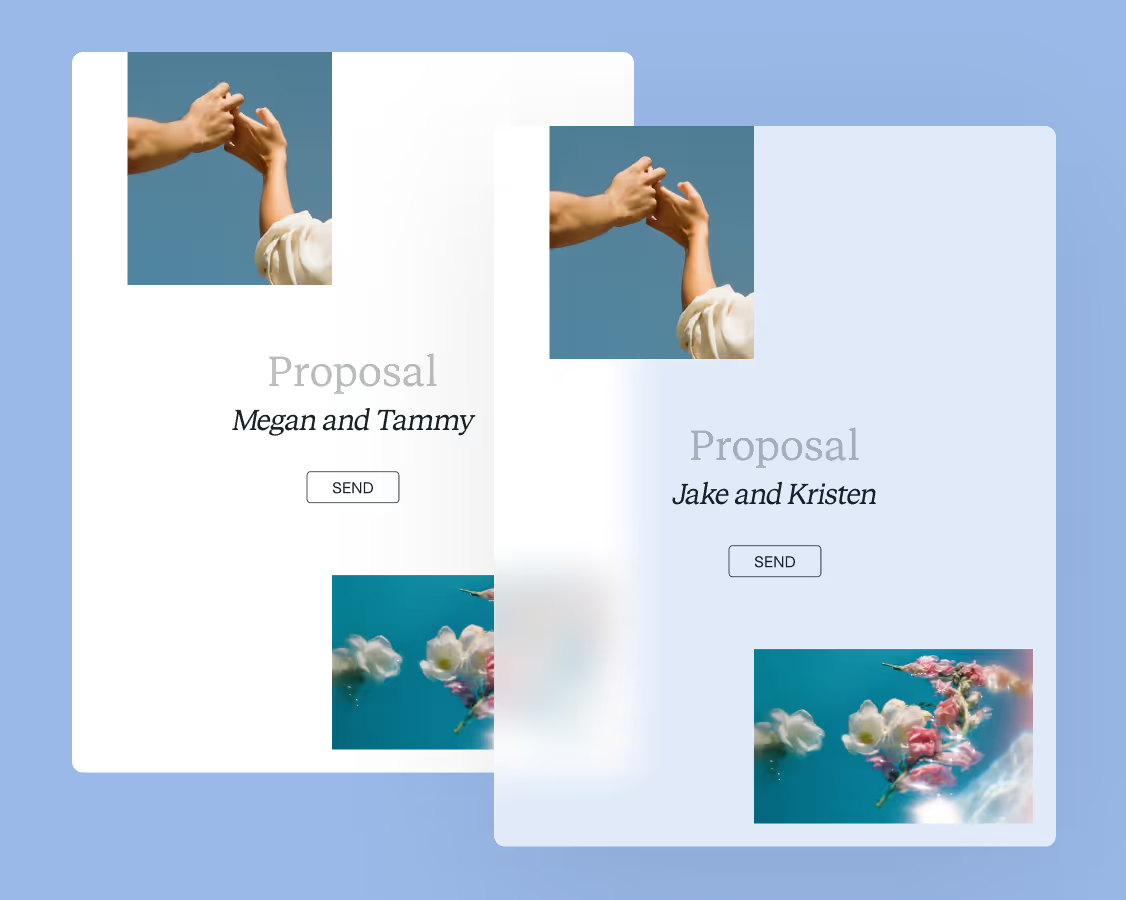
Reuse and scale
Use your customized files with different clients again and again to save time and make managing client interactions that much easier.
Join the 100,000+ businesses growing with HoneyBook.