






How to improve client communication: 9 practical tips
Start a Trial

Effective communication makes clients feel valued and understood at every stage of a project.
But when you’re juggling multiple clients across the globe—each with their own preferences and personalities—it’s surprisingly easy for communication to slip. Misunderstandings, project delays, and unnecessary stress follow, and loss of income becomes a real risk.
This guide offers nine practical tips on how to improve client communication, so you can run smoother projects and build deeper relationships as your business grows.
What does effective communication consist of?
Strong client relationships start with clear, thoughtful communication. As you define your client communication strategy, weave in these key principles to make every interaction count:
- Clarity above all: Keep messages straightforward. Clear communication builds trust while preventing misunderstandings and long email chains.
- Proactive, not reactive: Share progress updates before clients have to ask, so they’re never left guessing where things stand.
- Personalized: Adjust your communication style to match each client’s preferences, whether they prefer quick emails, detailed notes, or occasional calls.
- Empathy-based: Listen actively to your clients and acknowledge their concerns. Understanding what matters to them strengthens relationships, helps avoid misalignment, and reduces rework later.
- Open to feedback: Don’t assume—ask. Check in with clients regularly to see what’s working and what isn’t, and apply feedback sooner rather than later.

Ensure consistent communication
Use HoneyBook to manage all of your client communication in one place.
Get started9 tips for establishing effective client communication
Avoid missed expectations and stalled projects by bolstering your communication skills and channels. Use these nine practical tips to learn how to communicate effectively with clients, build trust and keep projects moving in the right direction.
1. Use multiple channels
Clients often have different communication preferences. Using a variety of channels helps cater to those preferences, so your message is received well. Common channels include:
- Texting
- Phone calls
- Videoconferencing platforms
- Instant messaging apps
- Client communication portals
- In-person meetings (when feasible)
Choosing the right medium for the moment keeps interactions smooth and productive. For example, email is ideal for sharing quick updates, while videoconferencing platforms offer space for in-depth discussions or difficult conversations.

Create processes that run themselves.
Set up automations that follow up with leads, send your documents, and keep every project on track hands-free.
See how automations work2. Aim for clarity
Clear, concise communication with clients goes a long way in keeping projects on track. Clarity is especially important when you’re dealing with difficult clients who tend to miss details or change direction often.
To make communication clearer, stay simple and specific. Avoid jargon, trim unnecessary wording, and ask clarifying questions whenever something feels vague. You can also try using bullet points or bold highlights to make key information stand out.
Pro tip: After a long video call or conversation, send a brief summary of main points so both sides have a clear record of what was discussed.
3. Encourage feedback
Feedback is a crucial part of any effective communication strategy. It helps you enhance service quality, stay aligned with client expectations, and improve overall satisfaction.
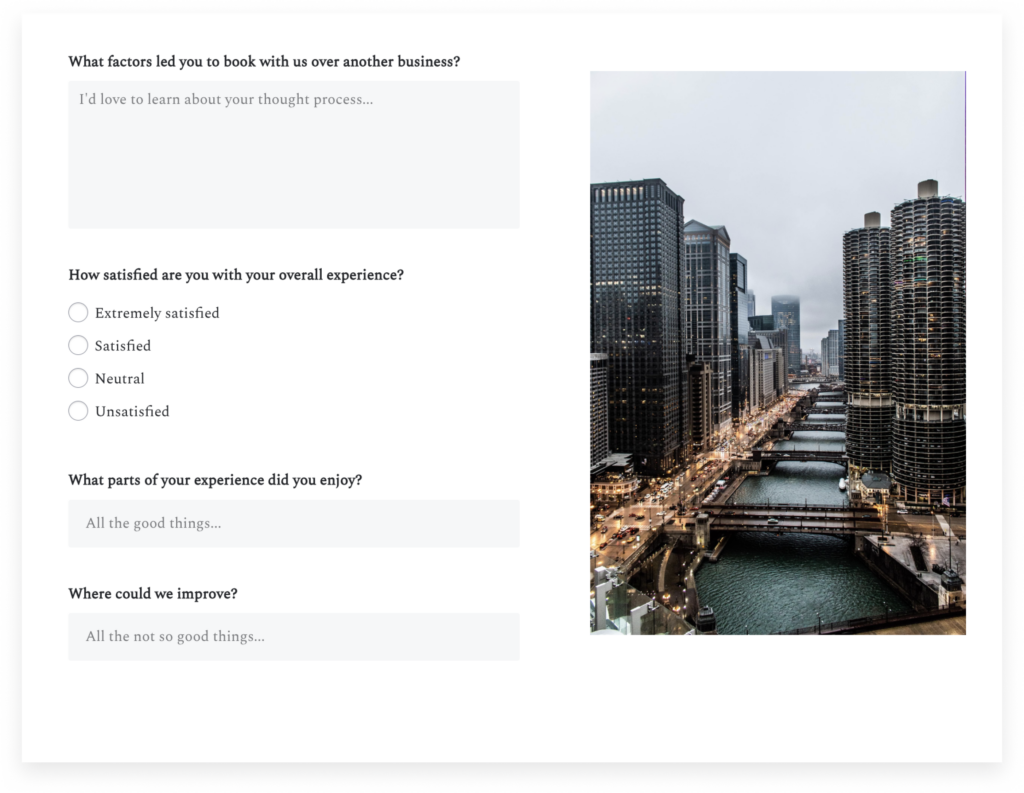
To collect useful feedback, create targeted questionnaires across multiple channels. Your clients should feel comfortable sharing their honest thoughts, so acknowledge potential concerns and offer the option to respond anonymously.
From there, review feedback regularly. Identify common themes, define next steps, and make iterative improvements over time. These constant adjustments show clients that their voice matters and boost confidence in your business.
4. Provide regular updates
Regular updates are the engine behind trust and transparency. Share progress with clients throughout the project life cycle—not only when you reach a milestone, but also when you need to flag an issue or discuss a new idea.
Proactive check-ins give clients a chance to raise concerns early and give you time to course-correct before small issues grow. Follow these best practices:
- Set a schedule for updates: Establish a regular meeting cadence (weekly or bi-weekly) and stick to it.
- Give the headlines: Share what’s completed, what’s in progress, and any roadblocks you’re encountering. Avoid overpromising or sharing extra details that might confuse clients.
- Include visuals where relevant: Charts, graphs, or screenshots can make updates more engaging and accessible.
- Automate updates: Use HoneyBook automations to send milestones, check-ins, reminders, and confirmation emails, so clients stay informed without extra effort on your end.

Set up automated emails to share milestones, check-ins, and payment reminders—so you can keep clients informed without constant manual effort.
5. Train your team
In a team setting, individual communication styles can vary widely, creating uneven client interactions. But when everyone is trained on the same communication practices and tools, communication becomes reliable across every touchpoint, resulting in high-quality customer experiences.
To ensure your team communicates effectively with clients, host regular training sessions on skills like active listening, email etiquette, navigating tough conversations, tone, and cultural awareness. Reinforce those skills by role-playing real scenarios and providing on-the-job coaching.
It’s also valuable to create a client communication playbook with brand-approved FAQs and expectations for response times, message routing, and tone so everyone has a shared reference point.
6. Leverage visual aids
Sometimes visuals can convey a message better than words. Diagrams, infographics, flowcharts, presentations, and even simple sketches can turn complex ideas into digestible information.
Visual aids also add a dynamic element to your communication, making messages more engaging and memorable. Just be sure they fit your brand style. For example, don’t use a GIF that doesn’t align with your brand voice, even if it’s clever or relevant.
Whenever creating visuals in tools such as Prezi, Keynote, or Google Slides, double-check that the design follows your brand book. Use high-resolution images and add interactive elements that emphasize—rather than distract from—your core message.
7. Respond promptly
Timely communication signals professionalism. When clients wait too long for a reply, they may feel overlooked. Even a quick acknowledgment can make a big difference.
While small businesses are often swamped with messages, committing to fast response times keeps clients confident in your process. Improve responsiveness by:
- Setting internal response standards: Create upfront guidelines for how quickly your team should respond (e.g., within 24 hours), even if a full answer requires more time.
- Sending auto-replies: Automate acknowledgments to show clients you’ve received their inquiry and provide an estimated time frame for a more detailed response.
- Triaging based on urgency: Prioritize communications based on importance and set up a routing system so nothing gets stuck or forgotten.
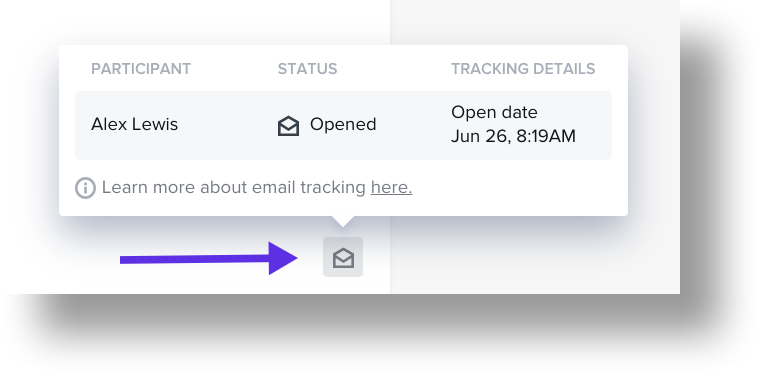
With HoneyBook, you can manage all client communication in one place and set up auto-replies so messages never fall through the cracks.
8. Practice active listening and empathy
Actively listening to your clients may seem abstract, but it’s the cornerstone of building trust. Start by giving clients your full attention—distractions and multi-tasking can easily pull you away from the conversation.
Create space for clients to share their thoughts without interruptions. Rather than jumping in to explain or solve the issue, stay calm and focus on understanding their perspective.
Acknowledge their frustration or emotions to repair trust. Simple actions like nodding, maintaining eye contact, and paraphrasing their points show that you’re engaged and truly grasping their needs.
9. Log each instance of communication
Tracking all your discussions, decisions, and feedback is essential for transparency and resolving disputes. Communication logs also act as valuable references when training new team members.
As part of your client communication best practices, use a CRM or centralized system like a client portal as your single source of truth. Tools like HoneyBook offer confidentiality controls and custom user permissions to keep communications secure.
Define client communication workflows so your team promptly logs every interaction, adds a relevant tag or category, and summarizes key information—date, time, attendees, mode of communication, and discussion notes.
Facilitate effective communication with HoneyBook
A seamless client experience starts with a clear, proactive, and empathy-first communication style. To foster trust with your clients, your communication strategy should incorporate multiple channels, feedback cycles, team training, and easy-to-use business tools.
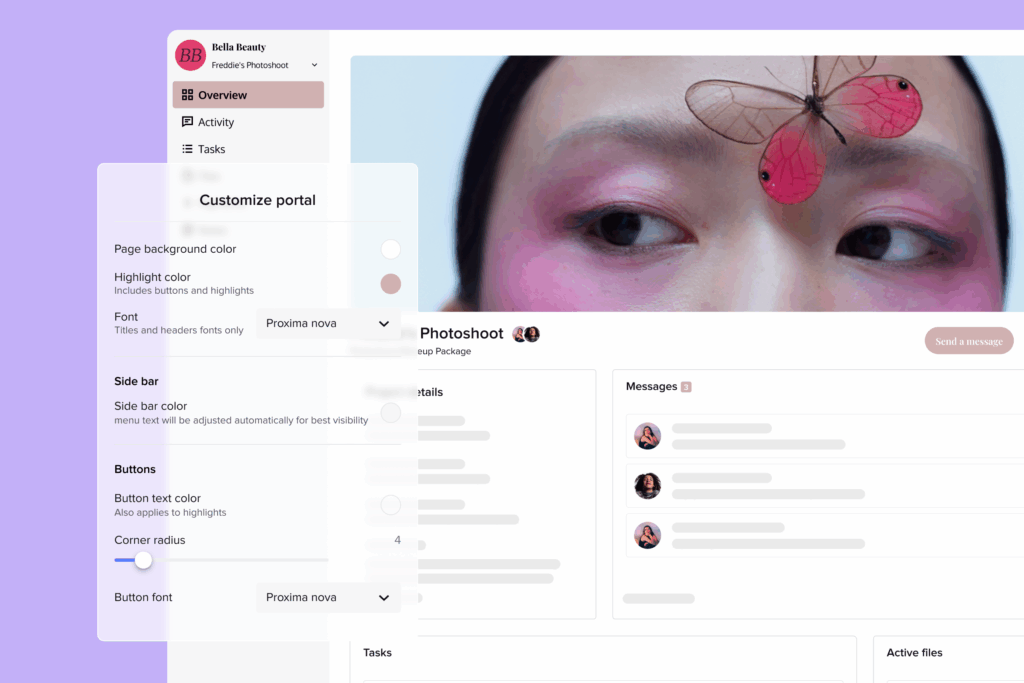
Simplify client communication without losing your human touch. With HoneyBook, you can personalize and centralize every project, file, task, and message on a polished, branded client portal. Bringing all interactions into one place helps you efficiently nurture client relationships and grow your business.
Get started with HoneyBook today.

Keep clients happy
Simplify communication and maintain better relationships by centralizing all client interactions with HoneyBook.
Get started
Hazel Raoult is a freelance marketing writer and works with PRmention. She has 6+ years of experience in writing about small business, entrepreneurship, marketing and all things SaaS. Hazel loves to split her time between writing, editing, and hanging out with her family.