












Ready-to-use copy

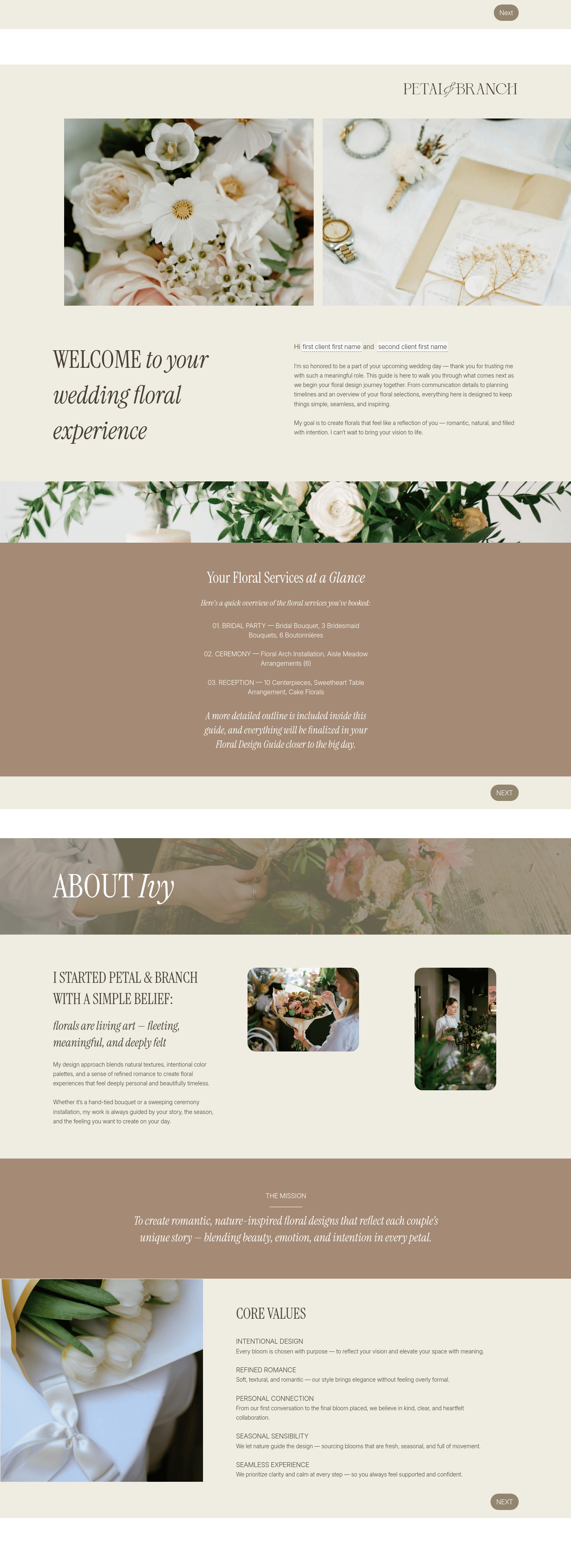
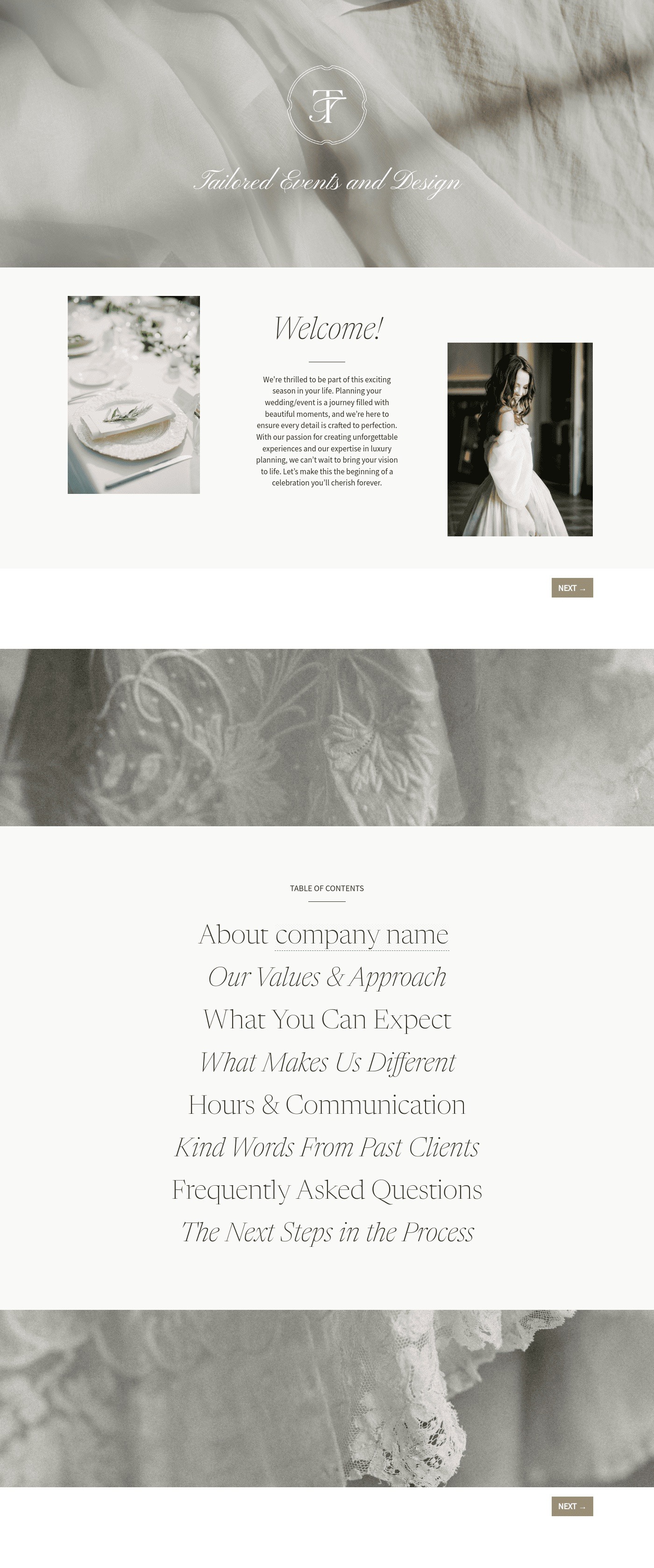
Templates come filled with prewritten copy you can use as is or edit to match your brand and business.

“
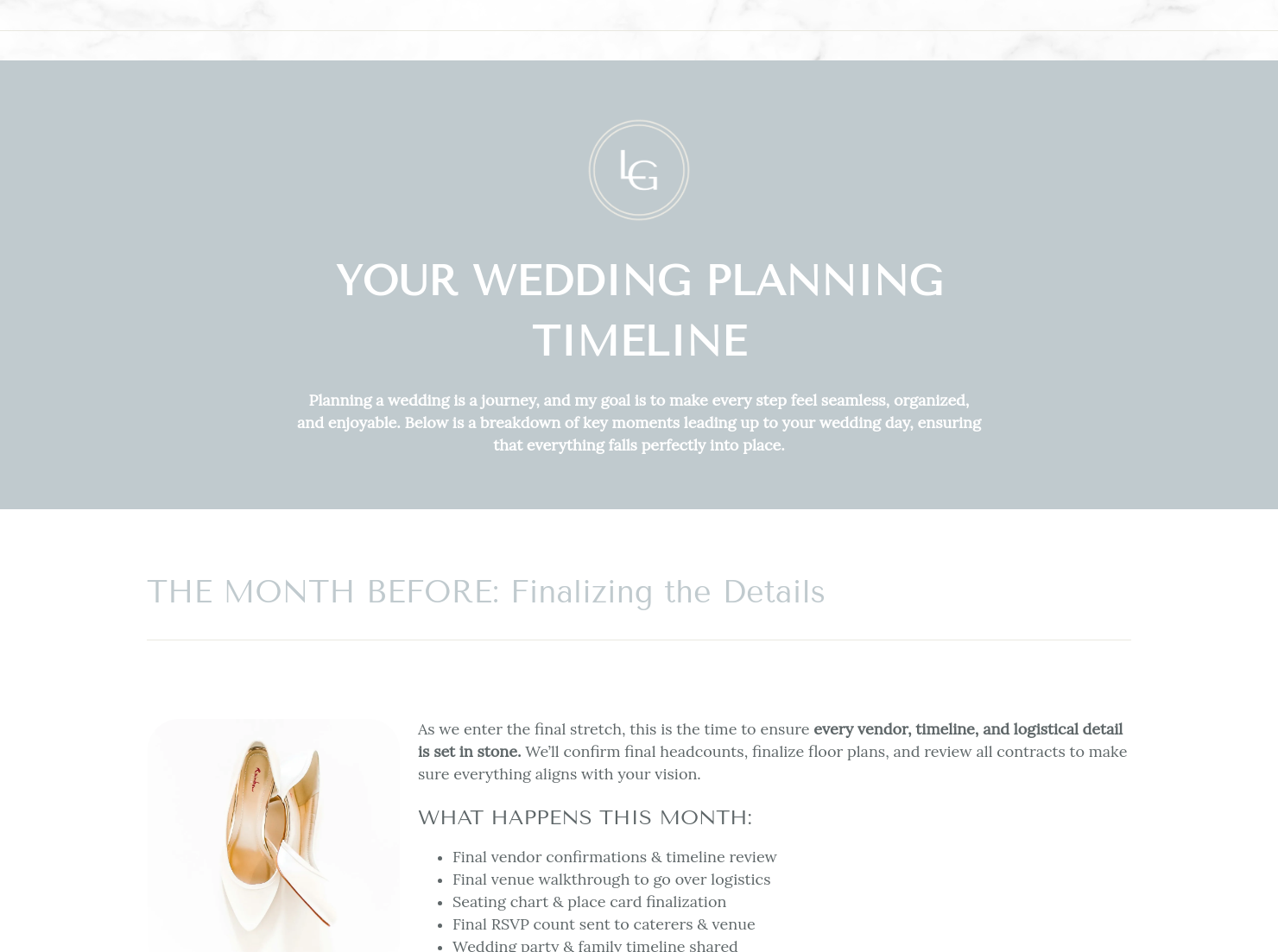
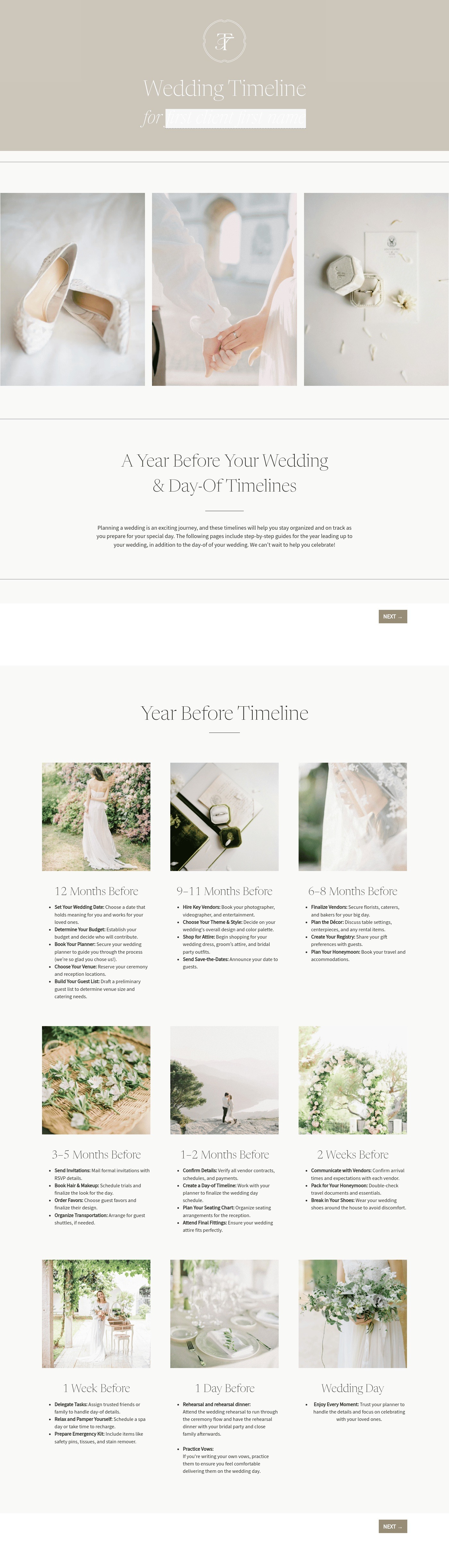
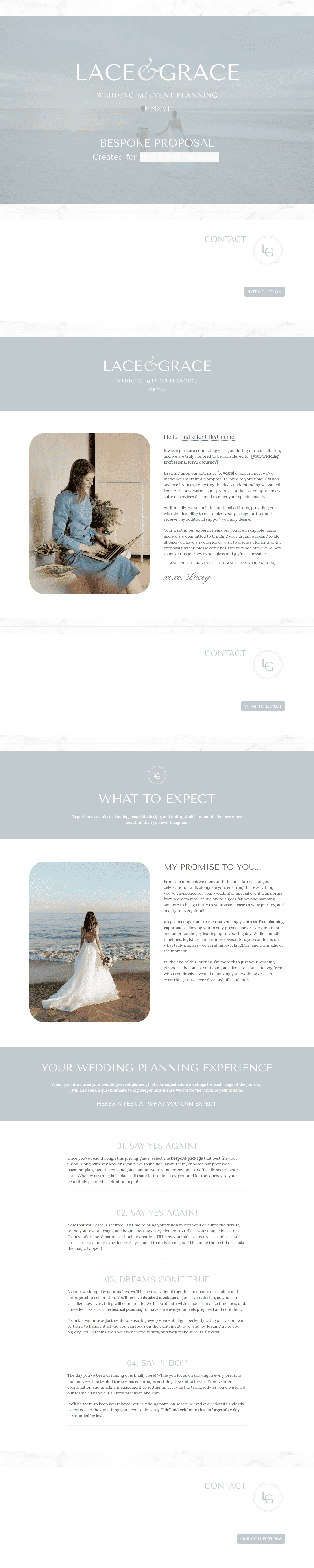
Give your clients peace of mind with this beautifully designed timeline template, featuring a monthly planning breakdown to guide them through the process with ease.
”

October 18, 2026

Best practices for using timeline for wedding and event planners templates
Timelines for wedding & event planning are the backbone of successful events. While checklists identify what needs to be done, the timeline identifies when each task will be accomplished so that the event is executed smoothly. Many planners rely on a checklist for a wedding during the early planning stages. However, without translating that wedding checklist into a structured timeline, tasks can overlap, deadlines can shift, and coordination can suffer. This guide contains an overview of best practices to help wedding and event planners stay organized with timelines from the start of the booking process until the conclusion of the event.
Planning weddings and events often involve a multitude of parties with tight timeframes and high expectations. The use of a timeline by wedding and event planners helps establish clarity through the various moving components of an event.
Unlike a static wedding list check, a timeline:
- Sequences tasks logically
- Assigns responsibility
- Prevents vendor conflicts
- Builds client confidence
While clients may look through a wedding checklist for an understanding of the planning process, they will depend upon the timeline provided from the planner to execute. Vendors rely on it for arrival times, setup windows, and coordination flow.
Using a structured timeline reduces stress, strengthens professionalism, and creates smoother event days.
An effective timeline for a wedding or event planner will structure an entire planning cycle, not just provide a list of tasks.
Pre-event milestones
Vendor confirmations, payment deadlines, venue walkthroughs, and design approvals should be clearly scheduled. These often originate from a wedding checklist but require exact timing.
Vendor coordination blocks
Specify arrival, setup and departure times for each florist, photographer, caterer, musician, rental team member and coordinating team member.
Client approval points
Final seating charts, décor confirmations, and timeline sign-offs should be placed intentionally within the planning calendar.
Day-of schedule flow
A detailed schedule should be created for each ceremony and reception (including transitions, speeches, and breakdowns). The schedule should include adequate buffer time for unforeseen delays.
Post-event wrap-up
The lifecycle of an event is completed through follow-up communication, payment to vendors, and return of rental items. This ensures professionalism and the completion of the event.
An outlined structure will allow for the time frame to go from concept to action.
This template can be used at multiple stages of planning.
- At onboarding: Sharing a structured timeline early demonstrates professionalism and builds trust.
- During vendor booking: As vendors are secured, their timing can be integrated into the schedule.
- In the final planning phase: Reviewing the timeline against the wedding checklist list ensures no detail has been missed.
- On event day: The timeline becomes the operational guide for execution.
Regardless of size of the event, the use of a consistent timeline will lead to increased performance and client satisfaction.
Catering has a lot of moving parts, and the menu sits in the center. If your catering menu is scattered across emails, texts, and screenshots, mistakes show up at the worst time.
A structured menu template helps in practical ways.
- Builds client trust and a professional first impression.
- Speeds approvals by making choices simple.
- Reduces payment disputes by documenting totals and terms.
- Saves time by cutting back and forth.
That means fewer surprises for clients and fewer fire drills for you.
FAQs
Below are quick answers to common questions from caterers building a catering menu that clients can approve with confidence.
A wedding checklist outlines tasks. A timeline assigns those tasks to specific dates and times.
Yes. A checklist for a wedding supports task tracking, while the timeline manages execution.
Yes. It can be adapted for corporate events, social gatherings, and milestone celebrations.
It should capture all major planning tasks. The timeline then translates those tasks into a structured schedule.
Related templates
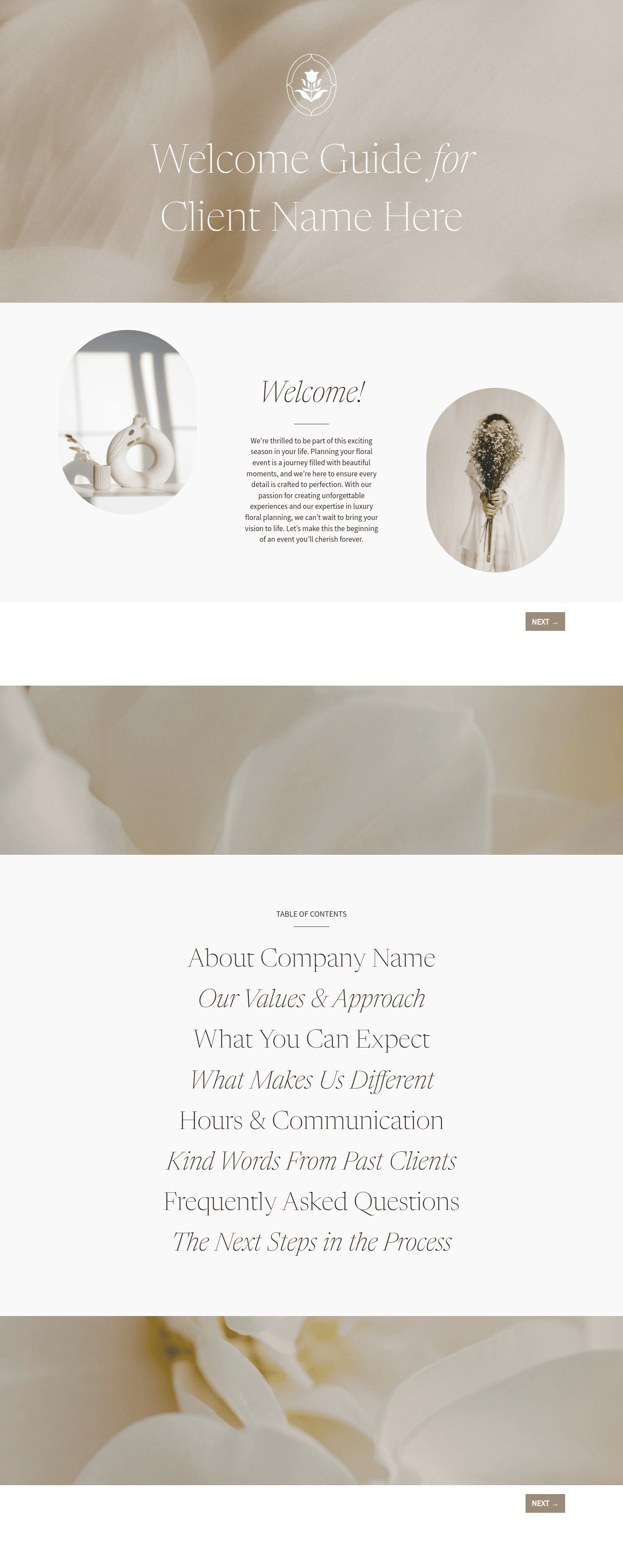

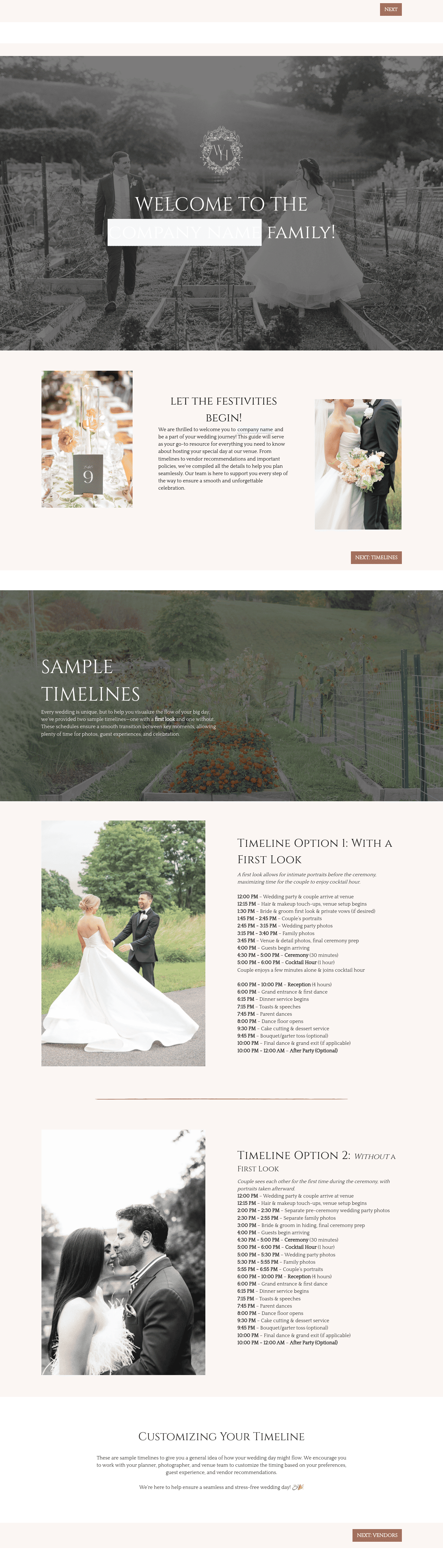


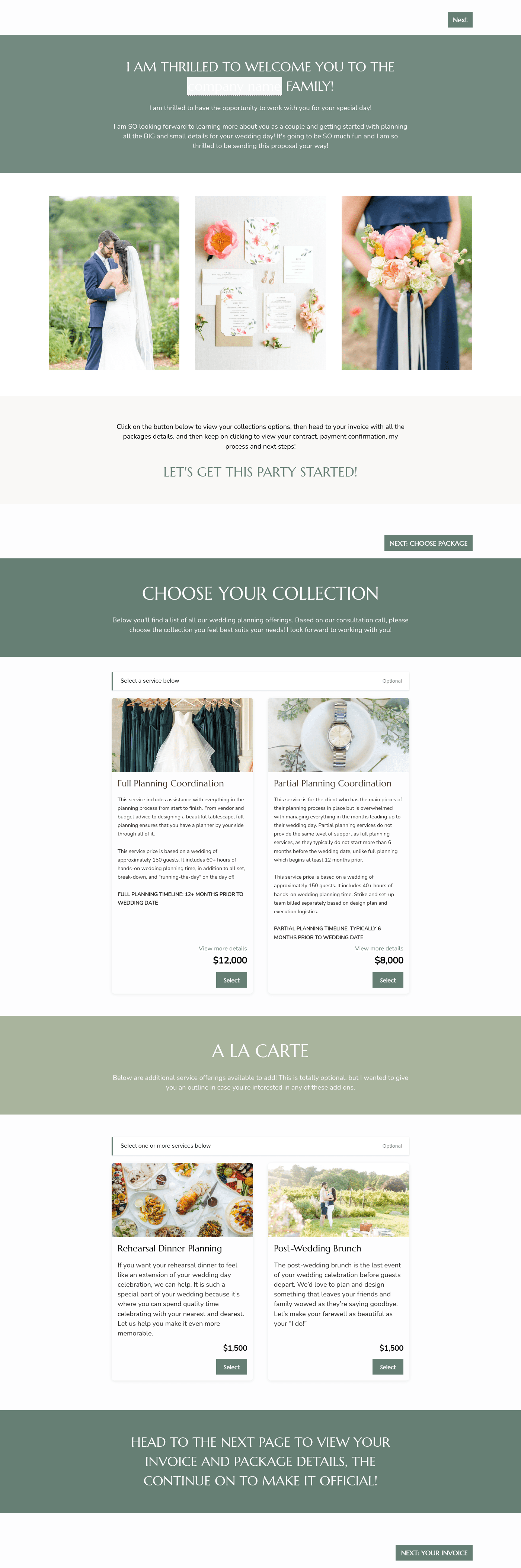

Related Templates

.png)





Make it your own
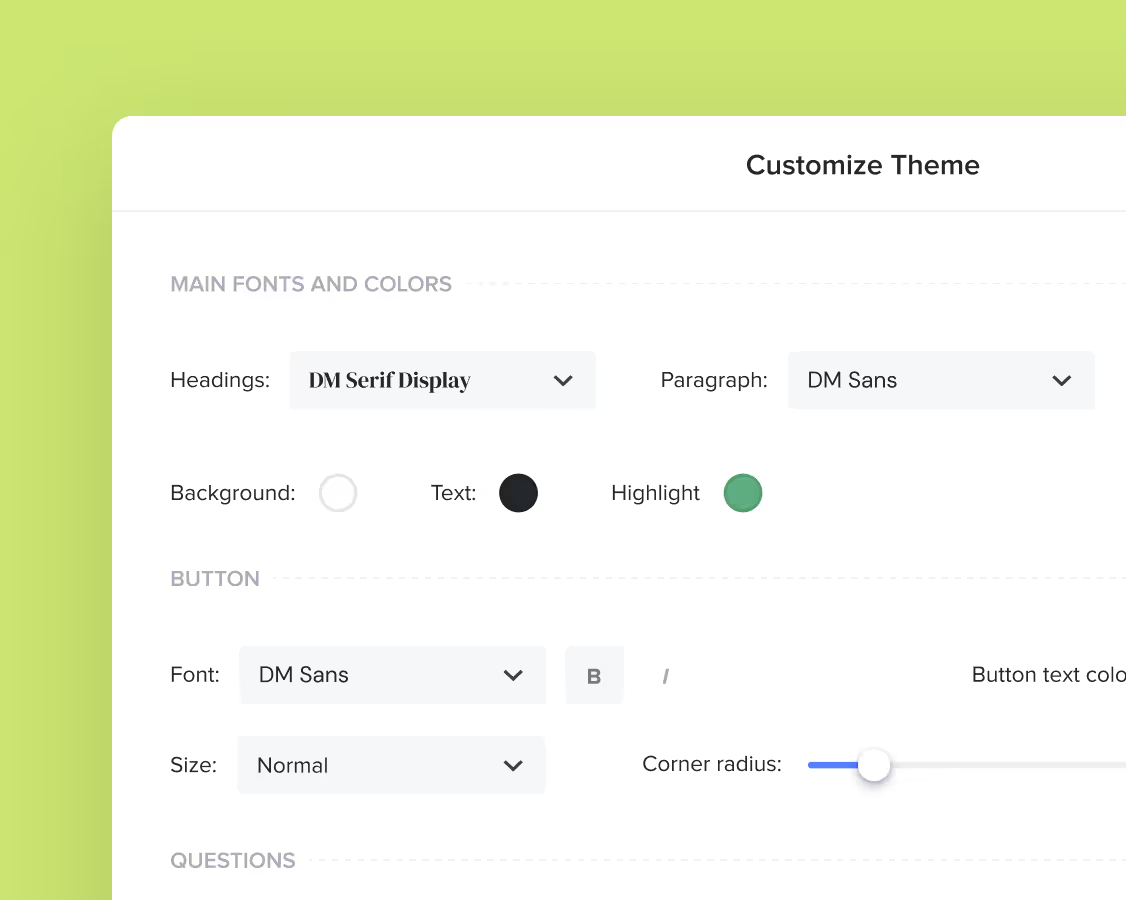
Fully customize the template to fit your needs. Quickly apply your company branding with just a few clicks.
Share with clients
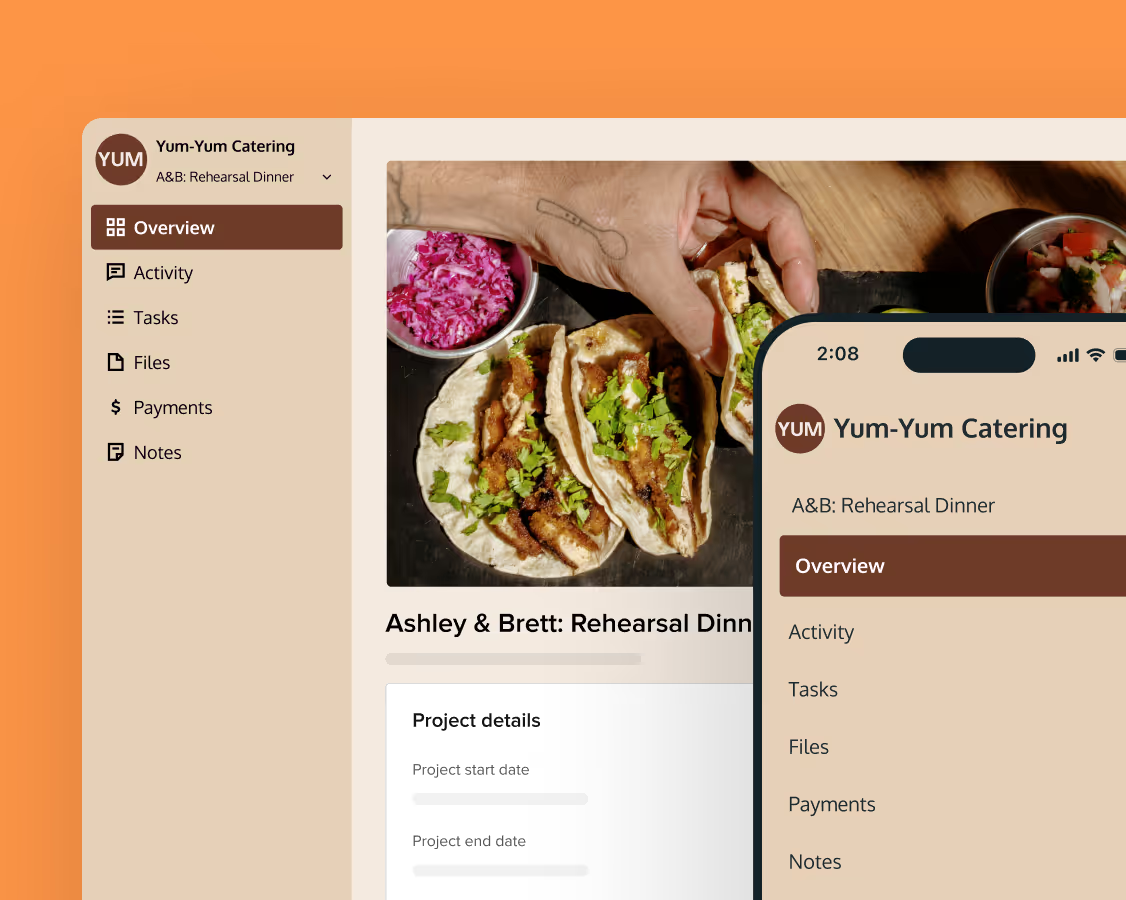
Create exceptional client experiences through HoneyBook’s dedicated client portal, allowing them to read, review, and take action from any device.
Reuse and scale
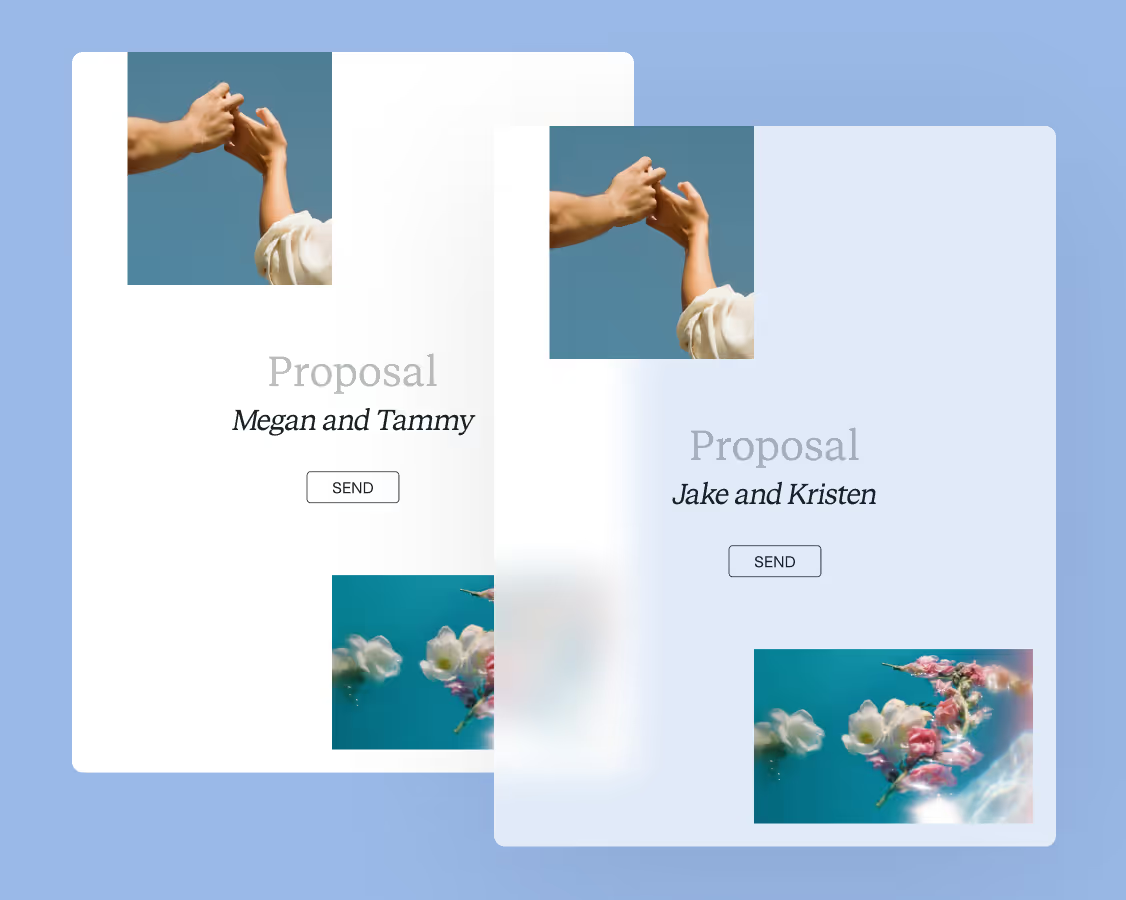
Use your customized files with different clients again and again to save time and make managing client interactions that much easier.
Join the 100,000+ businesses growing with HoneyBook.